

Tehran/Washington: Iran on Wednesday firmly rejected claims by US President Donald Trump that Tehran had requested a ceasefire, as the US-Israel war against Iran entered its fifth week with intensifying military and diplomatic developments.
Karachi Ports See Surge as Pakistan Becomes Regional Shipping Hub Amid Gulf Conflict
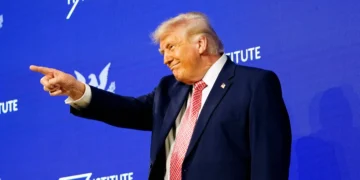
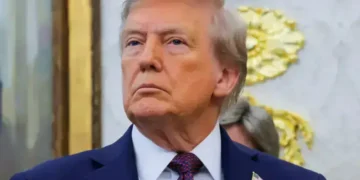
Trump, in a post on Truth Social, claimed that Iran’s “new regime president” had approached the United States seeking a ceasefire, adding that Washington would only consider such a request if the Strait of Hormuz was “open, free and clear.” He warned that US strikes would continue until then.
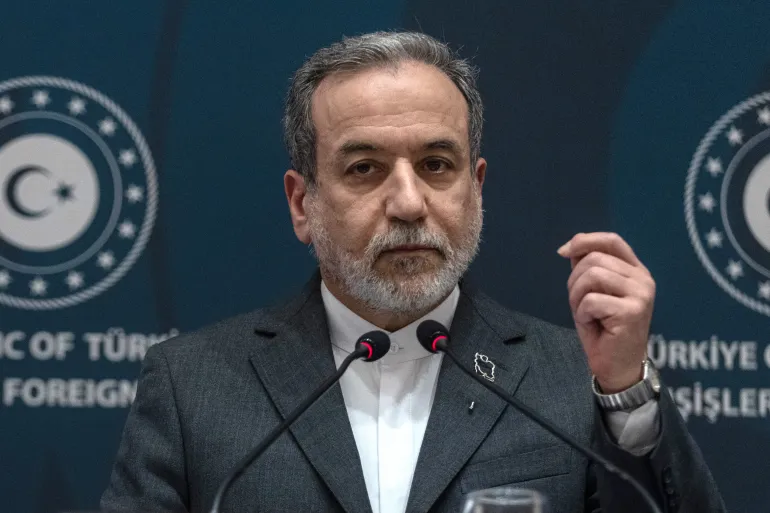
However, Iranian Foreign Minister Abbas Araghchi dismissed the claim, stating that no ceasefire proposal had been made. He also rejected reports of a five-point peace plan attributed to Iran as “media speculation,” asserting that the war would continue until the “aggressor is punished and full compensation is paid.”
Iranian Foreign Ministry spokesman Esmaeil Baqaei echoed the denial, calling Trump’s remarks inconsistent with reality. While Tehran acknowledged receiving messages through mediators, officials emphasized that such exchanges do not constitute negotiations.
Conflicting Signals on Diplomacy
Despite Iran’s stance, US officials indicated that indirect discussions may be underway. Reports suggest Washington is exploring a potential ceasefire tied to reopening the Strait of Hormuz, a critical global energy route. However, it remains unclear whether talks involve direct engagement or intermediaries such as Pakistan.
US Secretary of State Marco Rubio said Washington could “see the finish line” of the conflict, while Trump signaled the possibility of ending military operations within weeks, even without a formal agreement.
UAE, Global Powers Eye Hormuz Security
Amid rising tensions, reports indicate that the United Arab Emirates is considering supporting US-led efforts to reopen the Strait of Hormuz by force, potentially through a UN-backed coalition. The waterway remains a key flashpoint, handling a significant share of global oil and gas shipments.
Intensifying Military Exchanges
Military strikes have continued on multiple fronts. Iranian media reported damage to major steel facilities in Isfahan and southwestern regions following US-Israeli attacks. Meanwhile, Iran has launched missile and drone strikes targeting Israel and Gulf states hosting US military assets.
Additional incidents included attacks on fuel facilities in Kuwait, a fire in Bahrain, and a tanker strike near Qatar. Iranian air defenses were activated in Tehran following overnight airstrikes, while a key passenger terminal in Bandar Abbas was reportedly hit without casualties.
The conflict has also expanded regionally, with Yemen’s Houthi forces claiming joint operations with Iran and Hezbollah, and renewed Israeli strikes in Lebanon causing casualties.
NATO Rift and Strategic Uncertainty
Trump has intensified criticism of NATO, suggesting the US may reconsider its membership over what he described as insufficient support from allies in the Iran conflict. Secretary Rubio indicated that Washington may reassess its relationship with the alliance after the war.
Markets React, War Impact Widens
Global markets showed signs of volatility, with oil prices fluctuating and stock markets reacting to prospects of de-escalation. A Reuters/Ipsos poll indicated that a majority of Americans favor ending US involvement in the conflict quickly, even if strategic goals are unmet.
As diplomatic signals remain mixed and military operations intensify, the path toward de-escalation remains uncertain, with the Strait of Hormuz and broader regional stability at the center of the crisis.