
US-Iran Conflict Enters Fifth Week as Trump Signals Possible Exit, UAE Plans Military Support to Reopen Strait of Hormuz
Web Desk April 1, 2026Washington/Tehran, 1 April 2026 – Iran’s new leadership has reportedly requested a ceasefire, according to US President Donald Trump, who stated that Washington would consider halting operations once the Strait of Hormuz is “open, free and clear.” Until then, he said, US forces will continue strikes against Iranian targets.
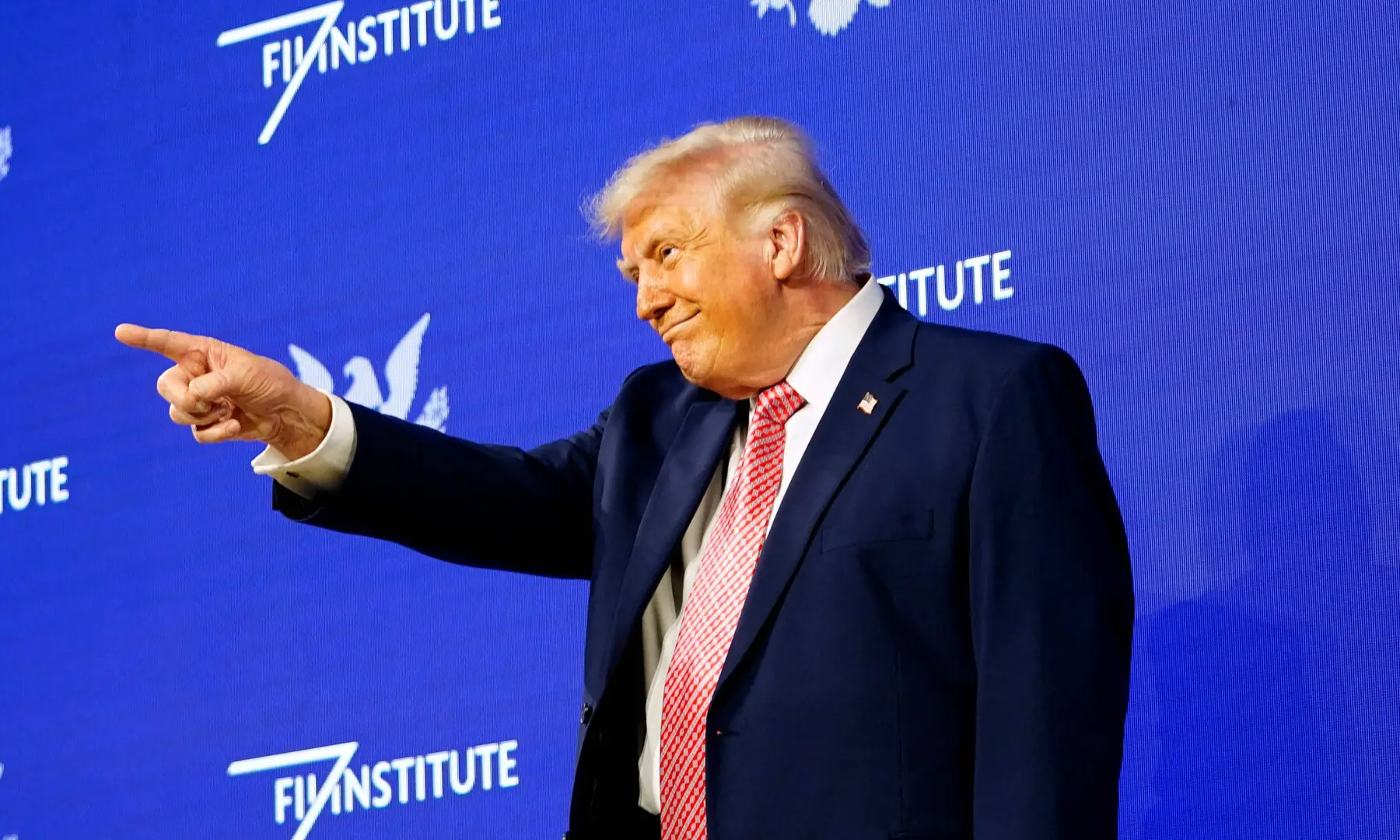
Washington/Tehran, 1 April 2026 – Iran’s new leadership has reportedly requested a ceasefire, according to US President Donald Trump, who stated that Washington would consider halting operations once the Strait of Hormuz is “open, free and clear.” Until then, he said, US forces will continue strikes against Iranian targets.
AKU Surgical Expo 2026 Highlights Cutting-Edge Innovations in Surgical Technology
Speaking to Reuters, Trump indicated that the US could withdraw quickly from Iran but might return for “spot hits” if needed. He also expressed frustration with NATO, criticizing its lack of support in the conflict and hinting at a potential US exit from the alliance.
US-Israeli Strikes and Iranian Retaliation
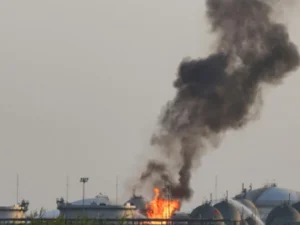
The US and Israel have launched multiple strikes on Iranian industrial targets, including steel complexes in Isfahan and Khuzestan, vital for both civilian and military production. Iran has retaliated with missile and drone attacks across Israel and Gulf states, targeting fuel facilities in Kuwait, Bahrain, and Qatar, as well as striking Tel Aviv and surrounding areas.
The war has also reignited clashes between Israel and Hezbollah in Lebanon. Israeli strikes in Beirut reportedly killed Hezbollah’s Southern Front commander Youssef Ismail Hashem, while Indonesia demanded a UN inquiry into the deaths of three of its peacekeepers.
Iranian authorities emphasized that their stance remains “clear and defensive,” asserting that US and Israeli attacks have breached ongoing diplomatic efforts. Spokesperson Esmaeil Baqaei described the conflict as illegal and based on US ambitions rather than legitimate security concerns.
UAE and International Involvement
The United Arab Emirates is preparing to support US-led efforts to reopen the Strait of Hormuz by force. According to a Wall Street Journal report, the UAE is lobbying for a UN Security Council resolution to authorize military action and is reviewing direct military roles, including mine-clearing operations, as part of a coalition with the US and other powers.
US Messaging and Diplomatic Signals
While the White House maintains that messages are being exchanged with Tehran, Iranian Foreign Minister Abbas Araqchi clarified that these do not constitute negotiations. US Secretary of State Marco Rubio suggested the “finish line” of the war is visible, and a direct meeting between Washington and Tehran could occur at some point.
Trump indicated the US could end military operations within two to three weeks even without a formal deal, signaling a potential winding down of “Operation Epic Fury.”
Economic and Global Impacts
The ongoing conflict has disrupted oil markets and heightened global economic uncertainty. Nevertheless, stock markets rallied on hopes of de-escalation following Trump’s latest statements, with the MSCI Asia-Pacific index up 2.7% and Wall Street’s S&P 500 climbing 2.9%.
Casualties and Humanitarian Concerns
Thousands have been killed or displaced since the war began on 28 February, with missile strikes in Israel and Lebanon causing civilian deaths and injuries. Iranian citizens abroad, particularly in Dubai, are returning home via Afghanistan and Armenia due to suspended direct flights.
Regional Alliances and Tensions
The war has deepened regional alliances, with Iran coordinating attacks with Yemen’s Houthis and backing Hezbollah in Lebanon. US officials are reconsidering NATO relations, citing lack of support from European allies in the conflict.
The fifth week of the US-Israeli war against Iran continues with ongoing strikes, diplomatic messaging, and preparations for potential coalition operations to reopen the Strait of Hormuz. Both sides signal readiness for further action, while the international community monitors the escalating humanitarian and economic consequences.