
ICMA Urges Pakistan to Turn EV Transition into Opportunity for Local Industry and Jobs
Economic analysis warns that electric vehicle subsidies alone will not build a domestic industry without investment in manufacturing, batteries and local supply chains
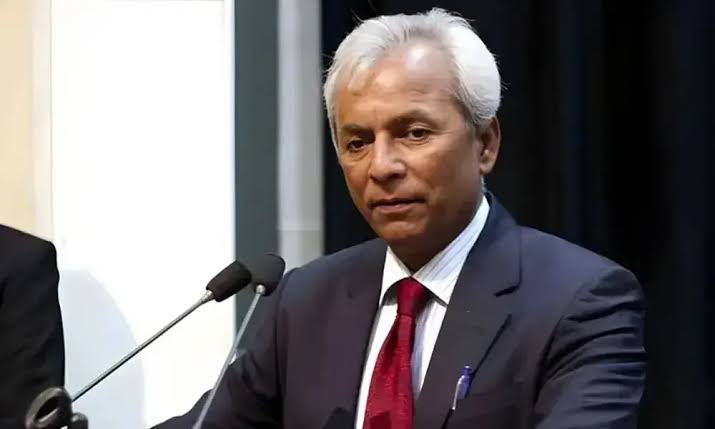
ICMA calls for Pakistan's EV transition to support local manufacturing, investment and employment.
Pakistan must look beyond subsidising electric vehicle (EV) purchases and focus on building a domestic EV industry. Otherwise, the country risks replacing its dependence on imported petroleum with reliance on imported vehicles, batteries and related technologies.
The warning comes from the Institute of Cost and Management Accountants of Pakistan (ICMA) in its latest Economic Signal analysis, titled “Can PAVE Shift Pakistan from EV Adoption to EV Industry?”
The report argues that Pakistan’s electric mobility transition could create jobs, attract investment and strengthen local manufacturing. However, this will require a clear industrial strategy alongside efforts to increase EV adoption.
Fuel Price Volatility Highlights Need for Alternatives
Unstable fuel prices highlight Pakistan’s exposure to international petroleum markets. Petrol prices rose from Rs266.17 per litre on March 1, 2026, to a peak of Rs458.41 in early April.
Prices later fluctuated before falling to Rs319 per litre on November 24. Despite this decline, petrol remained approximately 19.85% more expensive than at the start of March.
This volatility reflects the pressure of petroleum imports and foreign exchange costs. It also strengthens the case for developing alternative transport technologies.
PAVE Targets Wider Electric Vehicle Adoption
Under the New Energy Vehicle (NEV) Policy 2025–30, the Pakistan Accelerated Vehicle Electrification (PAVE) programme aims to promote electric mobility.
Actress Hina Khan Appointed General Secretary Lahore of Syed Noor Film Federation
The initiative uses subsidies, financing and vehicle distribution to make EVs more affordable.
Its first two phases envisage distributing approximately 116,000 electric bikes. They also target 3,170 electric rickshaws and loaders.
However, ICMA’s analysis highlights challenges in converting applications into financing approvals and vehicle deliveries.
Financing and Delivery Remain Key Challenges
By May 2026, banks had received 44,689 applications forwarded under the programme’s initial phase. However, only 9,889 applications, or about 22.1%, had been processed.
Banks approved just 4,075 cases. This represented approximately 9.1% of total applications.
Meanwhile, 34,800 applications, or nearly 78%, remained unprocessed. Financing at that stage stood at Rs143 million. Authorities also reported the distribution of 5,409 vehicles.
Subsequent reforms improved the financing approval process.
Government figures reported on October 28, 2026, showed that banks had approved 21,918 applications. These approvals involved financing of approximately Rs3.06 billion.
However, actual disbursements and deliveries remained lower. Banks had disbursed Rs1.093 billion through 5,506 loans. Customers had received 3,263 vehicles.
ICMA says these figures highlight the need for faster processing, timely disbursement and efficient vehicle delivery. Without these improvements, policy targets may not translate into practical results.
Local Manufacturing Could Create Jobs and Investment
ICMA identifies domestic industrial development as the bigger opportunity behind Pakistan’s EV transition.
Growing demand for electric vehicles could support local assembly and manufacturing. It could also encourage investment in battery-related industries and vehicle components.
Other potential areas include charging equipment, maintenance services and battery recycling. The sector could also create demand for engineering expertise and technical skills.
Developing these capabilities would help Pakistan build stronger local supply chains. It could also create employment and reduce reliance on imported products.
ICMA Calls for an Industrial Strategy
The analysis stresses that PAVE should serve as more than a vehicle subsidy programme. It should connect energy security and affordable transport with industrial competitiveness.
The key challenge is to ensure that rising EV demand supports domestic production. It must also encourage productive investment, employment and technological development.
According to ICMA, Pakistan’s next major opportunity lies not simply in putting electric vehicles on its roads. It lies in building an industry around them.