Google Play and Epic Sports: Google to Allow Rival Android App Stores in U.S. After Epic Games Lawsuit
Google will begin supporting third-party Android app stores through Google Play in the United States on July 22 following a landmark antitrust ruling.
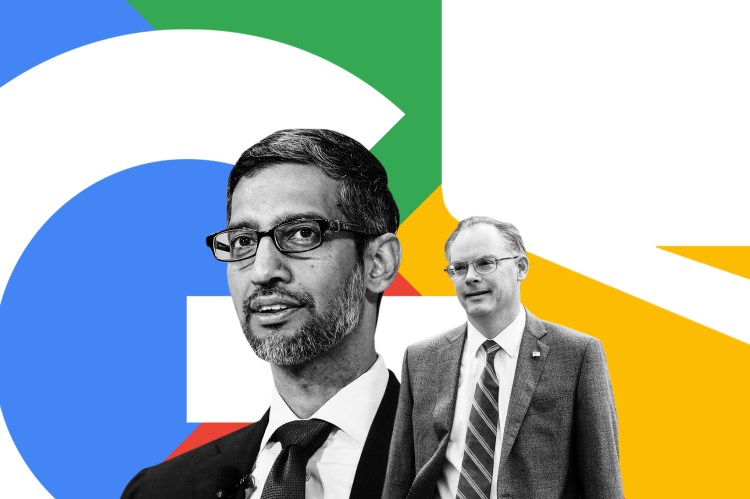
Google Play Store logo displayed as Android app store rules change in the United States.
Google Play and Epic sports will begin allowing rival Android app stores in the United States from July 22 after Google and Epic Games withdrew their joint request to modify a court order in their landmark antitrust case.
The decision means Google will comply with the permanent injunction issued by U.S. District Judge James Donato, who ruled that Google must allow competing Android app stores to distribute their platforms through Google Play as part of measures designed to address the company’s illegal monopoly in the Android app market.
Google confirmed it is ready to implement the court-ordered changes next week. The company and Epic Games jointly withdrew their motion to revise the injunction, ending another phase of their long-running legal battle.
IBM Shares: Stock Plunges 25% as AI Infrastructure Spending Hits Software Demand
Judge Donato originally issued the injunction in October 2024. The order requires Google to allow third-party Android app stores on Google Play and provide access to its Play app catalog for eligible competitors. Google had previously challenged those remedies and proposed an alternative system that required users to sideload competing app stores.
In a statement, Google said it chose to withdraw its request to avoid prolonging legal uncertainty. The company said the move will allow it to focus on expanding app store choice, lowering costs, and creating more opportunities for developers and users while maintaining Android’s security standards.
Google also announced that U.S. developers will automatically make their apps and games available to approved third-party app stores through the Play Catalog Access Program unless they choose to opt out.
Outside the United States, Google plans to introduce a separate Registered App Store program with a future Android release. Under that model, users will install competing app stores through sideloading rather than downloading them directly from Google Play.
Third-party app stores seeking access to Google’s Play catalog must pay an annual $5,000 fee for security and policy reviews. They must also meet several eligibility requirements, including operating only within the United States, accepting all qualified developers, maintaining transparent safety policies, and keeping malware installation attempts below 1%.
The ruling could reshape Android’s app ecosystem by increasing competition and reducing Google’s control over app distribution and payment systems. Industry observers also believe the changes could encourage companies such as Microsoft, Epic Games, and other developers to launch their own Android app stores in the U.S.