African World Cup Support Shifts as Politics Reshapes Pan-African Football Solidarity
African football fans are increasingly linking World Cup support to politics, migration policies, and government actions, reshaping traditional pan-African solidarity.
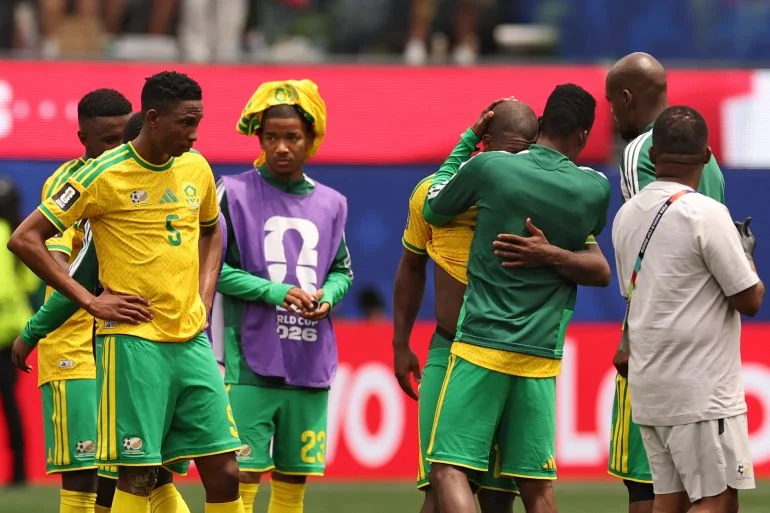
African football fans show changing support during the FIFA World Cup.
The 2026 FIFA World Cup has highlighted a major shift in how African football fans support national teams, with political issues increasingly influencing public sentiment instead of traditional pan-African unity.
For decades, African supporters rallied behind any team representing the continent during major international tournaments. Historic campaigns by Cameroon in 1990, Senegal in 2002, Ghana in 2010, and Morocco in 2022 united fans across Africa despite national differences.
However, the expanded 2026 World Cup has exposed growing divisions. While nine of the ten African teams reached the knockout stage, support has become increasingly tied to each country’s domestic and foreign policies.
Workplace Harassment: 521 Men Filed Complaints in One Year
South Africa faced criticism from many African fans over concerns about anti-immigrant policies and xenophobic violence. Before South Africa’s June 18 match against Czechia, captain Ronwen Williams appealed for football to remain separate from politics, urging supporters to “enjoy and have a wonderful time” while leaving politics to political leaders.
Despite the appeal, many supporters continued linking South Africa’s football team to the country’s treatment of African migrants. Critics pointed to recent deportations of Nigerian nationals and argued that the country’s anti-immigrant policies conflicted with its historic role in the anti-apartheid movement.
Morocco also experienced mixed reactions. The Atlas Lions earned widespread admiration after becoming the first African nation to reach a FIFA World Cup semifinal in 2022. Their strong support for Palestine and emphasis on African identity further strengthened continental backing.
However, disputes surrounding Western Sahara, allegations of anti-Black racism against sub-Saharan Africans, and controversy over the African Cup of Nations title have complicated Morocco’s relationship with some African supporters.
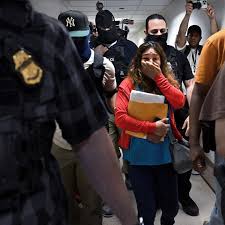
The tournament also highlighted broader political challenges affecting African football. Somali referee Omar Artan reportedly faced deportation from the United States after arriving to officiate World Cup matches, drawing widespread criticism and solidarity across Africa. Visa difficulties for supporters from countries including Senegal and Ivory Coast further fueled frustration on social media.
iPhone 18 Pro: New Leaks Reveal Camera and Modem Upgrades
African football associations also united against comments by European football chief Aleksander ?eferin, who questioned the expanded tournament format. African teams responded with strong performances, producing the continent’s best-ever group-stage campaign.
Observers say a new form of pan-African solidarity is emerging. Instead of offering unconditional support based solely on geography, many fans now judge teams through issues such as migration, governance, diplomacy, and human rights.
While African unity remains strong, supporters increasingly expect governments to uphold values they believe reflect continental solidarity. Football has therefore become not only a sporting competition but also a platform through which citizens evaluate political leadership and national policies.