Over 70% of Karachi Buildings Fail Fire Safety Inspections, Conference Told
Around 160 fires reported in two weeks as experts call for stricter building code enforcement, compulsory fire safety education and improved emergency preparedness.
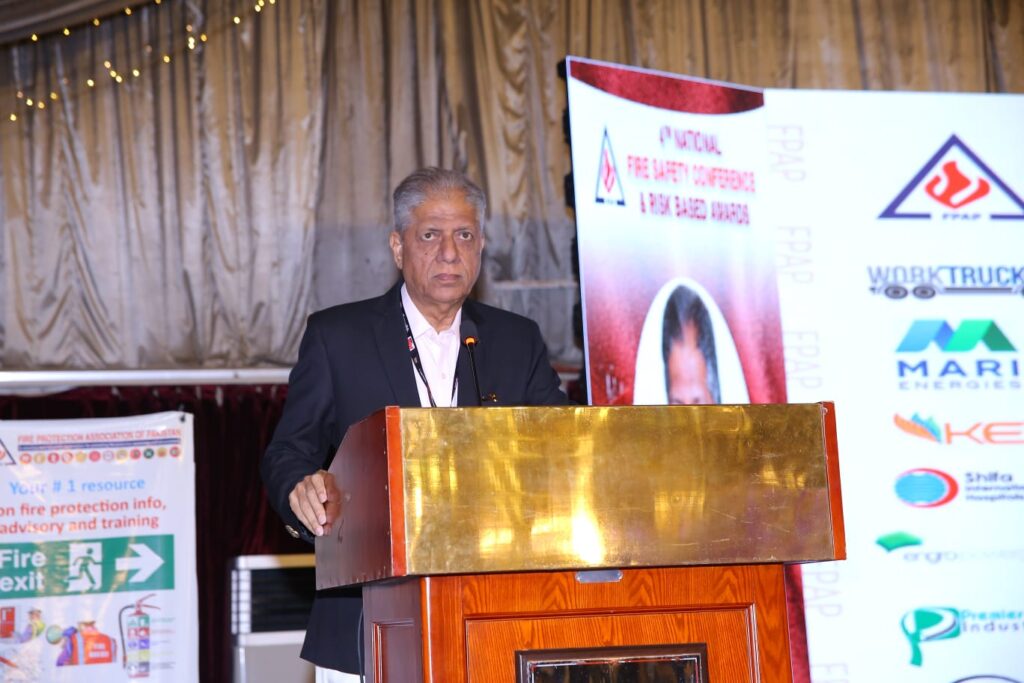
Fire Safety concerns raised as over 70% of inspected Karachi buildings fail checks.
More than 70 per cent of nearly 1,900 buildings inspected for fire safety since January have failed to meet required standards, raising concerns about public safety in Karachi. The city has also reported approximately 160 fire incidents over the past two weeks.
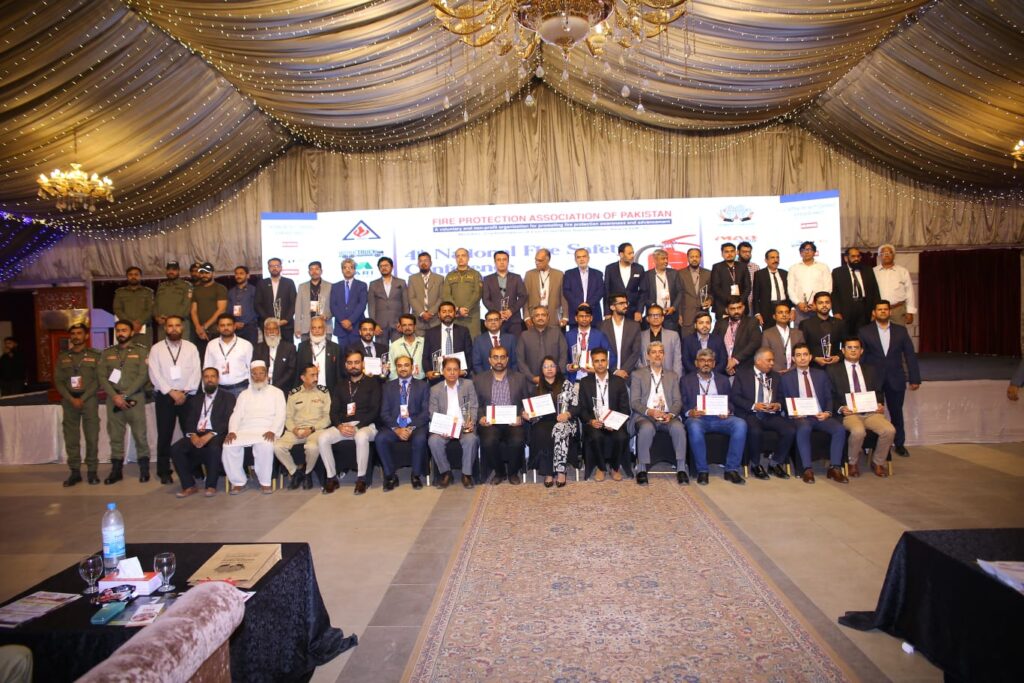
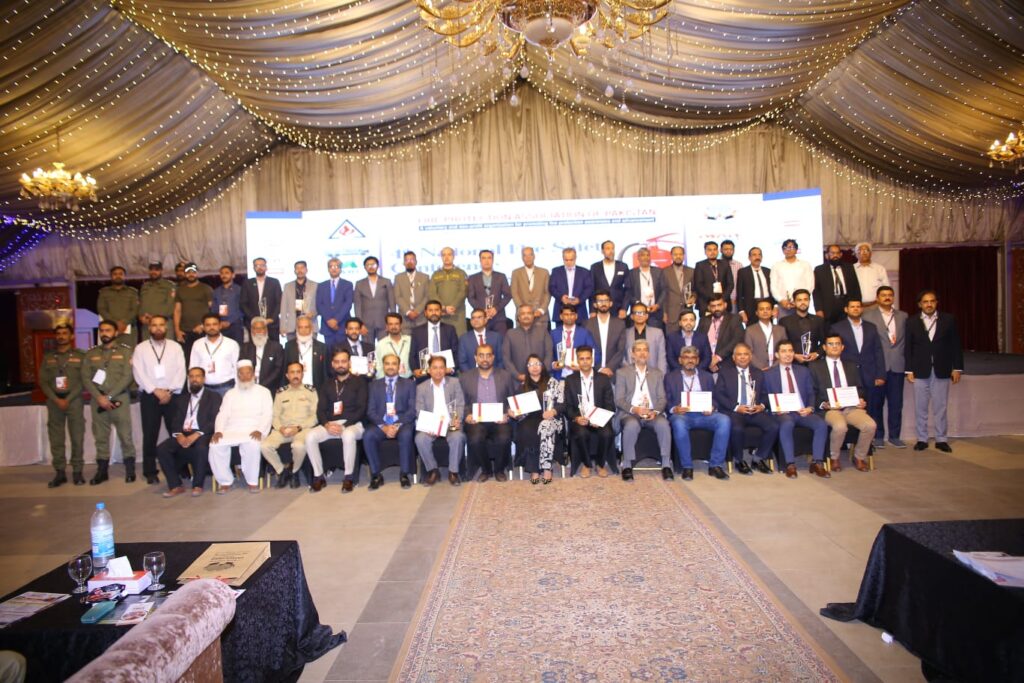
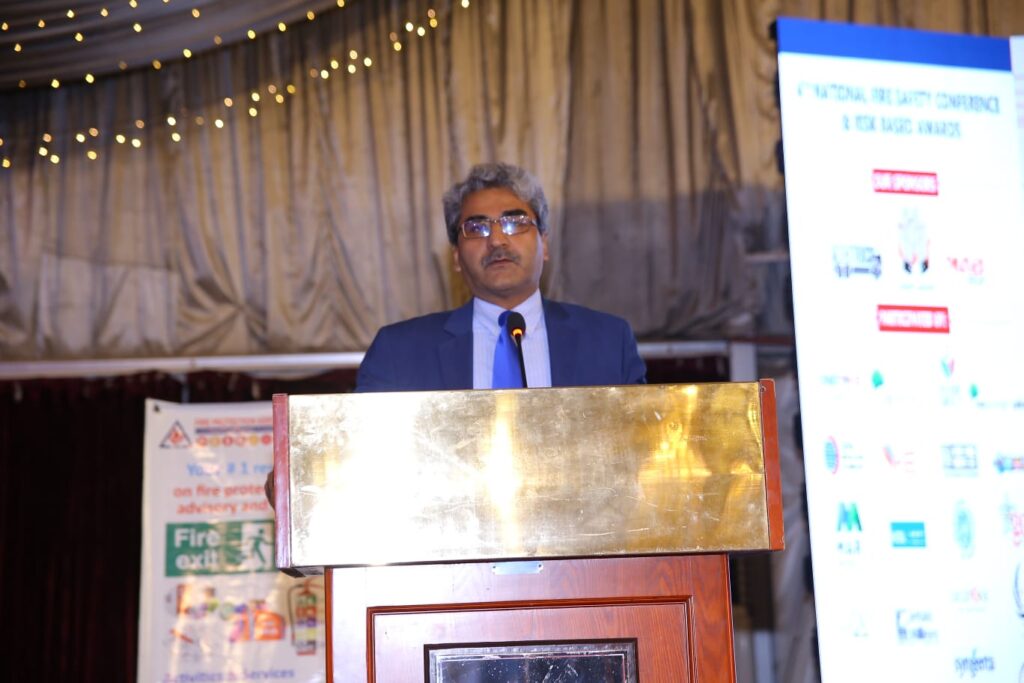
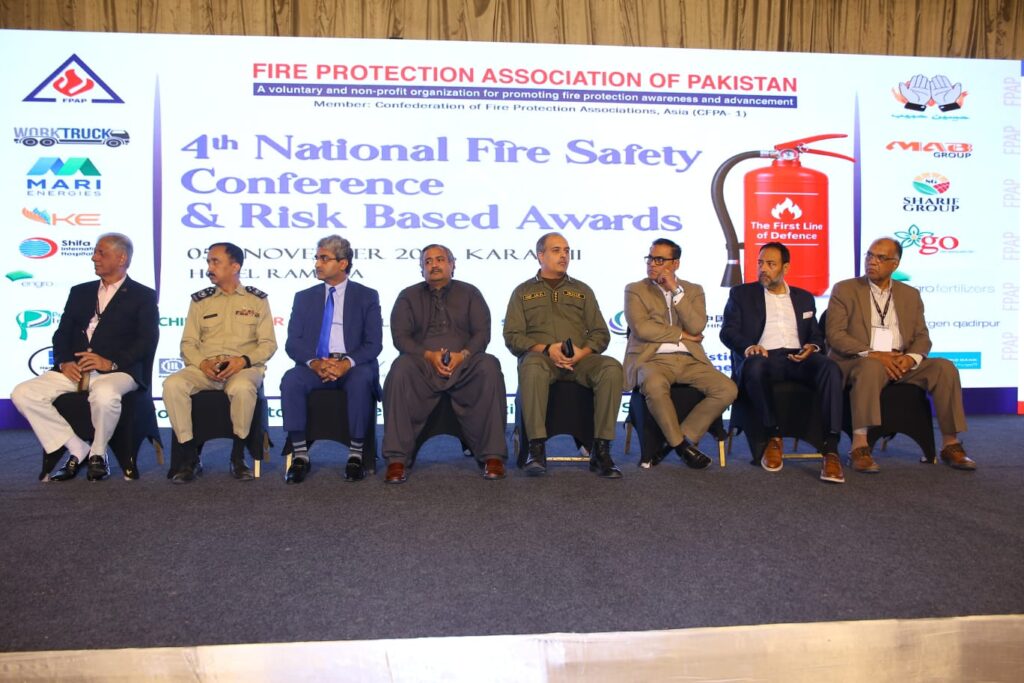
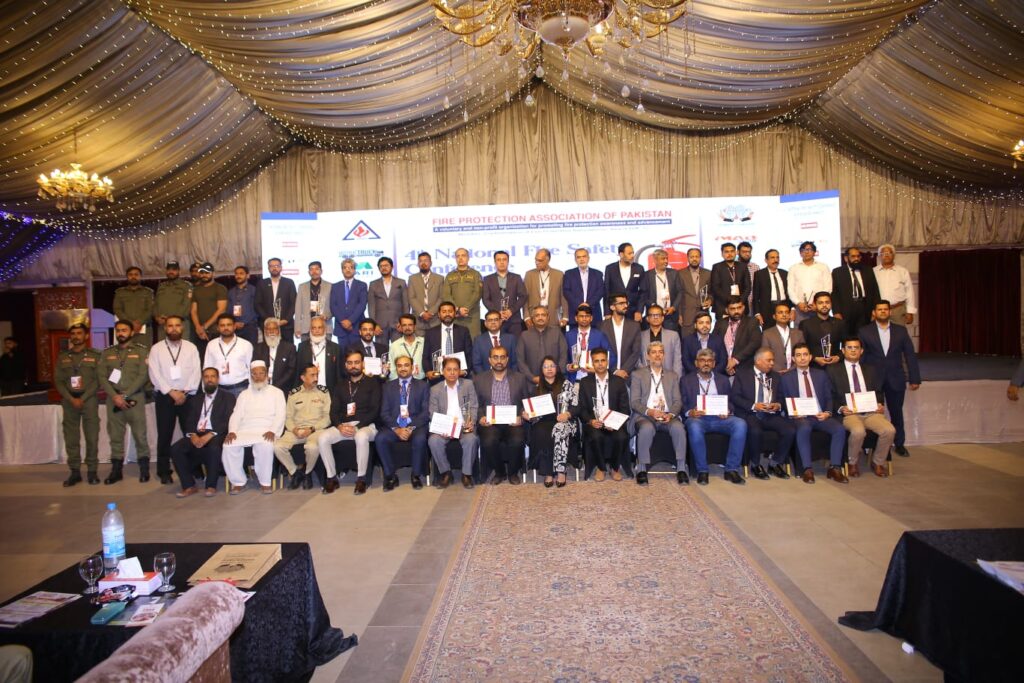
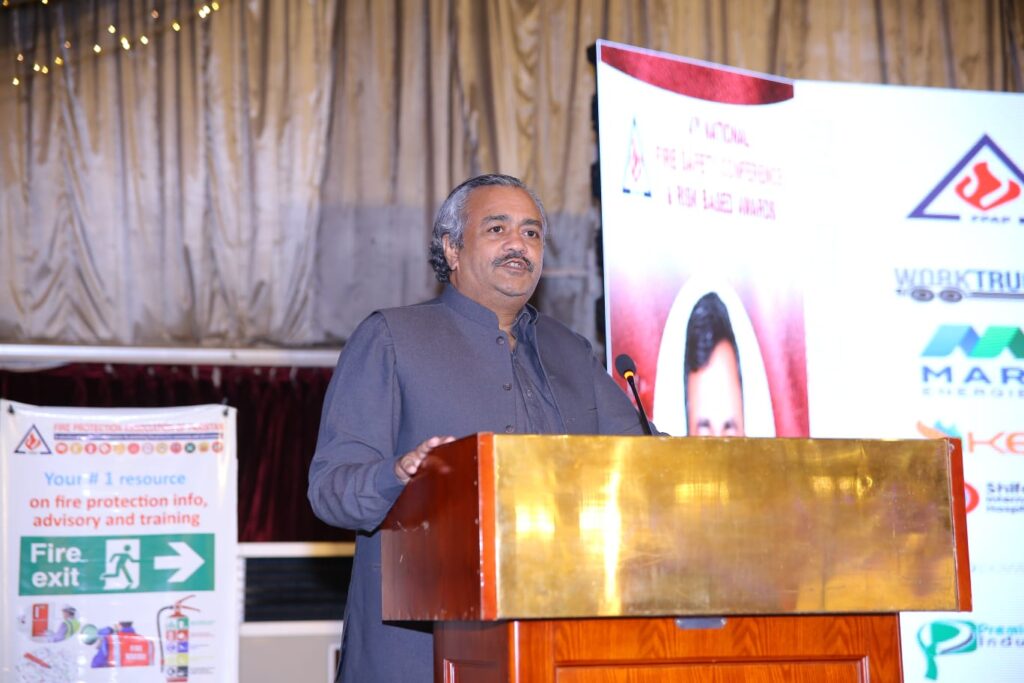
Experts disclosed these figures at the fourth National Fire Safety Conference and Risk-Based Awards 2026, organised by the Fire Protection Association of Pakistan (FPAP) on Thursday.
Participants called for urgent improvements in building safety regulations, public awareness, emergency response and institutional coordination.
More Than 70% of Inspected Buildings Found Deficient
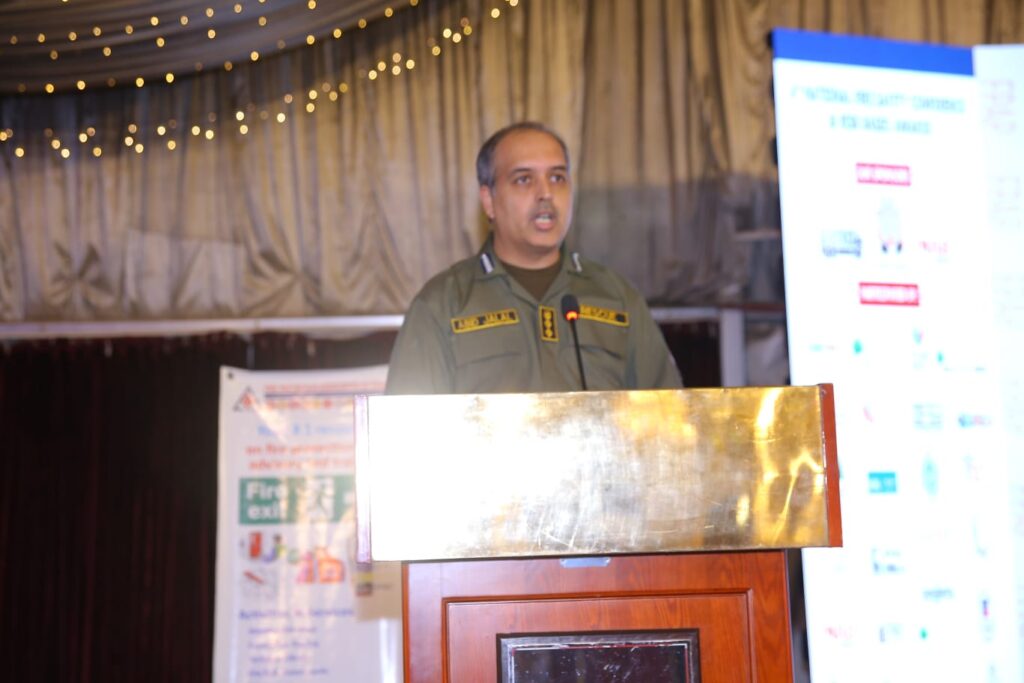
Rescue 1122 Chief Operating Officer Abid Jalal said authorities had conducted fire safety audits of approximately 1,900 buildings since January. More than 70 per cent failed to meet the required standards.
He called for an update to the 2016 building code and proposed establishing a dedicated technical body to oversee fire safety standards, inspections and compliance.
Partnerships Across Maritime Regions AMAN Promotes Cooperation and Peace at Sea
“Despite several serious and devastating fire incidents, the implementation of building codes remains a major challenge. We must sit together and work collectively to ensure their effective enforcement,” he said.
Chief Fire Officer Humayun Khan said Karachi had experienced around 160 fires in just two weeks. He added that emergency responders faced difficulties because of encroachments, narrow roads and delayed reports.
Referring to the Gul Plaza fire, Khan said the Central Fire Station received information nearly 26 minutes after the blaze began. Videos of the early stages had already circulated on social media.
He expressed concern that people sometimes recorded fires for social media instead of immediately contacting emergency services.
Khan said Karachi’s fire stations had increased from 22 to 28. The department currently had eight snorkels and 52 water bowzers. He also called for practical firefighting and evacuation training in schools, colleges and universities.
FPAP Calls for Prevention and Public Awareness
FPAP President Kanwar Waseem said fire safety must focus on prevention rather than relying solely on firefighting and rescue operations.
He stressed the importance of public awareness, professional training, technical expertise and institutional accountability. He urged government departments, educational institutions, media organisations and businesses to work together to develop a culture of prevention.
Waseem said FPAP had introduced fire safety certification courses recognised by NED University. The association had also contributed to the development of the 2016 building codes.
He emphasised that buildings must have functional fire alarms, sprinklers, extinguishers and accessible emergency exits. Furthermore, employees and occupants need practical safety training to respond effectively during emergencies.
Business Community Raises Concerns Over Firefighting Infrastructure
Former Karachi Chamber of Commerce and Industry president Javed Bilwani criticised the lack of adequate firefighting infrastructure in Pakistan’s largest commercial centre.
He claimed Karachi contributed approximately 54 per cent of national exports and 67 per cent of tax revenues. However, he said industrial estates and commercial markets, including McLeod Road, lacked essential fire hydrants.
Bilwani recalled that authorities had installed hydrants at Habib Bank Plaza during its construction. He questioned why similar facilities were not widely available across the city.
Experts Highlight Gaps in Disaster Management
Former Provincial Disaster Management Authority (PDMA) Director of Operations Imdad Siddiqui identified weak policy implementation and poor coordination among institutions as major challenges in disaster management.
Recounting a fire incident in a Dadu village in April 2022, he described how a mother had locked her children inside a room in an attempt to protect them. The fire engulfed the room, killing the children.
Siddiqui said the grieving parents refused compensation cheques, demonstrating that financial assistance could never replace lives lost in preventable incidents.
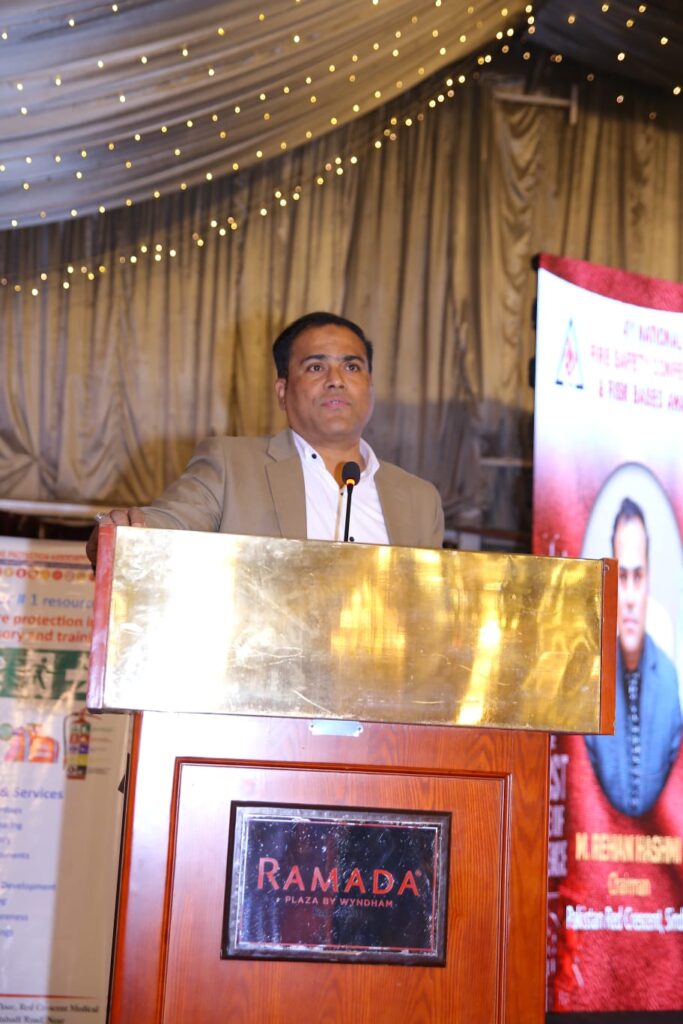
Meanwhile, Fawad Bari, Chief Executive Officer of Hussain Habib, called for teaching children basic emergency response skills.
He said students should learn how to escape burning buildings and respond if their clothes catch fire. Bari also warned against using water on burning cooking oil or electrical fires.
He stressed the importance of appropriate fire extinguishers and disconnecting electricity when it is safe to do so.
Conference Calls for Stronger Safety Regulations
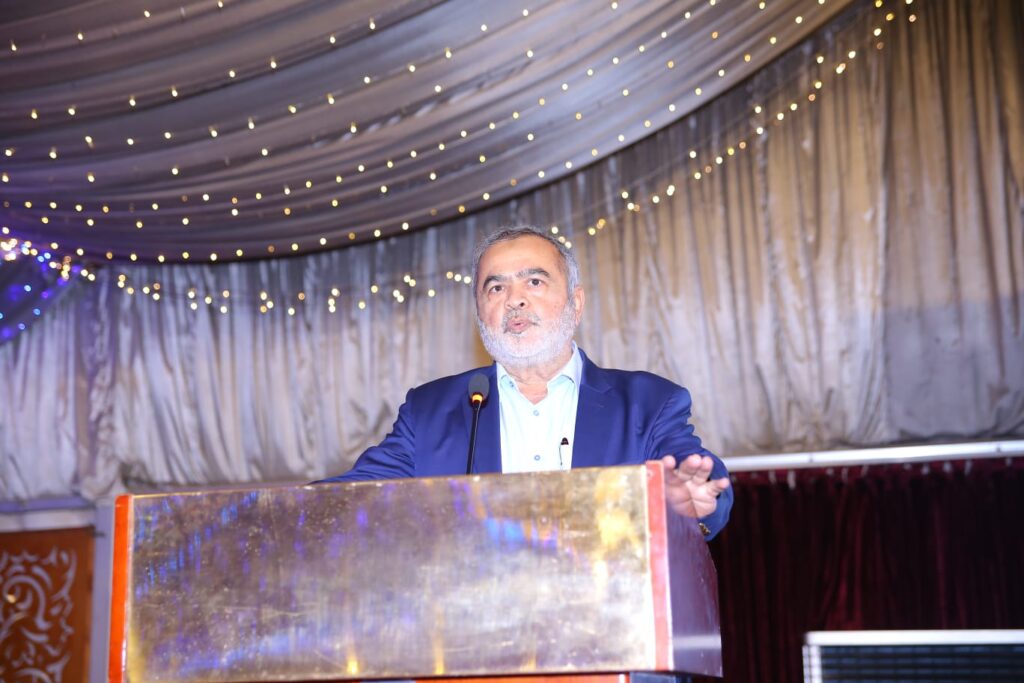
The conference was attended by PDMA Sindh Director General Salman Shah, Pakistan Red Crescent Chairman Rehan Hashmi and international experts participating online.
Discussions also covered lessons from the Gul Plaza and PIMS fire tragedies.
Speakers called on authorities to make fire safety education compulsory, strengthen building inspections and conduct regular evacuation drills. They also urged officials to hold building owners accountable for compliance with safety regulations.
Participants warned that preventable fires would continue to threaten lives and property unless authorities enforced building codes and strengthened emergency preparedness across Karachi.