Pakistan, IMF Talks Stall Over Fuel Subsidy and Rs1.4tr Gas Receivables
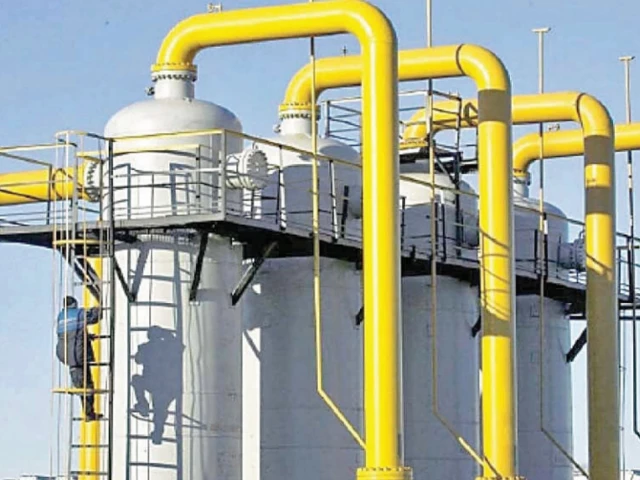
Pakistan and IMF officials continue talks over fuel subsidies and gas-sector debt.
Talks between Pakistan and the International Monetary Fund (IMF) have stalled over fuel compensation and a proposed write-off of about Rs1.4 trillion in gas-sector receivables, according to officials familiar with the discussions.
The IMF has pressed Pakistan to avoid broad fuel subsidies. It wants the government to provide support only through targeted mechanisms.
The two sides also remain divided over plans to write off receivables owed to gas distribution companies. The dispute could affect the wider gas distribution and exploration sector.
Officials said the government does not plan to end the fuel compensation scheme for motorcyclists and small-car owners before its three-month period expires. However, they said an extension beyond three months could prove difficult.
IMF Questions Fuel Compensation Cost
The IMF believes the actual cost of the fuel compensation scheme could exceed Rs75 billion for three months, officials said.
The Petroleum Division has argued that current fuel prices place a heavy burden on consumers. Officials said imported petrol costs roughly Rs250 per litre before taxes and margins.
The government then adds about Rs110 per litre in taxes and nearly Rs27 in various margins. This takes the retail price to around Rs390 per litre.
The Petroleum Division shared the cost breakdown with the IMF during the talks.
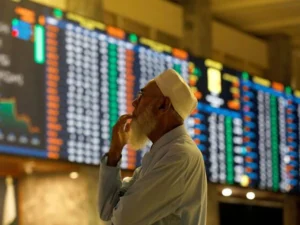
PSX Extends Losses as KSE-100 Falls 704 Points Amid Middle East Concerns
The IMF, however, maintained that the government must set its own spending priorities. It also referred to Pakistan’s commitment under the programme to avoid new fuel subsidies or cross-subsidies.
Pakistan introduced the compensation scheme last month. The IMF wants the authorities to bring the policy in line with the programme commitments.
Gas Receivables Remain a Key Dispute
The IMF has also asked Pakistan to address outstanding receivables in the gas sector.
The Petroleum Division has resisted the proposed write-off. Officials said the division believes the federal government must honour its commitments to gas distribution and exploration companies.
The IMF had previously asked Pakistan to write off inter-corporate debt and waive late-payment surcharges. Officials estimated those obligations at about Rs1.7 trillion.
A detailed meeting on the gas-sector circular debt plan could take place next week. Authorities postponed an earlier meeting.
The IMF mission is holding discussions with several ministries as part of the latest review of Pakistan’s $7 billion Extended Fund Facility and Article IV consultations. The IMF has previously stressed energy-sector reforms and targeted support for vulnerable consumers.
Government Seeks Alternative Debt Solution
Prime Minister Shehbaz Sharif has formed a committee to work on structural reforms in the petroleum sector.
The government has held several meetings with the IMF since March. However, officials said the two sides have yet to reach agreement on the disputed issues.
The IMF has also questioned a proposal to use around Rs850 billion in gas-company dividends to settle outstanding debt. Officials said the lender considers the proposal inconsistent with fiscal neutrality.
Pakistan had asked the IMF to suggest an alternative approach. However, officials said a planned meeting with the IMF’s fiscal affairs team did not take place.
One option involves raising energy prices. The government has not supported that approach because higher prices would affect consumers across income groups.
Circular Debt Plan Under Review
The Petroleum Division has proposed settling about Rs3.6 trillion in gas-sector circular debt through tariff differential claims involving Sui gas companies.
Under the proposal, the Sui companies would use the funds to settle obligations owed to OGDC, PPL and GHPL.
The plan would provide cash to the companies while accounting for their projected cash flows and contractual obligations.
The government has also proposed using incremental dividends for OGDC, PPL and GHPL because of the government’s major shareholdings in the companies.
The IMF has raised questions about the plan’s treatment of minority shareholders and non-controlling interests. It has also questioned whether proposed additional inflows, including petroleum development levy and LNG-related savings, can generate the expected funds.
The Petroleum Division maintains that the circular debt originated from tariff differential claims. It says these claims reflected policy-driven public-service obligations that prevented Sui companies from recovering their full costs.
Officials said the proposed plan aims to clear older receivables and improve the financial position of the gas sector. Further discussions are expected as Pakistan and the IMF continue negotiations.