Shaikh Imtiaz Hussain Reappointed Chairman of Pakistan–USA Business Council
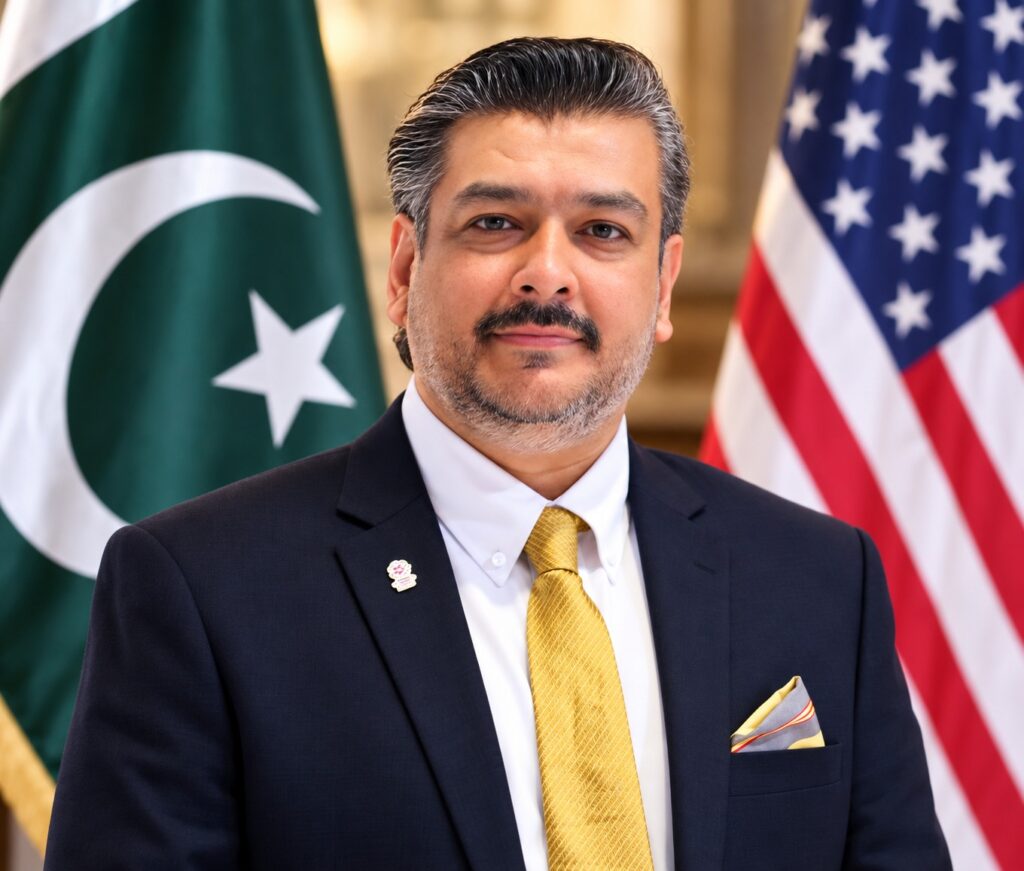
Shaikh Imtiaz Hussain reappointed Chairman of the Pakistan–USA Business Council.
Prominent businessman Shaikh Imtiaz Hussain has been reappointed Chairman of the Pakistan–USA Business Council of the Federation of Pakistan Chambers of Commerce & Industry (FPCCI).
His reappointment continues his role in promoting stronger trade, investment and business ties between Pakistan and the United States.
Shaikh Imtiaz Hussain is an active member of Pakistan’s business community. He has represented the country at national and international business forums.
He has also worked on initiatives related to exports, foreign investment, trade facilitation and international business partnerships.
Focus on Pakistan–US Business Relations
During his previous tenure, Shaikh Imtiaz Hussain advocated greater private-sector engagement between Pakistan and the United States.
LNG Supply Disruption Threatens Pakistan’s Industrial Production
His priorities included expanding bilateral trade and creating new business opportunities. He also promoted investment and stronger links between business communities in both countries.
Speaking after his reappointment, Shaikh Imtiaz Hussain said Pakistan’s commitment to peace, stability and economic development could support stronger international commercial engagement.
He said Pakistan–US economic relations have significant potential.
“Our objective should be to translate this potential into tangible opportunities for businesses, investors, exporters and entrepreneurs in both countries.”
He added that he would continue efforts to strengthen business-to-business relations and develop new avenues for trade and investment.
Council to Promote Trade and Investment
The Pakistan–USA Business Council will focus on several areas during the new tenure.
These include bilateral trade, investment, joint ventures, technology cooperation, market access and business-to-business connectivity.
Shaikh Imtiaz Hussain said the Council would encourage greater interaction between Pakistani and American business communities.
“Our vision is to take Pakistan–USA business relations to new heights and establish stronger, sustainable and mutually beneficial economic partnerships,” he said.
He added that the Council would engage with business organizations, investors and trade institutions in both countries to identify new opportunities.
Key Sectors for US Market
Shaikh Imtiaz Hussain said Pakistan’s private sector has significant potential to expand its presence in the US market.
He identified agriculture and horticulture, food processing, information technology, manufacturing, textiles and services among the key areas.
Emerging sectors could also create new opportunities for Pakistani businesses, he said.
He pledged to work with FPCCI, Pakistani trade missions, US business organizations, chambers of commerce and relevant government institutions.
The objective is to facilitate greater commercial interaction and promote Pakistan as a destination for trade and investment.
The reappointment is expected to continue the Council’s efforts to strengthen Pakistan–US economic ties and create new opportunities for businesses in both countries.