Pakistan’s Blue Economy Holds Major Potential as Maritime Sector Gains Focus
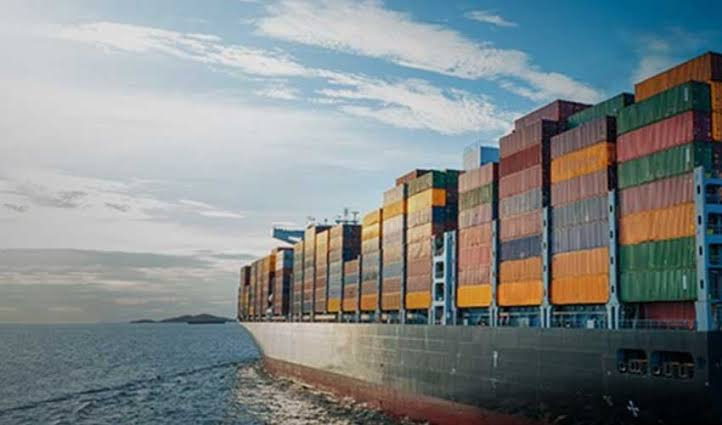
Pakistan’s maritime sector offers opportunities in fisheries, shipping, tourism and offshore mineral exploration.
Pakistan’s maritime sector could become a major contributor to economic growth if the country expands and modernizes its Blue Economy, economic and financial analyst Ateeq Ur Rehman said on World Maritime Day on September 24, 2026.
Ur Rehman said Pakistan’s Blue Economy could generate between $100 billion and $150 billion if the country fully develops its maritime potential.
He said the Blue Economy covers economic activities linked to oceans, seas, coastal areas and marine resources. Pakistan, he added, needs to give the sector greater national priority alongside agriculture, mining, information technology, manufacturing and exports.
Pakistan Has Significant Maritime Resources
Pakistan has a coastline of around 1,001 kilometres. The coastal belt supports diverse marine species, plants and natural resources.
Ur Rehman said the country needs to recognize the economic importance of its maritime assets. He called for greater investment in ports, fish harbours, deep-sea fishing, seafood processing, coastal tourism and shipping.
Sindh Government Seeks Cabinet Approval to Purchase 500 Electric Buses
According to him, infrastructure modernization remains one of the main challenges facing Pakistan’s maritime sector.
He said stronger infrastructure could help the country expand existing maritime activities while creating new opportunities for investment and employment.
Deep-Sea Minerals Offer Emerging Opportunities
Ur Rehman also highlighted the growing global interest in deep-sea mining and offshore seabed minerals.
Seabed minerals are gaining importance because of their potential use in renewable energy, electric mobility, batteries and advanced industries. Countries are therefore investing in marine exploration and related technologies.
Pakistan’s location in the northern Arabian Sea gives it a strategic maritime position. However, the country remains at an early stage in assessing its offshore mineral resources.
Pakistan has around 240,000 square kilometres of Exclusive Economic Zone (EEZ). It also has an additional 50,000 square kilometres of extended continental shelf, according to the figures cited by Ur Rehman.
The Arabian Sea, Indus Delta sediment system and Makran offshore region could provide areas for further marine mineral research.
Greater Investment Needed in Exploration
Ur Rehman said Pakistan needs greater investment in seabed mapping, sampling and geological surveys.
Modern exploration technology and stronger institutional capacity will also be necessary, he said.
A clear national strategy could help Pakistan attract investment and develop expertise in this emerging sector. It could also support new industries, reduce dependence on imported minerals and create future export opportunities.
At the same time, any future seabed development would need to consider marine ecosystems and responsible resource management.
Global Interest in Seabed Resources
China has emerged as a leading participant in seabed mineral exploration. Its activities include research into polymetallic nodules, sulphides and cobalt-rich crusts.
Japan and South Korea are also developing deep-sea exploration and mineral technologies. The United States has increased its focus on critical seabed minerals.
Commercial-scale deep-sea mining remains at an early stage globally. Pakistan could therefore use this period to develop technical capabilities, research capacity and international partnerships.
Fisheries Remain a Major Blue Economy Sector
Pakistan already generates significant economic activity from its marine fisheries.
Fish and seafood exports reached approximately $568 million in fiscal year 2025-26, according to the figures cited by Ur Rehman.
The fisheries sector also provides direct employment to more than one million people. It supports an additional 1.5 million livelihoods across related activities.
These figures highlight the importance of fisheries within Pakistan’s wider Blue Economy.
Maritime Development Could Diversify the Economy
Ur Rehman said Pakistan has significant long-term potential in seabed minerals. However, the country remains at an early stage of development in this field.
He identified mapping, exploration, technology and international partnerships as key priorities.
Developing these areas could help Pakistan diversify its Blue Economy beyond fisheries. It could also create jobs, attract investment, support new industries and generate mineral and export revenues.
The broader challenge, he said, is to turn Pakistan’s maritime resources into sustainable economic opportunities through modernization, investment and responsible development.