
Canada Tariffs Paused as Trump Says Trade Deal Is Within Reach
Donald Trump gives US and Canadian negotiators three more days to finalise a trade agreement after weeks of tense talks
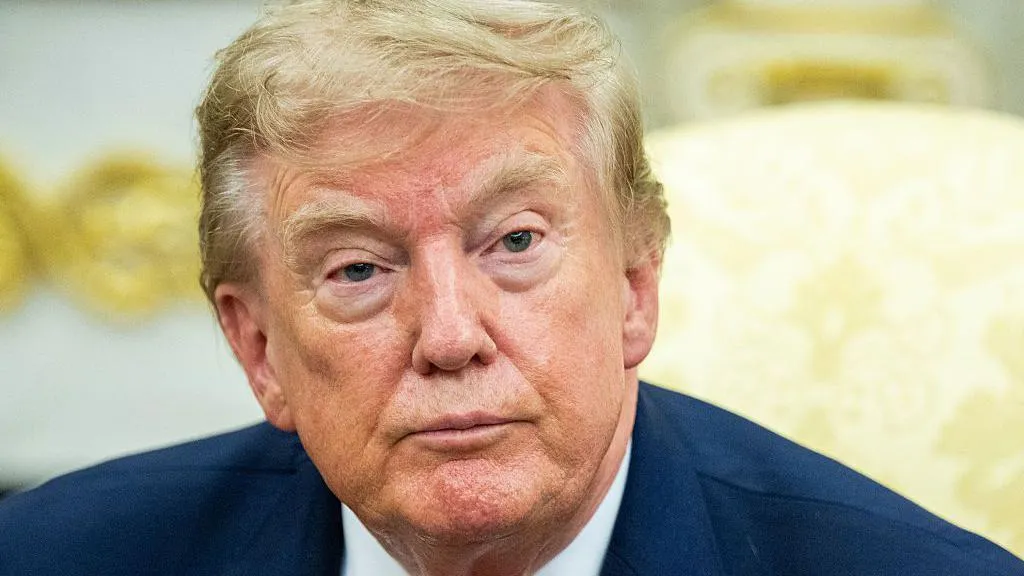
Donald Trump pauses new tariffs on Canadian imports as Washington and Ottawa work on a trade deal
US President Donald Trump has delayed a planned 50% tariff on a wide range of Canadian imports for three days, saying Washington and Ottawa have reached a tentative trade deal.
Trump announced the pause less than two hours before the new duties were due to take effect. He said negotiators still needed to complete the final documents before the agreement could become official.
The decision gives both sides more time to resolve major differences over cars, dairy products, alcohol sales and other trade measures.
Trump pauses new tariffs
Trump said the United States had paused the 50% levy scheduled to begin on Thursday. The duties would have affected almost $20bn (£14.8bn; C$28bn) worth of Canadian goods.
The president said the delay followed progress in negotiations with Canada. He also indicated that a final agreement could include broader economic and trade commitments.
Canadian Prime Minister Mark Carney welcomed the development but cautioned that negotiations were not finished.
“Substantial progress has been made,” Carney said, while noting that important work remained.
The Canada tariffs dispute has created significant uncertainty for businesses on both sides of the border.
Auto tariffs remain a key obstacle
Washington and Ottawa have struggled to reach agreement on several major issues.
US tariffs on Canadian automobiles remain one of the biggest sticking points. Reuters reported that negotiators were considering a plan to reduce the US auto tariff from 25% to 15%.
However, the two sides disagreed over which vehicles would qualify for the lower rate.
US officials wanted the reduction to apply mainly to vehicles with a high percentage of American-made components.
Canada has also sought lower US duties on steel, aluminium, lumber and other important exports.
Alcohol and dairy add pressure
The negotiations also cover Canadian restrictions on American alcohol.
Most Canadian provinces imposed restrictions on US liquor sales after Trump introduced earlier tariffs. Ottawa now faces pressure to remove those measures as part of a wider agreement.
Carney will need support from provincial leaders because individual provinces control alcohol distribution.
Ontario Premier Doug Ford has said he could support lifting the restrictions if Canada receives what he considers a fair trade agreement.
Washington has also asked Canada to change its dairy quotas. The move would give US cheese producers greater access to the Canadian market.
Seafood Exports: Pakistan Can Earn Billions of Dollars, Says Ali Pasnani
Keystone XL could return to talks
Trump also linked the proposed agreement to the future of the Keystone XL pipeline.
The project would connect Alberta’s oil production with the US and could transport about 830,000 barrels of oil each day.
Former presidents Barack Obama and Joe Biden blocked the project. Environmental and Indigenous groups have opposed the pipeline for years.
Trump has repeatedly expressed interest in reviving it. In his latest remarks, he suggested that a trade agreement could reopen the project.
Businesses welcome tariff delay
The three-day extension has offered temporary relief to companies operating across the US-Canada border.
Businesses have warned that higher tariffs could increase costs and disrupt supply chains in both countries.
The US Chamber of Commerce has also urged Washington and Ottawa to reach an agreement. It warned that higher duties could hurt both economies and put millions of trade-dependent American jobs at risk.
The United States and Canada remain closely connected through the US-Mexico-Canada Trade Agreement.
The latest negotiations could determine whether that trading relationship faces further disruption or moves towards a new period of stability.
For now, the tariff deadline has moved back by three days. The two governments must use that window to settle their remaining differences and turn the tentative agreement into a final deal.