Starbucks Korea Faces Police Raid After ‘Tank Day’ Campaign Sparks Defamation Probe
South Korean investigators searched Starbucks Korea’s headquarters as authorities examined criminal complaints alleging the company’s controversial promotion insulted victims of the Gwangju Uprising.
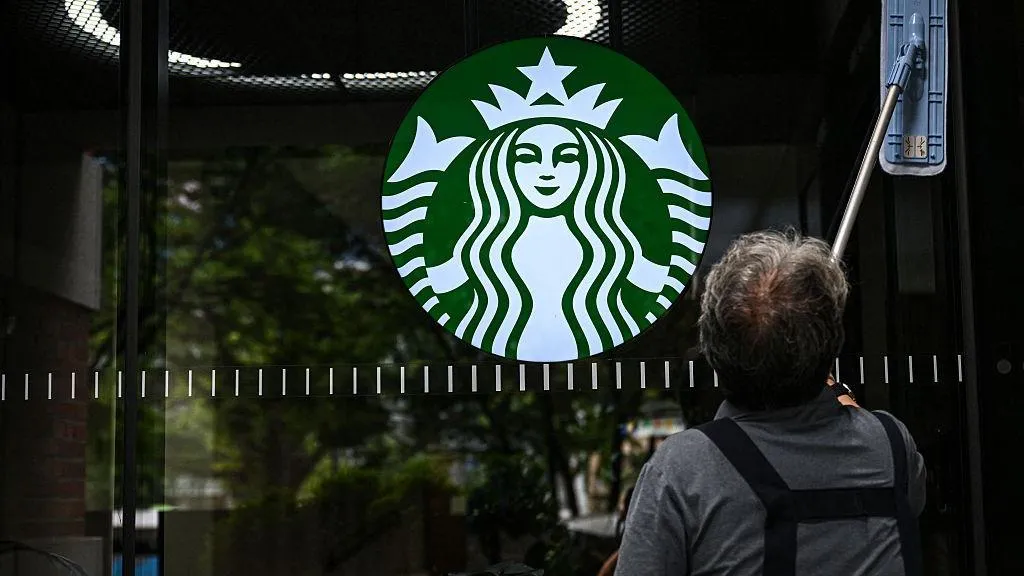
Police investigate Starbucks Korea after the controversial Tank Day promotion.
Starbucks Korea is facing a criminal investigation after South Korean police raided the company’s national headquarters over allegations that a controversial marketing campaign defamed victims of the 1980 Gwangju Uprising.
The investigation follows widespread public outrage over a promotional campaign launched in May for a coffee tumbler under the name “Tank Day.” The campaign coincided with the anniversary of the Gwangju Uprising, a defining moment in South Korea’s democratic history during which hundreds of civilians are believed to have been killed by military forces under the dictatorship of Chun Doo-hwan.
Authorities carried out the raid after civic organizations filed criminal complaints, arguing that the campaign insulted victims of the military dictatorship and warranted a formal investigation. The controversy quickly triggered nationwide criticism and calls for a consumer boycott.
Connected Care Reshapes the CPAP Market as Digital Sleep Therapy Drives Global Growth
Promotion Triggered National Backlash
Starbucks Korea withdrew the campaign shortly after the backlash intensified, stating that the timing and wording were entirely unintentional. Shinsegae Group, which operates Starbucks in South Korea, launched an internal review and concluded that employees responsible for the promotion had failed to recognize the historical significance of the date. Senior management also admitted it had overlooked the issue during the approval process.
The company issued a public apology, describing the campaign as inappropriate and acknowledging that the controversy had caused a significant decline in sales in one of Starbucks’ largest international markets.
Company Takes Disciplinary Action
In response to the incident, Starbucks Korea dismissed its chief executive and temporarily closed stores across the country for half a day in June so employees could attend educational sessions on South Korean history.
The company said the training was intended to strengthen historical awareness and prevent similar mistakes in future marketing campaigns.
Historical References Intensified Criticism
Public anger extended beyond the campaign’s name. Promotional materials featured the phrase “tak on the table!”, which many South Koreans associated with a controversial police statement made in 1987 following the death of student activist Park Jong-chul while in custody. The phrase became a powerful symbol of state repression during the country’s struggle for democracy.
Critics argued that combining the slogan with the “Tank Day” promotion on the anniversary of the Gwangju Uprising demonstrated a serious lack of historical sensitivity.
Political Debate Over the Controversy
The incident also became a political issue during South Korea’s local election campaign. President Lee Jae Myung condemned the promotion, saying it insulted both the victims of the Gwangju Uprising and the city’s democratic legacy.
The government later announced a boycott of Starbucks at the ministry level, while opposition figures accused the administration of politicizing the controversy. One opposition leader publicly displayed a Starbucks cup during a speech, arguing that the government’s response amounted to excessive intervention.
Starbucks Becomes a Political Symbol
Since the controversy emerged, Starbucks cups have increasingly appeared at conservative political rallies and online broadcasts, with some right-wing supporters adopting the brand as a symbol of opposition to President Lee Jae Myung’s administration.
The police investigation is ongoing, and authorities have not announced whether formal charges will be brought against the company or any individuals involved in approving the campaign.