Faisal Moeez Khan Backs DG ISPR’s Call, Says Good Governance Is Vital for Pakistan’s Stability
NKATI president urges institutional reforms, national unity, and serious consideration of new provinces to strengthen governance and long-term development.
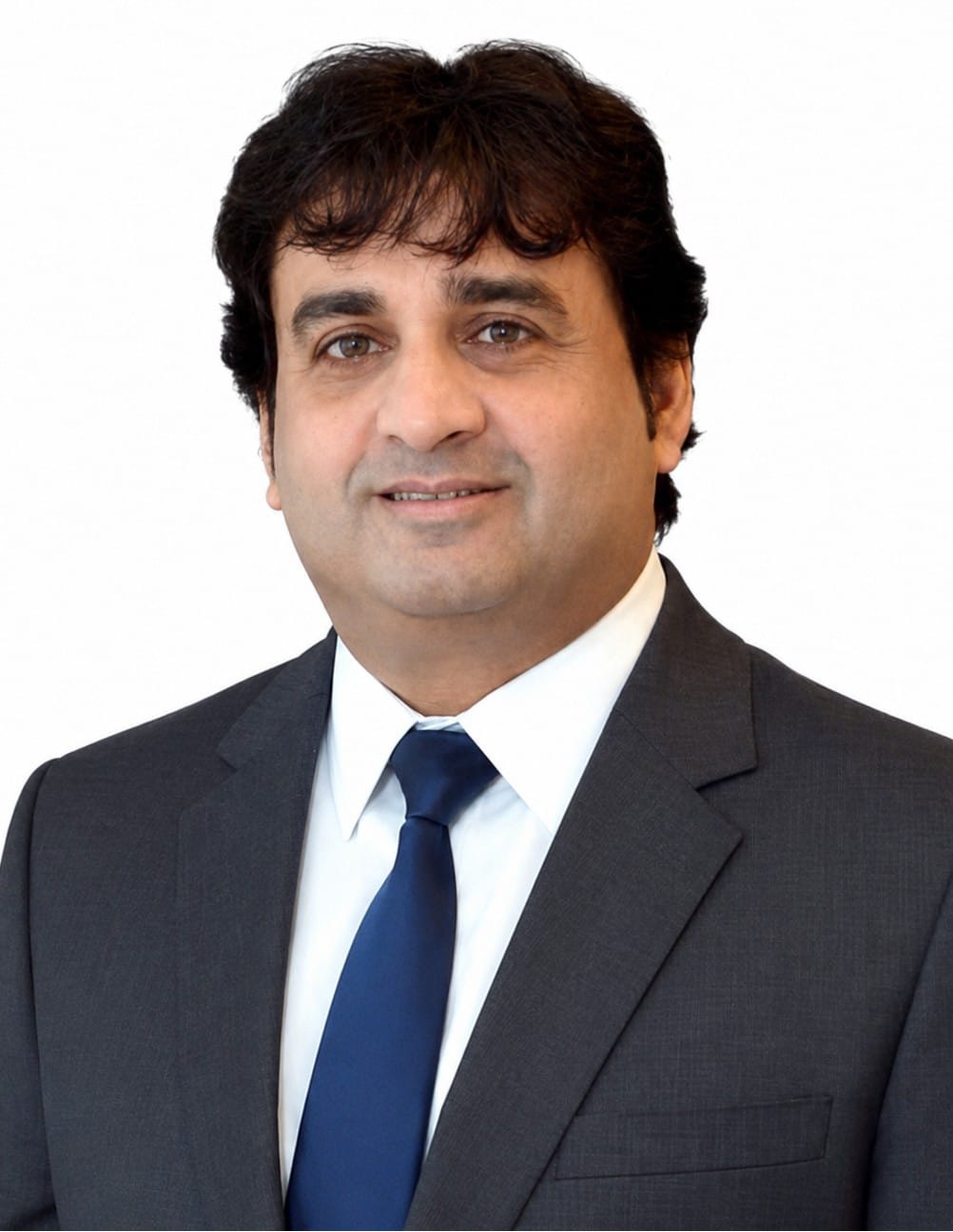
NKATI President Faisal Moeez Khan speaks on governance and national stability.
KARACHI: Good Governance is essential for ensuring Pakistan’s long-term stability, economic resilience, and national security, according to North Karachi Association of Trade and Industry (NKATI) President Faisal Moeez Khan, who has endorsed the recent remarks made by the Director General of Inter-Services Public Relations (DG ISPR).
Speaking on the country’s evolving security challenges, Faisal Moeez Khan said the DG ISPR’s assessment accurately reflects the realities on the ground. He said adopting a comprehensive national strategy is crucial to counter the renewed wave of terrorism, adding that military operations alone cannot eliminate the threat without effective governance, strong institutions, and the confidence of the public.
PHDEC Expands Guava Export Push with Summer Bagging Project in Punjab’s Largest Growing Hub
More than 100 words into the statement, Good Governance remains central to Faisal Moeez Khan’s message. He described transparency, accountability, the rule of law, efficient public service delivery, and a responsive administrative system as the pillars of sustainable peace and national progress. According to him, strengthening these institutions is equally important for addressing terrorism, improving economic stability, and resolving broader governance challenges.
He urged both the federal and provincial governments to prioritise institutional reforms and public welfare initiatives, arguing that stronger governance would improve public trust, encourage investment, and create a more secure environment for development.
Faisal Moeez Khan also stressed that loyalty to the state is the constitutional, national, and moral responsibility of every citizen. He called on political stakeholders, the business community, civil society, and state institutions to move beyond political differences and work collectively to reinforce national security, economic resilience, and social harmony.
Highlighting Pakistan’s changing demographic landscape, the NKATI president noted that the country’s population has increased many times since independence while the number of provinces has remained unchanged. He said the proposal to establish new provinces deserves serious national debate to improve governance, administrative efficiency, and public service delivery.
According to Faisal Moeez Khan, modernising Pakistan’s administrative framework in line with current national requirements would promote balanced regional development, accelerate decision-making, and ensure better access to public services across the country.
He concluded that effective governance, institutional strength, and national unity are indispensable for building a stable, prosperous, and economically competitive Pakistan capable of meeting future challenges.