China Holds Houthi Talks to Secure Safe Passage for Oil Tankers in the Red Sea
Beijing seeks guarantees for its crude shipments as Houthi attacks disrupt Red Sea shipping and heighten tensions across the Middle East.
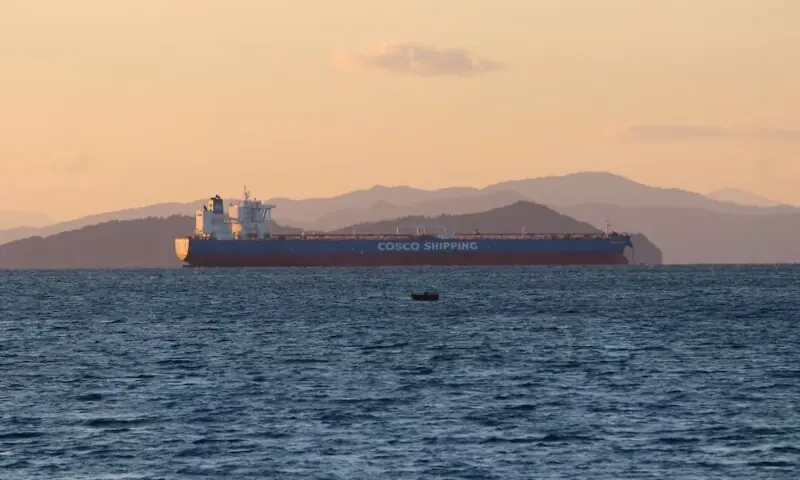
Oil tankers transit the Bab el Mandeb Strait as regional security concerns disrupt Red Sea shipping
LONDON: China has held direct discussions with Yemen’s Houthi movement to ensure its oil tankers can safely pass through the southern Red Sea after the Iran-backed group threatened to block access to Saudi Arabian ports, according to six sources familiar with the matter.
The move comes as growing regional conflict disrupts one of the world’s busiest maritime trade routes and raises concerns over global energy supplies.
Beijing Seeks Safe Shipping Route
The Houthis announced a blockade on July 20, expanding their campaign against the United States and its allies during the ongoing Iran conflict. The group also widened its attacks on commercial vessels transporting energy and other cargo through the Red Sea.
According to the sources, Beijing asked Houthi officials to guarantee safe passage for Chinese-flagged or China-bound oil tankers.
China was among the first countries to open direct communication with the Houthis regarding navigation through the Bab el Mandeb Strait, a strategic waterway linking the Red Sea to the Gulf of Aden.
Trump-Linked Albania Resort Faces Backlash Over Environmental Damage
Saudi Oil Exports Remain Critical
China aims to keep crude oil flowing from Saudi Arabia’s Red Sea export terminals, particularly Yanbu. Those shipments have become increasingly important after Iran effectively restricted traffic through the Strait of Hormuz.
Shipping data from Kpler, LSEG, and MarineTraffic shows that at least four tankers carrying Saudi crude for China have safely crossed Bab el Mandeb since the Houthis announced their restrictions.
Sources said Chinese officials coordinated each voyage directly with Houthi representatives. Iranian authorities also received updates on the arrangements.
Shipping Companies Face Growing Risks
The Houthis have warned international shipping firms that they could target vessels loading or unloading cargo at Saudi ports.
As security concerns increase, some oil tankers have changed course before entering the Red Sea.
The supertankers New Champion and New Prime both turned back into the Gulf of Aden instead of continuing their planned voyages, according to Lloyd’s List Intelligence and MarineTraffic.
The New Champion had planned to load crude oil at Yanbu, while the New Prime was already carrying Saudi oil.
Recent Attacks Raise Security Concerns
Last week, the Houthis claimed responsibility for missile and drone attacks on the Saudi oil tankers Encelia and Layla. Maritime security officials confirmed that the Encelia came under attack.
A normal voyage from Yanbu to Asia through Bab el Mandeb takes about 16 days. Ships that avoid the Red Sea and travel through the Suez Canal before sailing around Africa can take roughly 50 days to complete the journey.
Red Sea Traffic Shows Signs of Recovery
Despite ongoing threats, vessel traffic through Bab el Mandeb increased slightly this week.
Kpler data showed that 28 vessels passed through the strait on Monday, the highest daily total in four days. However, traffic remained below the monthly peak of 46 vessels recorded on July 14.
Of the 12 ships entering the Red Sea on Monday, four were oil tankers, highlighting the continued importance of the route for global energy markets.