Argentina Criticism: World Cup Final Defeat Triggers Sportsmanship Debate
Critics accuse Argentina of poor sportsmanship after the World Cup final, while fans defend the team’s passion and football culture.
Argentina players react after their World Cup final defeat to Spain
BUENOS AIRES: Argentina Criticism intensified after the national football team faced widespread backlash over its conduct during a 1-0 defeat to Spain in the FIFA World Cup final.
Several commentators accused Argentina of using overly physical tactics and displaying poor sportsmanship throughout the match, reinforcing an image that developed during the tournament.
Critics pointed to repeated fouls, on-field confrontations and the team’s decision to turn away while Spain celebrated lifting the World Cup trophy.
The New York Times described Argentina’s display as “tetchy, petulant and distasteful.” Former Germany international Thomas Hitzlsperger called the players “disgusting sportsmen” in a post on X, while British television personality Piers Morgan accused the team of repeatedly targeting Spanish players with aggressive challenges.
Despite the criticism, many Argentines defended the team’s attitude and viewed the international reaction as a misunderstanding of the country’s football culture.
Where Lines Hold Ramsha Rubbani Explores Motherhood Through Contemporary Art
Lawyer Leo Simone said many people confuse Argentina’s pride with arrogance. His wife agreed, arguing that critics often misinterpret the confidence of Argentine players and supporters.
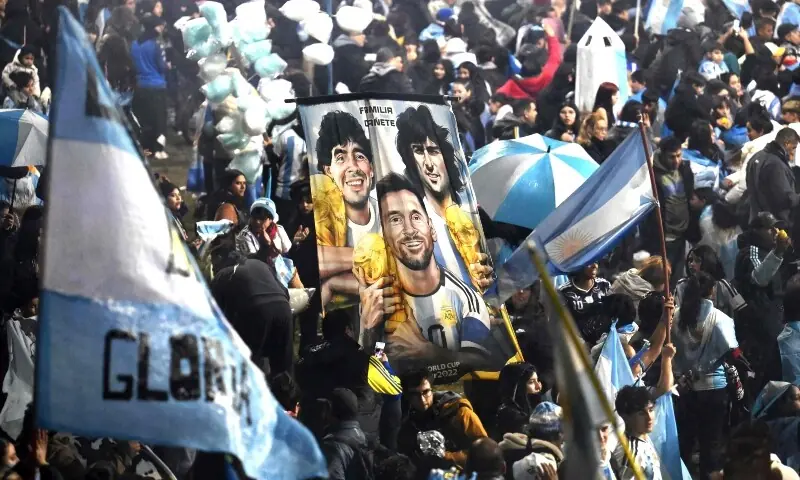
Thousands of fans gathered near Buenos Aires’ Ezeiza Airport to welcome the squad home despite the defeat. Construction worker Maximiliano Heredia said Argentines have grown accustomed to international criticism and remain proud of the team’s fighting spirit.
Many supporters on social media also embraced the criticism. Journalist Pedro Rosemblat wrote that Argentina’s rebellious football culture frustrates critics, adding that labels such as “cocky,” “cheaters” and “dirty” only strengthen national pride.
Sports journalist Ezequiel Fernández Moores acknowledged that some criticism was justified. He said Argentina’s traditions of provocation, banter and emotional expression often fail to translate well outside the country.
However, Fernández Moores also said the players should not have turned their backs while Spain received the World Cup trophy, describing the gesture as inappropriate.
Simone rejected suggestions that Argentina plays violent football. He argued that South American football is naturally physical and noted that Spain also committed tactical fouls during the match.
“It’s football. If you don’t like being hit, play volleyball,” he said.
Venezuelan neurologist Evelio Rubio, who has lived in Argentina for a decade, said it is difficult for outsiders to understand how deeply football shapes Argentine identity and emotions.
The tournament also revived long-standing concerns over racism involving some Argentine supporters and players.
Past incidents have included discriminatory chants aimed at French players, as well as racist behaviour by some club supporters toward Brazilian fans and Black footballers.
During the World Cup, FIFA condemned racist abuse after an Argentine supporter directed offensive remarks at American content creator IShowSpeed during a livestream.
Actor Samuel L. Jackson also sparked debate after urging Black fans not to support Argentina, describing the country as one of “the most racist countries in the world.”
Sociologist Iván Schuliaquer of the National University of San Martín said racism linked to football should not define Argentine society as a whole. He acknowledged that racism exists but argued that broader social and historical realities require a more balanced assessment.