

Robot Rentals: Subscription Services Make Advanced Robots More Accessible
From hospital assistants to humanoid helpers, companies are adopting robot subscription models that reduce costs and provide access to the latest technology.
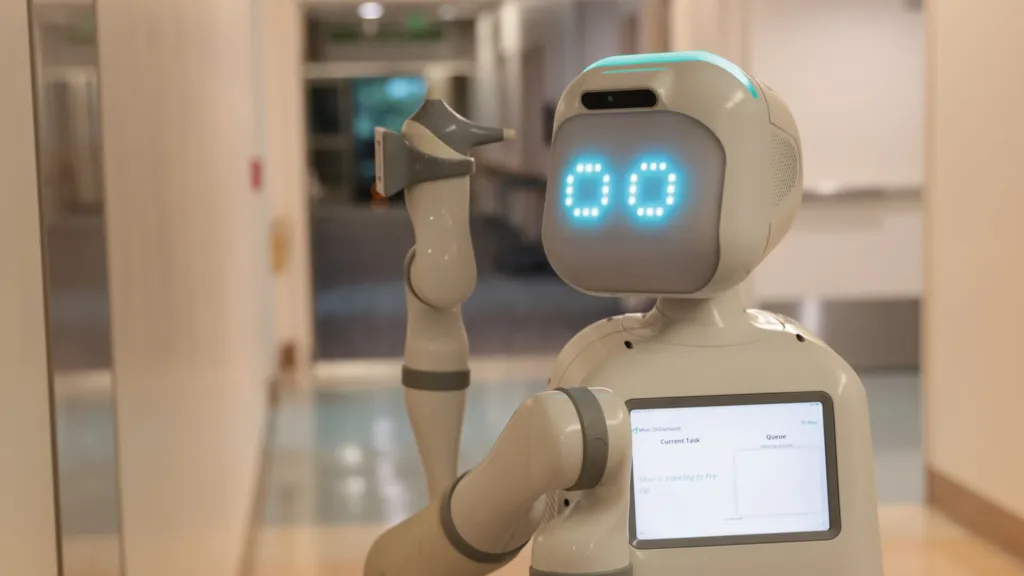
A service robot performs tasks as subscription-based robotics gain popularity across industries.
Robot Rentals are transforming how businesses and consumers access advanced robotics, as subscription-based services make the latest machines more affordable while eliminating the burden of ownership.
Instead of purchasing expensive robots outright, organisations are increasingly choosing robotics-as-a-service (RaaS), a model that bundles hardware, software updates, maintenance and technical support into a monthly or annual subscription.
One of the most widely used examples is Moxi, a hospital assistant robot developed by Diligent Robotics. Standing about four feet tall with a single robotic arm, Moxi transports medical supplies throughout hospitals, allowing healthcare staff to spend more time caring for patients.
The Texas-based company has deployed around 100 Moxi robots across hospitals in the United States. According to the company, hospitals prefer subscription plans because they reduce upfront costs while ensuring the robots receive continuous software upgrades and maintenance.
Dubai GDP: Economy Grows 2.4% to Dh232 Billion in First Quarter of 2026
The rental model is expanding beyond hospitals into hospitality, agriculture and manufacturing. Businesses can now rent robots for tasks such as serving customers, managing warehouse operations, removing weeds on farms and supporting industrial production.
Humanoid robots are also entering the rental market, although they currently perform limited and well-defined tasks. Many are used at corporate events, exhibitions and weddings, where they entertain guests by dancing, singing or interacting with visitors.
Research firm Counterpoint Research noted that companies often train humanoid robots using recordings of professional performers before deploying them at public events.
California-based 1X plans to launch its home assistant robot NEO later this year. Customers will have the option of purchasing the robot for $20,000 or subscribing for $499 per month, making advanced home robotics accessible to a broader range of users.
Industry experts say subscriptions offer another major advantage: customers can easily upgrade to newer models as robotics technology evolves rapidly. This helps businesses avoid investing in machines that may become outdated within a short period.
Industrial automation is also embracing the subscription model. Formic, based in Chicago, operates more than 250 industrial robots through a robotics-as-a-service platform that includes maintenance, repairs and equipment replacement at a fixed monthly fee.
Some manufacturers are experimenting with performance-based pricing, where rental costs depend on how much labour a robot replaces or how much productivity it delivers.
China remains one of the fastest-growing markets for humanoid robots. Companies are deploying robots in hotels, retail outlets and commercial services to gather real-world operational data while improving artificial intelligence capabilities.
Shanghai-based Agibot has expanded internationally and now offers humanoid robot rental services in 17 countries, including the United Kingdom.
As robotics technology advances and demand grows, experts believe subscription services will play an increasingly important role by lowering costs, simplifying maintenance and giving businesses continuous access to the latest innovations.