Russia-NATO Tensions: Analysts Question Whether Putin Will Escalate Beyond Ukraine
As the war enters its fifth year, military and economic pressures raise fresh questions about Moscow’s next move and the risks facing Europe.
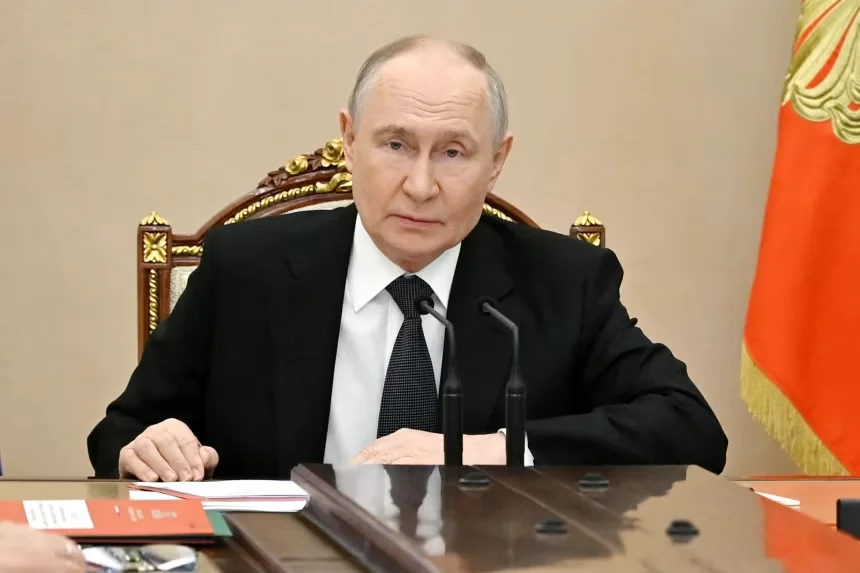
NATO and European leaders continue to monitor the evolving security situation amid the war in Ukraine.
Russia-NATO tensions have come under renewed scrutiny as analysts debate whether Russian President Vladimir Putin could broaden the conflict beyond Ukraine while facing mounting military, economic and political pressures at home.
The discussion comes as NATO leaders assess Europe’s security environment against the backdrop of Russia’s prolonged invasion of Ukraine. While concerns persist about the possibility of Moscow testing NATO through hybrid tactics or limited provocations, analysts note that there is no public evidence that Russia has decided to launch a direct military confrontation with the alliance.
More than four years into the war, Russia continues to face significant challenges. Ukraine’s long-range drone and missile attacks have targeted military and energy infrastructure, placing additional pressure on Russia’s economy and logistics. At the same time, Western sanctions, rising military spending and the financial burden of sustaining the war have strained the country’s resources.
Indus Waters Treaty: Army Reaffirms Commitment to Protect Pakistan’s Water Rights
Despite these difficulties, Russia has maintained a wartime footing by increasing defence production and mobilising industrial capacity to support its military campaign. Analysts say this has enabled Moscow to sustain operations, even as battlefield advances have slowed and the conflict has settled into a prolonged war of attrition.
European governments have also intensified security measures in response to concerns over cyberattacks, disinformation campaigns, sabotage and other forms of hybrid warfare. Several NATO members have reported incidents involving suspected espionage, drone activity and attempts to disrupt critical infrastructure, although assessments of responsibility vary.
Security experts argue that any direct military attack on a NATO member would carry significant risks for Moscow because of the alliance’s collective defence commitments. Instead, many believe Russia is more likely to rely on non-conventional methods, including cyber operations, information campaigns and other actions designed to test Western unity without triggering a full-scale military response.
The conflict has also accelerated efforts by European countries to strengthen defence capabilities and increase military spending. NATO members continue to debate long-term defence investment while expanding cooperation on regional security and deterrence.
Analysts remain divided over Russia’s strategic options. Some believe Moscow could seek to increase pressure on the West through hybrid means, while others argue that Russia’s economic constraints and military commitments in Ukraine limit its ability to open a broader conflict.
As the war continues, policymakers across Europe are closely monitoring developments, balancing support for Ukraine with measures aimed at deterring further escalation and maintaining regional stability.