Oil Pricing: Pakistan promises import-premium fuel rates after industry backlash
ISLAMABAD: Pakistan’s government has assured oil marketing companies and refineries that upcoming fuel price adjustments will reflect actual import premiums to reduce financial losses and restore confidence across the energy sector.
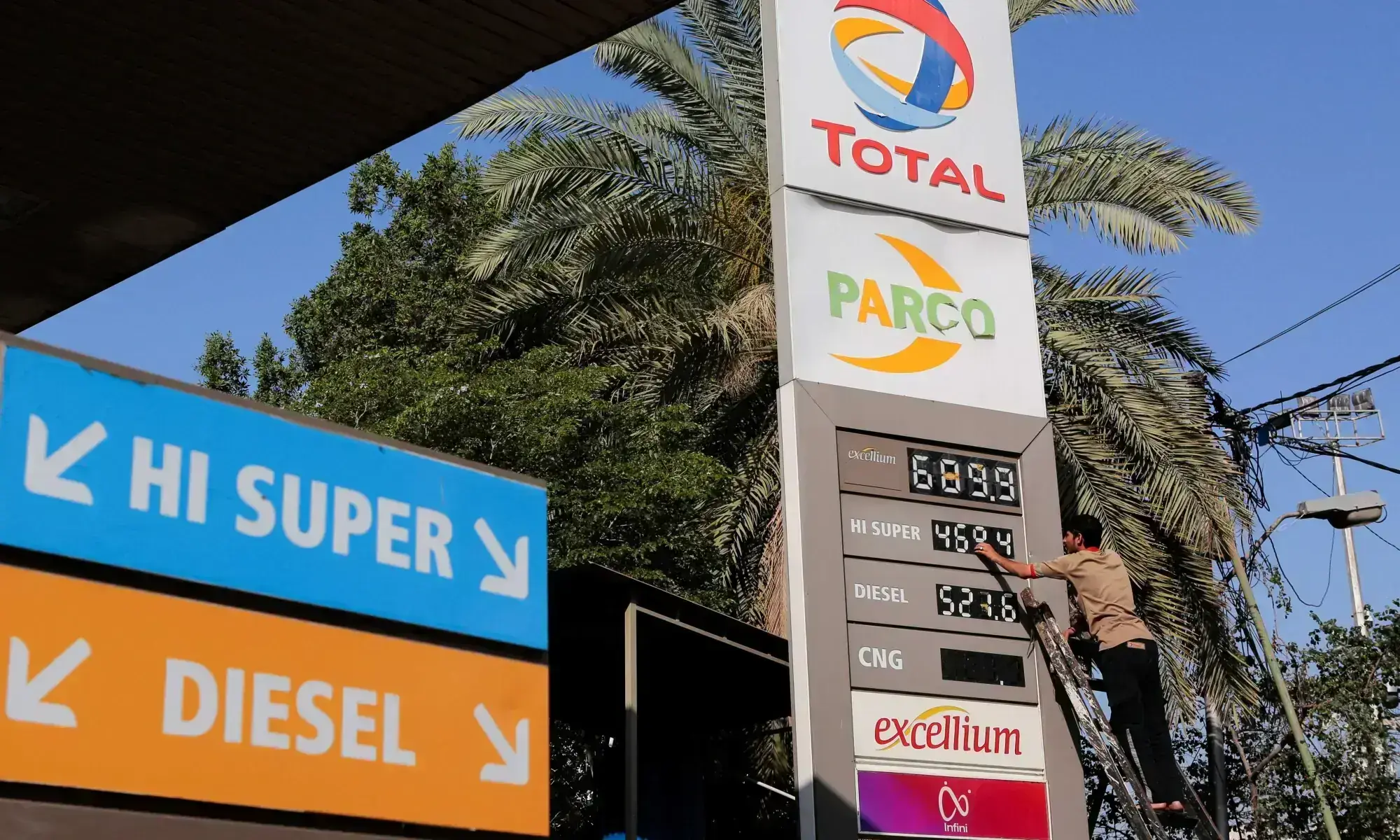
Oil industry executives meet government officials over fuel pricing reforms.
ISLAMABAD: Pakistan’s government has promised to link Oil Pricing to actual import premiums after oil marketing companies and refineries complained that repeated changes to the formula have hurt profits and shaken investor confidence.
At an urgent meeting on Tuesday, Petroleum Minister Ali Pervaiz Malik and Petroleum Division Secretary Hamed Yaqoob Shaikh told industry executives that the government would keep the weekly pricing mechanism in place for now and avoid further changes in the near term. They said future petrol rates would use the import premium from the latest cargo arranged by Pakistan State Oil (PSO).
Europe Heatwave: France Faces Record Temperatures as Extreme Heat Spreads Across Continent
Officials said the next petrol calculation would use an import premium of $15.85 per barrel from PSO’s latest shipment. They added that diesel rates would continue to track PSO’s benchmark import premium from Kuwait Petroleum, which stands at about $5 to $6 per barrel.
Industry leaders criticised the repeated revisions. Asif Iqbal, chairman of the Oil Companies Advisory Council (OCAC), said authorities had changed the diesel formula seven times and the petrol formula four times in the past three months. He said the latest revision wiped out a year’s profits in one day and warned that policy instability would deter foreign investors.
Refinery executives also raised concerns about smuggled high-speed diesel flooding the market. They called for full price deregulation and tougher action against smuggling.
Executives from major companies said sudden pricing decisions had caused heavy losses and could affect future expansion plans and foreign capital commitments. One executive said delayed payment of more than Rs66 billion in price differential claims had strained liquidity at a time when banks were also charging higher foreign exchange costs.
Most participants urged the government to restore the pricing framework that existed before recent market disruptions. They warned that the current formula could erode profitability and squeeze working capital.
Refinery operators also objected to the government’s request that they surrender 2.5pc deemed duty set aside for upgrades, saying they had already planned investments around those incentives.
Mr Malik told the meeting that the seven-day pricing system would stay unchanged for now. He said the prime minister had set up a committee to review petroleum pricing and that the government would consider industry input before making further decisions. He added that any move towards full deregulation would happen gradually and could eventually shift from weekly to daily pricing.
Sources said officials also urged industry representatives to strengthen their economic arguments in policy forums and respond more forcefully to criticism on social media.