World Cup hydration breaks: Fans question timing as tech boom grows
Web Desk June 23, 2026Hydration tech: Hydration breaks at the 2026 World Cup have sparked controversy among fans and pundits, while the wider debate over hydration science and tracking technology continues to expand globally.
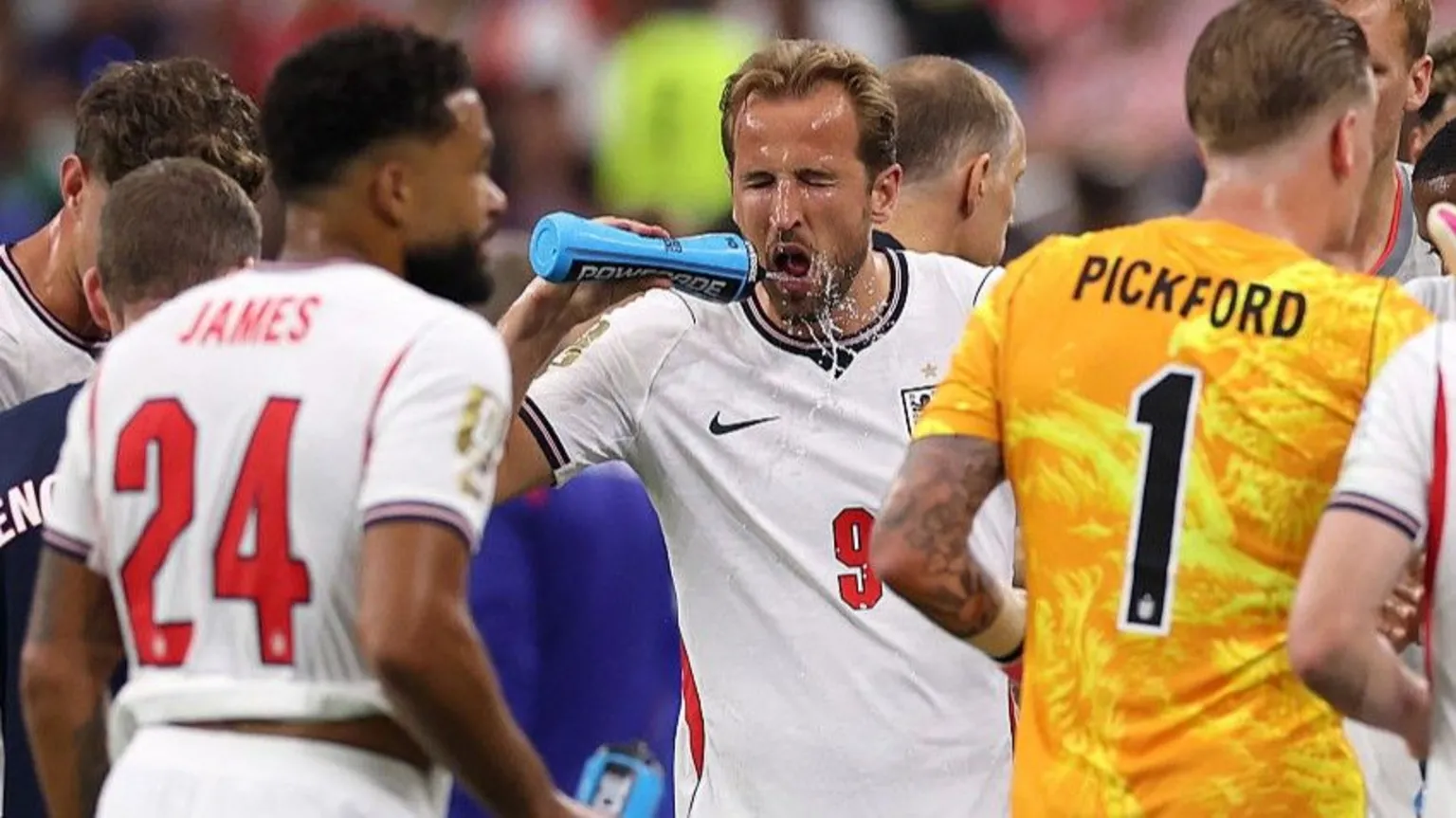
Players take mandatory hydration breaks during World Cup matches amid rising debate over timing and necessity
Hydration tech: Hydration breaks at the 2026 World Cup have sparked controversy among fans and pundits, while the wider debate over hydration science and tracking technology continues to expand globally.
Spectators have criticised the new rule, saying it disrupts match flow and appears to serve broadcasting interests rather than player welfare. Others argue that in air-conditioned stadiums, the breaks may be unnecessary.
Sports scientists, however, say hydration is becoming increasingly important as global temperatures rise. Andreas Flouris of the University of Thessaly says hydration research is gaining urgency as heat stress becomes more common in sport and work environments.
AI cyber warning: Five Eyes agencies flag rapid hacking threat escalation
The debate has grown alongside a surge in consumer hydration technology, ranging from sweat sensors to smart bottles and even toilet-based urine analysers designed to monitor fluid levels in real time.
A growing number of companies, including Epicore Biosystems, are developing wearable sweat-tracking devices that claim to measure sodium loss, temperature, and dehydration risk during physical activity.
Some devices provide alerts through vibrations or apps when users are at risk of dehydration, targeting not only athletes but also outdoor workers in high-heat industries.
However, researchers remain divided. Flouris and other scientists argue that many sweat-based devices lack consistent accuracy, particularly during short or irregular activity such as team sports.
Hydration experts note that urine analysis can provide useful insights in clinical research, but changes in hydration status may not be immediately visible in real time.
Smart hydration products, including connected water bottles, aim to encourage regular drinking habits through reminders, social features, and real-time monitoring, but their accuracy has also been questioned.
Some health specialists warn that constant monitoring may increase anxiety, although manufacturers argue the goal is habit formation rather than medical diagnosis.
As climate change continues to intensify heatwaves, experts say hydration will remain a growing public health issue — even as debate continues over whether technology is solving or complicating the problem.