Iran Deal: US Drops Naval Blockade After Historic Middle East Agreement
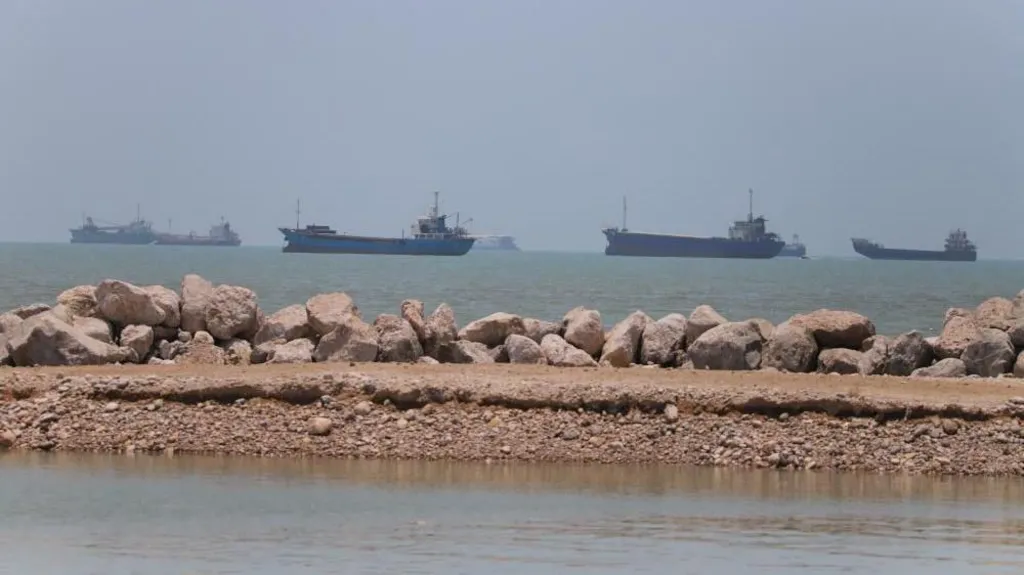
US and Iran agreement marking the Iran Deal and naval blockade withdrawal
The Iran Deal reportedly marks a major turning point as the US ends its naval blockade of Iran. According to officials, this development follows a signed agreement aimed at ending the Middle East conflict. The Iran Deal has quickly become a global focus due to its political and military impact.
The United States Central Command confirmed on X that the blockade has ended under presidential direction. However, some naval forces will remain in the region as talks continue.
Trump And Iran Sign Interim Deal After Pakistan Mediation
Iran Deal Naval Blockade End
The Iran Deal led to the official end of the US naval blockade, according to military confirmation. This move signals a shift in strategy after prolonged regional tensions.
Officials stated that the decision aligns with ongoing diplomatic commitments. The presence of remaining US vessels suggests cautious monitoring of the situation.
Iran Deal Khamenei Response
Iran Deal reactions included a rare public statement from Iran’s Supreme Leader Mojtaba Khamenei. He acknowledged approval of the agreement despite expressing personal disagreement.
He stated that assurances from President Masoud Pezeshkian helped secure his approval. Khamenei also criticized US pressure tactics during negotiations.
Iran Deal Trump Vance Reaction
The Iran Deal has sparked mixed reactions in US political circles. Donald Trump highlighted expectations for a broader ceasefire across the region.
JD Vance defended the agreement, stating Iran will only gain benefits after meeting obligations. He also criticized Israel’s internal opposition to the deal.
Iran Deal Middle East Impact
The Iran Deal includes major provisions such as reopening the Strait of Hormuz and uranium restrictions. It also proposes a reconstruction fund for Iran under strict conditions.
Tensions remain as regional actors continue limited strikes despite the agreement. Analysts say the situation remains fragile as implementation begins.
Iran Deal Global Concerns
The Iran Deal has triggered debate among US lawmakers and international observers. Some Republicans called it a strategic mistake due to financial and security concerns.
Supporters argue it could stabilize long-term Middle East tensions if fully implemented. However, skepticism remains high across political lines.