PHDEC Launches Grape Industry Plan to Replace $70 Million Imports With Exports
Web Desk June 11, 2026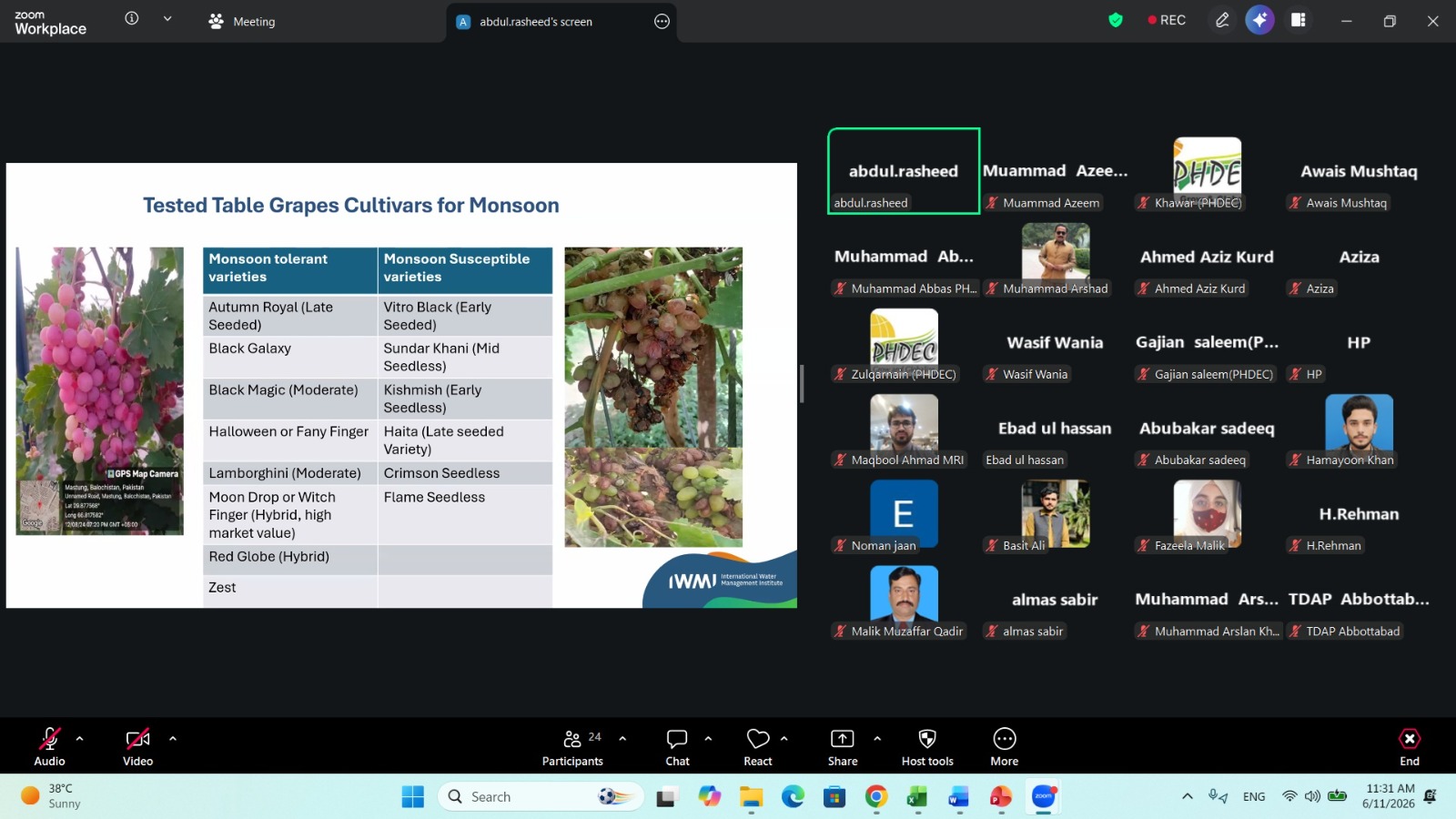
Modern grape farming transformation in Balochistan, Pakistan.
Pakistan’s Grape Industry is entering a major transformation phase as the Pakistan Horticulture Development & Export Company (PHDEC) launches a strategic plan to reduce grape imports and build a climate-resilient export sector. The initiative focuses on Balochistan, which produces most of the country’s grapes but faces major water and climate challenges.
According to experts during a PHDEC webinar held on June 11, 2026, Pakistan currently has no fresh grape exports despite strong production potential. The new plan aims to turn the existing import burden into an export opportunity through advanced farming methods and stronger value chains.
PHDEC Grape Industry Strategy Targets Imports
PHDEC has prepared a roadmap focused on replacing nearly $70 million in annual grape imports from countries including Afghanistan, Iran, China, and Turkey. The company reportedly plans to submit a formal proposal to the Export Development Fund (EDF) under the Ministry of Commerce.
Moreover, the strategy highlights Pakistan’s opportunity in the global grape market, which reached 77.7 million tonnes in 2024. Although local production remains significant, the sector has struggled to enter international fresh markets.
The initiative will support technological improvements, better grape varieties, and farmer-focused solutions. As a result, Pakistan could strengthen its position in the regional agricultural export market.
Balochistan Grape Industry Faces Climate Challenges
Balochistan accounts for more than 98% of Pakistan’s grape production. However, the region faces serious water shortages and climate risks that affect productivity and quality.
Experts stated that water availability in the region is far below the national average. Traditional flood irrigation methods reportedly waste 40–60% of available water, creating additional pressure on farmers.
Furthermore, heavy monsoon rainfall damages thin-skinned grape varieties such as Haita and Kishmishi. Recent surveys showed disease problems reaching high levels in vulnerable varieties, creating the need for stronger alternatives.
PHDEC Promotes Resilient Grape Industry Varieties
Research trials in Mastung and Pishin identified stronger grape varieties, including Moon Drop, Witch Finger, Red Globe, and Autumn Royal. These cultivars showed strong resistance during rain simulation tests.
According to the research findings, these high-value varieties recorded zero to very low disease incidence compared with traditional grapes. Therefore, farmers may gain better opportunities by shifting toward resilient hybrid options.
PHDEC also highlighted grafting trials that helped new varieties reach fruit-bearing maturity quickly. This approach could support faster investment returns and encourage wider adoption among growers.
Modern Farming Supports Grape Industry Growth
PHDEC’s roadmap promotes water-smart agriculture through drip irrigation, trellis systems, and improved vineyard management. Currently, modern irrigation remains limited across grape-growing areas.
Additionally, experts explained that trellis structures and net shading can improve airflow and reduce moisture-related disease risks. These methods may help farmers manage climate pressure more effectively.
The transition toward modern farming could also improve grape quality for export markets. Therefore, technology adoption remains a key part of Pakistan’s future agricultural strategy.
PHDEC Expands Grape Industry Value Addition
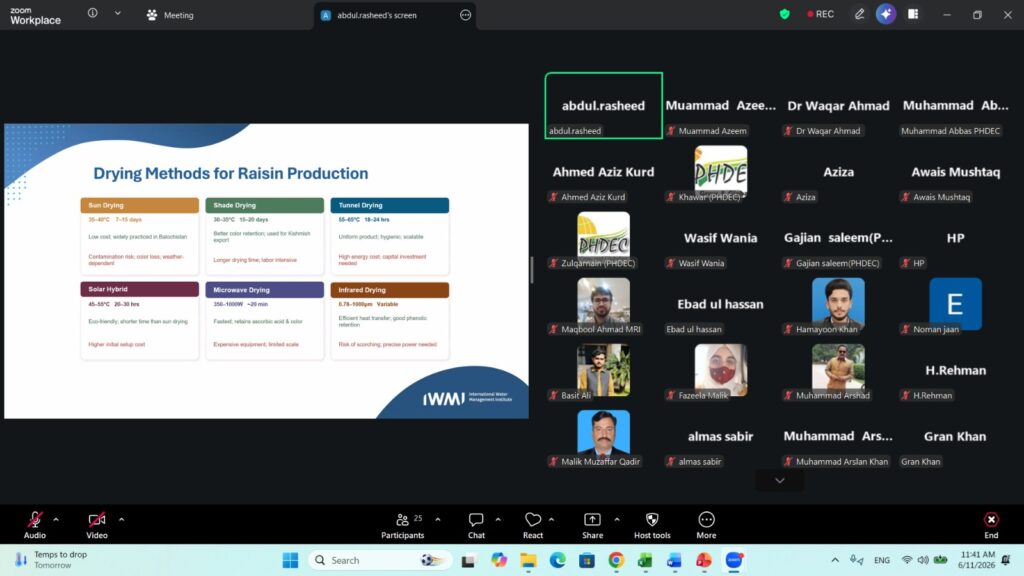
Beyond fresh exports, PHDEC is focusing on value-added grape products to reduce post-harvest losses. The plan includes products such as Pekmez, juices, and export-quality raisins.
The sector currently faces estimated post-harvest losses of 25–30%. However, processed products could provide higher returns and create additional income opportunities for farmers.
PHDEC also aims to strengthen the National Germplasm Unit and establish local multiplication blocks for improved grape plants. These steps could help create a sustainable supply chain for Pakistan’s grape sector.
Pakistan Grape Industry Moves Toward Export Future
The PHDEC initiative reflects a broader effort to modernize Pakistan’s agriculture sector. By combining climate-smart farming, improved varieties, and value addition, the country aims to reduce dependence on imported grapes.
She stated that stronger production systems and export-focused planning could help farmers access new markets. Meanwhile, the success of the program will depend on implementation, investment, and farmer participation.
The evolving Grape Industry strategy shows how Balochistan’s agricultural potential could support Pakistan’s future export growth.