Hezbollah Rejects US-Backed Israel Lebanon Ceasefire Deal
Hezbollah has strongly rejected the terms of a US-backed ceasefire agreement between Israel and Lebanon, casting doubt on efforts to reduce tensions along the border.
MAP Talk Explores Bitcoin And AI Opportunities
The agreement emerged after US-mediated talks involving Israeli and Lebanese representatives. However, Hezbollah did not participate in the negotiations.
Hezbollah Leader Criticizes Ceasefire Proposal
Hezbollah leader Naim Qassem described the negotiations as ineffective and unacceptable. He argued that the proposed arrangement would require Hezbollah to halt attacks and withdraw fighters from southern Lebanon without securing similar commitments from Israel.
Furthermore, he claimed the agreement would serve Israeli objectives and amount to a form of surrender.
Security Zones Planned In Southern Lebanon
Israel and Lebanon recently announced plans to renew their fragile ceasefire through the creation of pilot security zones in southern Lebanon.
Under the proposal, the Lebanese Armed Forces would take exclusive control of designated areas, while non-state armed groups would be excluded. In addition, the arrangement calls for Hezbollah operatives to leave territory between the Israeli border and the Litani River.
However, officials have not released maps or operational details regarding the proposed zones.
Mixed Reactions Inside Lebanon
Residents in Beirut’s southern suburbs, a traditional Hezbollah stronghold, expressed skepticism about the agreement.
Many questioned whether a ceasefire could succeed if military operations and airstrikes continued. Consequently, public opinion remains divided over the proposal and its potential impact.
Fighting Continues Despite Diplomatic Efforts
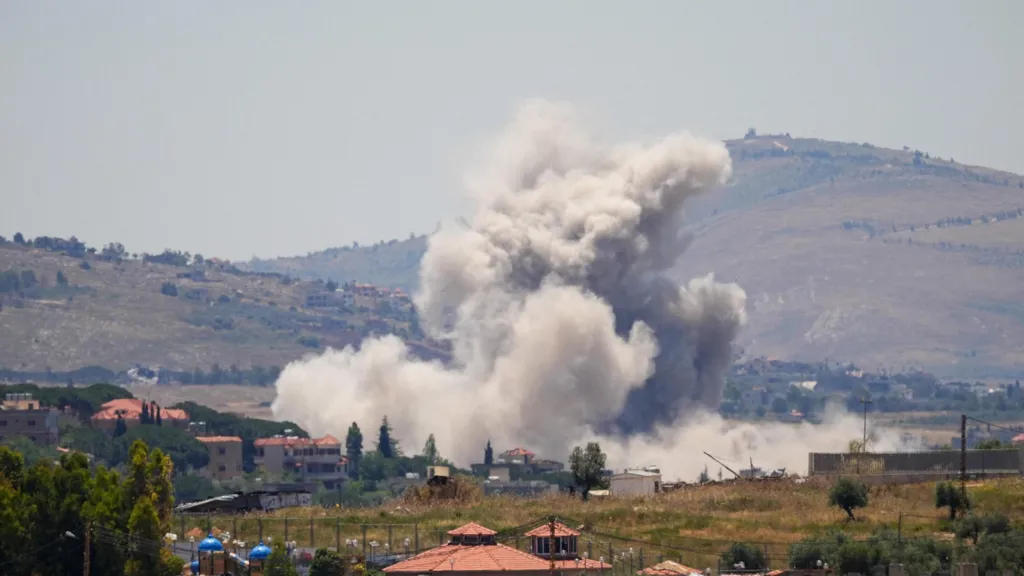
Meanwhile, military activity continued across southern Lebanon. Lebanese media reported several Israeli airstrikes, while Hezbollah claimed responsibility for attacks targeting Israeli troops and military vehicles.
In addition, the United Nations Interim Force in Lebanon (UNIFIL) reported that one peacekeeper died after mortar shells struck a UN position near Marjayoun.
Israeli authorities accused Hezbollah of launching the mortar fire. However, Hezbollah has not publicly commented on the allegation.
Leaders Express Different Positions
Lebanese President Joseph Aoun said the ceasefire could take effect quickly once all parties approve the arrangement.
By contrast, Israeli Defence Minister Israel Katz stated that Israeli forces would continue military operations aimed at dismantling militant infrastructure in southern Lebanon.
Future Talks Planned
Representatives from Israel and Lebanon are expected to meet again on June 22 to continue negotiations and explore the possibility of a broader agreement.
Nevertheless, Hezbollah’s rejection highlights the challenges facing diplomatic efforts to secure a lasting ceasefire and restore stability along the Lebanon-Israel border.