Iran Defiant as Trump Pushes Tougher Nuclear Deal Amid Strait of Hormuz Standoff
A senior commander of Iran’s Islamic Revolutionary Guard Corps (IRGC) has claimed that Tehran has emerged stronger from its confrontation with the United States and its allies, arguing that Washington has failed to achieve its strategic objectives.
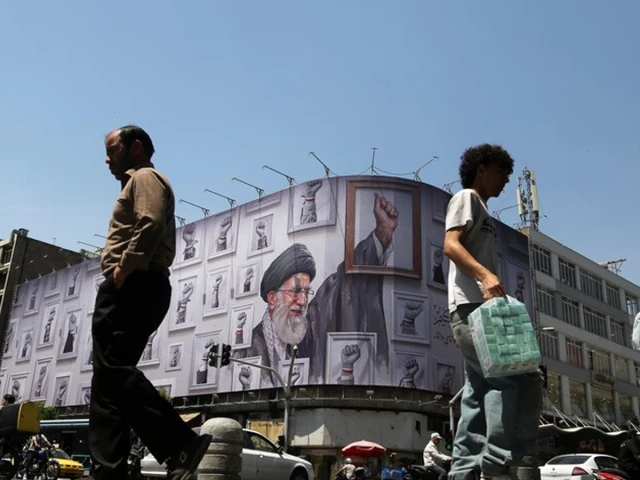
A senior commander of Iran’s Islamic Revolutionary Guard Corps (IRGC) has claimed that Tehran has emerged stronger from its confrontation with the United States and its allies, arguing that Washington has failed to achieve its strategic objectives.
Humnava Unveils ‘Koi Achi Khabar,’ a Soulful Journey Through Hope and Reflection
Speaking to Iran’s state-run IRNA news agency, IRGC Deputy for Political Affairs Yadollah Javani said Iran’s opponents had miscalculated the country’s military capabilities and political resolve.
According to Javani, the goals of Iran’s adversaries included dismantling Tehran’s nuclear programme, neutralising its missile capabilities and ultimately overthrowing the Islamic Republic. He said those objectives had failed, resulting in a shift in regional dynamics in Iran’s favour.
“The United States must decide whether to recognise the rights and demands of the Iranian people or continue down the path of conflict,” he said.
Iran Rejects Deal Without Guarantees
Iran’s Parliament Speaker Mohammad Bagher Ghalibaf said Tehran would not accept any agreement unless it was certain that the rights and interests of the Iranian people were fully protected.
“There is no trust in the enemy’s words and promises,” Ghalibaf said after being re-elected as speaker. “Our only criterion is achieving tangible results before fulfilling our commitments.”
His remarks highlight ongoing mistrust between Tehran and Washington despite reports that negotiations are moving closer to a potential agreement.
Trump Claims Iran Has Agreed to Forego Nuclear Weapons
US President Donald Trump said Iran had provided assurances that it would not pursue nuclear weapons, describing the development as a key condition for any future agreement.
“The one guarantee that I have to have is that there will be no nuclear weapons. They’ve agreed to that,” Trump said during an interview broadcast on Fox News.
However, Iranian officials have repeatedly questioned Trump’s characterisation of the talks and insist that significant differences remain.
Tehran has reportedly demanded access to billions of dollars in frozen assets before engaging in broader negotiations over its nuclear programme. Iranian officials have also rejected claims that their enriched uranium stockpiles would be dismantled as part of an agreement.
Washington Seeks Stronger Terms
Reports from US media outlets suggest that President Trump has requested amendments to a draft agreement negotiated by American and Iranian envoys.
According to Axios, Trump wants tougher provisions regarding Iran’s enriched uranium stockpile, including detailed arrangements for its transfer and oversight.
A White House official said the president would only approve an agreement that satisfies US security concerns and guarantees that Iran can never obtain a nuclear weapon.
Negotiators are expected to continue discussions in the coming days, although both sides acknowledge that a final agreement has yet to be reached.
Iran Says US Must Make Concessions
Ebrahim Rezaei, head of the Iranian Parliament’s National Security and Foreign Policy Commission, argued that Washington is currently negotiating from a weaker position.
While stressing that Iran prefers diplomacy, he said Tehran would not compromise on its core principles and expects concessions from the United States if a deal is to be secured.
He also warned that restrictions affecting maritime trade routes would be resolved either through negotiations or military means.
Strait of Hormuz Remains a Critical Flashpoint
The IRGC Navy said more than 25 commercial vessels, including oil tankers and container ships, had passed through the Strait of Hormuz in the past 24 hours after receiving approval and security coordination from Iranian authorities.
Iran says it has exercised extensive control over the strategic waterway since the outbreak of hostilities earlier this year.
The Strait of Hormuz remains one of the world’s most important energy corridors, carrying approximately one-fifth of global oil shipments. Any disruption to shipping through the route has the potential to affect global energy markets and international trade.
Military Warning from Iranian Commanders
Rear Admiral Habibollah Sayyari, Deputy Chief of the Iranian Army for Coordination, said Iran’s armed forces possess advanced military capabilities and remain prepared to respond to any threat.
Speaking during a visit to Imam Khomeini Naval University, he warned that any attack on Iranian territory would be met with a stronger response than ever before.
His comments underscore continuing tensions in the region even as diplomatic efforts intensify.
Uncertain Path to Agreement
Despite indications that negotiations are progressing, significant obstacles remain. Tehran is demanding economic guarantees and sanctions relief, while Washington is seeking stricter nuclear commitments and assurances regarding regional security.
Both sides have expressed cautious optimism, but officials acknowledge that key issues remain unresolved.
For now, diplomacy continues alongside heightened military rhetoric, leaving the future of any agreement uncertain as the world watches developments in one of the Middle East’s most sensitive geopolitical disputes.