Behtar Qadam Initiative Reaches 64,500 Citizens in Punjab’s First Quarter, Promotes “Nayi Soch” on Family Health
Web Desk May 6, 2026Lahore: The “Behtar Qadam” initiative has completed a successful first quarter, engaging more than 64,500 citizens across all 41 districts of Punjab in awareness activities focused on maternal and child health, family planning, and informed decision-making.
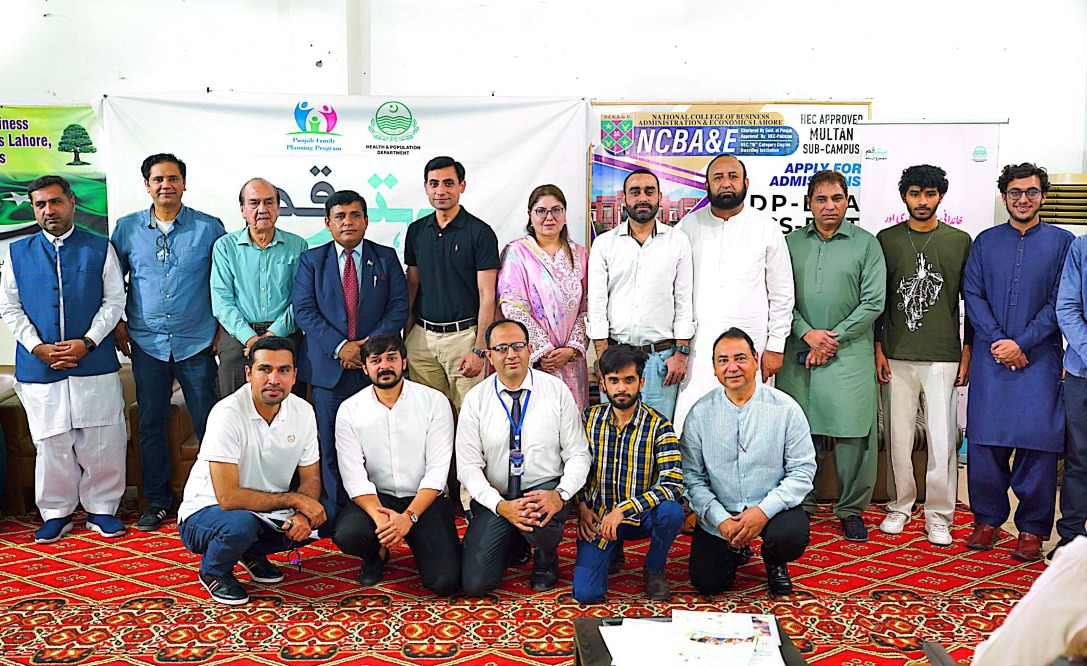
Lahore: The “Behtar Qadam” initiative has completed a successful first quarter, engaging more than 64,500 citizens across all 41 districts of Punjab in awareness activities focused on maternal and child health, family planning, and informed decision-making.
US Signals Near Agreement with Iran on Hormuz Security and Nuclear Framework Deal, Reports Say
Launched under the Punjab Family Planning Program (PFPP) by the Punjab Health and Population Departments, the flagship outreach campaign aims to promote what officials describe as a “Nayi Soch” (new thinking) regarding family wellbeing, birth spacing, and long-term social development.
During the first quarter, the program conducted 485 community-based events, bringing together couples, youth, religious leaders, and civil society members in discussions on reproductive health and responsible family planning. Officials said the initiative is designed as a supportive awareness platform rather than a directive program, focusing on education and community engagement.
The campaign has been implemented in collaboration with Rayn and RIZ Consulting, with an emphasis on empowering young people with health-related knowledge to support informed choices about their future families. Authorities say the initiative seeks to strengthen household stability and contribute to broader economic and social development.
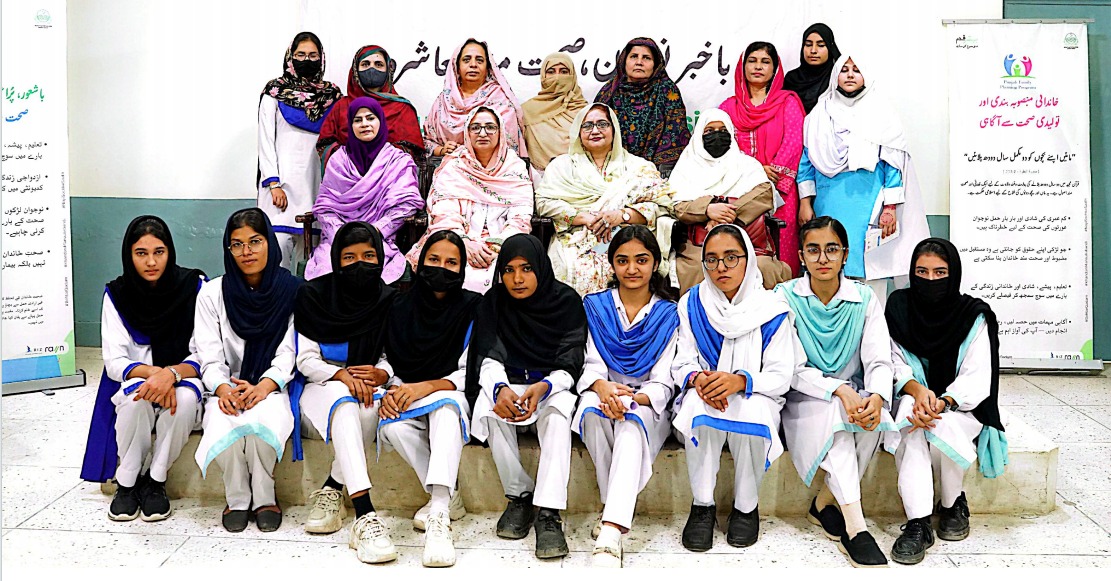
A key highlight of the quarter was a field visit in Multan by representatives of the World Bank, the primary donor of the program, who observed outreach activities and interacted with participants. Speaking at a university session, World Bank Senior Health Economist Dr Jahanzaib Sohail emphasized the importance of birth spacing, stating that awareness in this area can lead to broader positive social outcomes.
The initiative plans to scale up its outreach significantly, with a target of more than 1,293 engagement activities by June 2027. These will include university sessions, community health fairs, family counseling forums, youth discussions, and briefings with religious scholars.
Officials say the long-term objective is to improve maternal and child health indicators while fostering informed decision-making at the household level across Punjab.