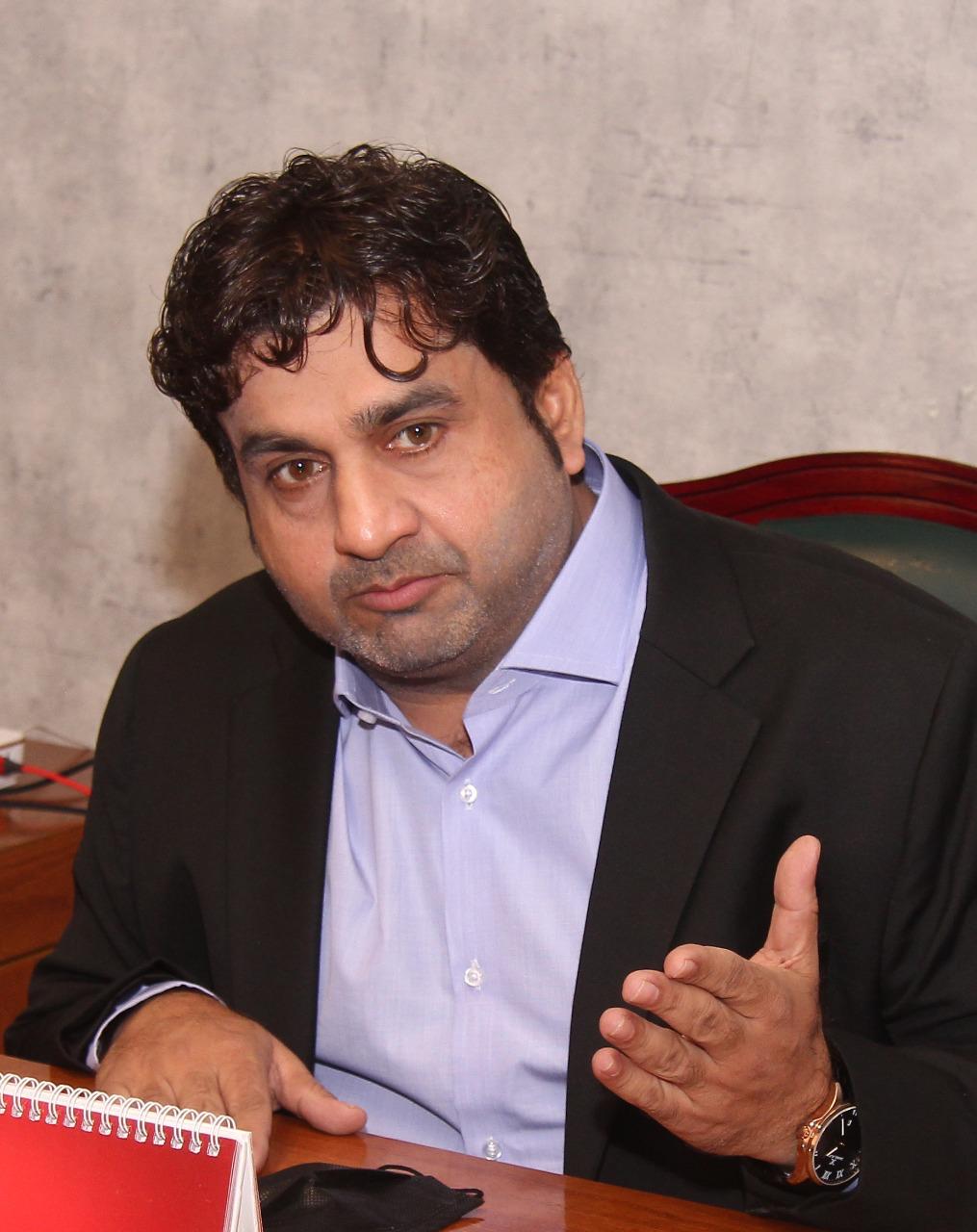
KARACHI: Faisal Moiz Khan, President of the North Karachi Association of Trade and Industry, has strongly criticised the State Bank of Pakistan for increasing the policy rate by one percentage point, warning that the move could severely impact industrial growth at a time when the manufacturing sector is already under pressure.
Soaring Fuel Prices Push Pakistanis Toward Ride-Hailing and Cost-Saving Commutes
In a statement, Faisal Moiz Khan said the rate hike would significantly increase the cost of financing, making it more difficult for businesses to sustain operations. He noted that industrialists are already grappling with high production costs and persistent inflation, and the latest decision would further strain their capacity to operate effectively.
He highlighted that Pakistan’s borrowing costs remain in double digits, in contrast to regional economies where interest rates are largely in single digits. This disparity, he said, is weakening Pakistan’s competitiveness and discouraging both local and foreign investment.
The NKATI chief also pointed to rising petroleum prices as a major contributor to increased industrial costs, stating that the latest hike in interest rates has compounded the challenges faced by manufacturers.
Expressing concern for small and medium-sized enterprises (SMEs), he said the sector—considered the backbone of the national economy—is already facing difficulties in accessing affordable credit. The higher policy rate, he warned, would further restrict financing options for SMEs, potentially leading to reduced economic activity and job losses.
Faisal Moiz Khan also referred to the broader global environment, noting that escalating tensions between the United States and Iran have added to economic uncertainty in the region, including Pakistan.
He said the business community had expected the central bank to maintain or reduce interest rates under such conditions, particularly to support the export sector, which plays a critical role in generating foreign exchange and sustaining economic stability.
Calling for immediate corrective measures, he urged the government and the State Bank to reverse the policy rate increase and reduce petroleum prices to ease the burden on industries. He emphasised that such steps are essential to sustain industrial activity, safeguard employment, and steer the economy toward sustainable growth.