Soaring Fuel Prices Push Pakistanis Toward Ride-Hailing and Cost-Saving Commutes
Web Desk April 28, 2026KARACHI: With petrol prices surging to nearly PKR 393 per litre, urban commuters across Pakistan are rapidly changing how they travel, shifting away from private vehicles toward more economical and flexible transport options.
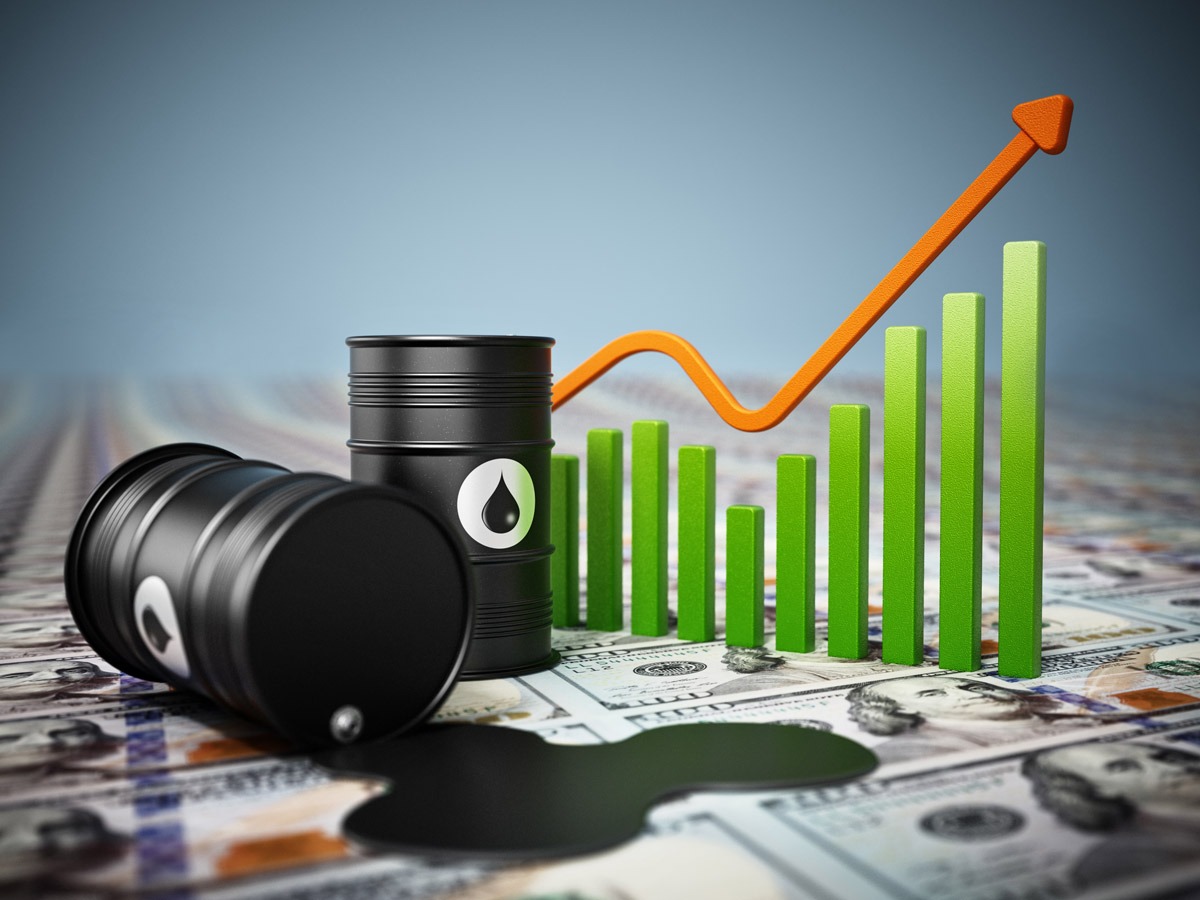
KARACHI: With petrol prices surging to nearly PKR 393 per litre, urban commuters across Pakistan are rapidly changing how they travel, shifting away from private vehicles toward more economical and flexible transport options.
Workers’ Prosperity Key to Pakistan’s Progress, Says Dr Sham Sunder Advani on May Day
In major cities such as Karachi, Lahore, and Islamabad, the rising cost of fuel has made owning and operating a car increasingly unaffordable for many households. As a result, commuters are exploring alternatives that reduce daily travel expenses while maintaining convenience.
A growing number of people are turning to ride-hailing platforms, particularly inDrive, which offers a peer-to-peer pricing model. Unlike conventional services with fixed fares, the platform allows passengers to propose their own fares, with drivers able to accept, reject, or negotiate. This system provides users with greater control over transportation costs at a time when household budgets are under pressure.
For short-distance travel, bike rides have become especially popular due to their affordability and ability to navigate congested urban roads more efficiently. The flexibility offered by such services has made them a preferred choice for students, office workers, and families alike.
Drivers, too, are adapting to the changing economic environment. Many individuals who own cars or motorcycles are increasingly using ride-hailing platforms part-time, offering rides along their daily routes. This approach allows them to offset fuel expenses—sometimes covering a significant portion or even the entirety of their commuting costs.
Industry observers note that ride-hailing continues to play a crucial role in Pakistan’s urban mobility ecosystem. Despite fluctuating fuel prices, demand for such services remains steady, driven by the essential need for daily commuting—whether for work, education, or household responsibilities.
As fuel costs remain high, the shift toward shared and app-based transport solutions appears set to deepen, reshaping how millions of Pakistanis move within cities.