Israeli Airstrikes Hit Southern Lebanon, Kill Civilians Amid Ceasefire Tensions
Israeli Airstrikes Hit Southern Lebanon, Kill Civilians Amid Ceasefire Tensions
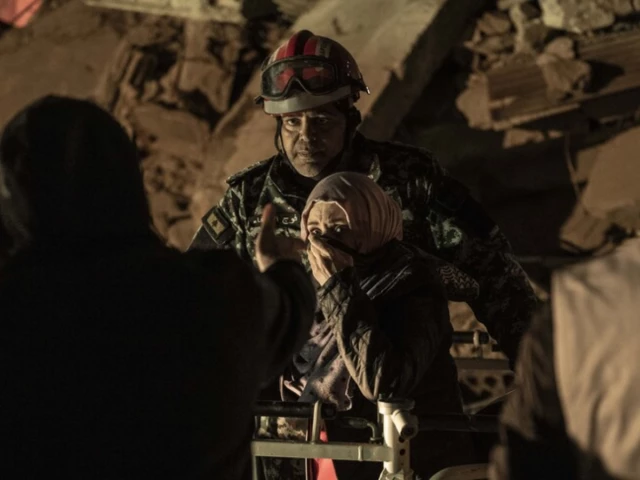
BEIRUT: Israeli warplanes launched a fresh wave of airstrikes across southern Lebanon early Saturday, killing at least three people and causing widespread destruction, according to the country’s state-run National News Agency (NNA).
Pakistan Cuts Fuel Prices as Global Oil Eases After US-Iran Ceasefire
A residential building in the town of Mefdoun in Nabatieh governorate was completely destroyed in the strikes. Several other buildings were also hit, including structures on Martyr Sabra Street and in the Maqam neighbourhood.
In the town of Jebchit, an airstrike targeted a private electricity generator facility, setting it ablaze and knocking out power infrastructure. Additional strikes were reported near a government hospital in Tibnin and a power station in the south, further worsening the humanitarian situation.
The latest attacks come as Israel continues an expanded military campaign in southern Lebanon following cross-border hostilities with Hezbollah that began on March 2, despite a ceasefire framework in place since late 2024.
A day earlier, at least 28 people were killed in Israeli strikes across Lebanon, including security personnel, with heavy damage reported near government installations in Nabatieh.
The Iran-backed group Hezbollah said it responded by launching rockets and drones at Israeli positions in northern Israel, including Kiryat Shmona and Ya’ara barracks.
Diplomatic efforts underway
Amid escalating violence, the United States is pushing forward diplomatic efforts. A US State Department official confirmed that Washington will host direct talks between Israel and Lebanon next week as part of ongoing ceasefire negotiations.
However, conflicting narratives persist. Lebanese officials described the upcoming meeting as “preparatory,” while Israel indicated it could mark the beginning of formal peace negotiations, though it has refused to include Hezbollah in ceasefire discussions.
The renewed violence also threatens to undermine broader regional diplomacy, including recent ceasefire efforts involving Iran and the United States.
Regional tensions rise
The situation remains volatile as Iran continues to assert its position on key issues, including sanctions relief and control over the Strait of Hormuz, a vital global energy route. Ongoing disruptions in the strait have already contributed to rising inflation and economic uncertainty worldwide.
Meanwhile, Iran’s Supreme Leader Mojtaba Khamenei has taken a firm stance, warning that those responsible for attacks on Iran would face consequences and demanding compensation for wartime damages.
With continued strikes, retaliatory attacks, and fragile diplomatic efforts, the conflict in Lebanon risks further escalation, casting uncertainty over peace prospects in the region.