Trump Weighs Ground Operation on Kharg Island Amid Strategic Concerns
US President Donald Trump is reportedly considering a potential ground operation to seize Iran’s strategic oil hub, Kharg Island, a move that analysts warn could put US troops at significant risk and potentially prolong the ongoing conflict.
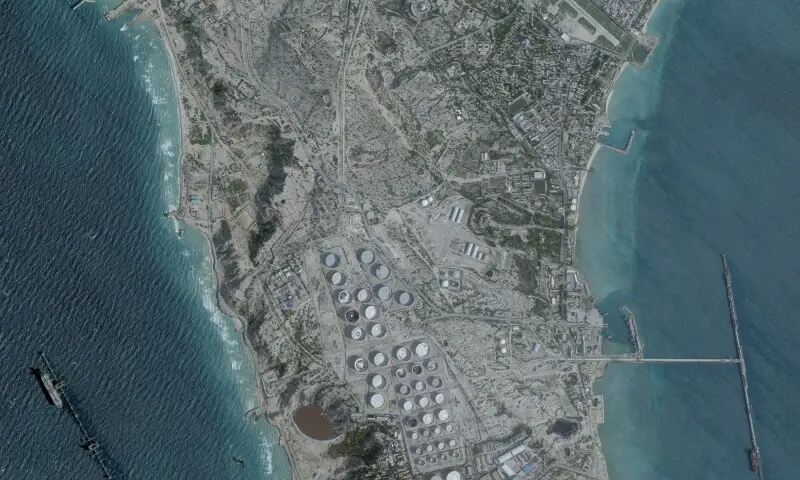
US President Donald Trump is reportedly considering a potential ground operation to seize Iran’s strategic oil hub, Kharg Island, a move that analysts warn could put US troops at significant risk and potentially prolong the ongoing conflict.
IHC Schedules Hearing for Imran Khan, Bushra Bibi’s Al-Qadir Trust Appeals on March 31
Kharg Island is located about 16 miles off Iran’s northern Gulf coast and roughly 300 miles northwest of the Strait of Hormuz. Its deep waters allow tankers too large for Iran’s shallow coastal ports to dock, and the island handles nearly 90 percent of Iran’s oil exports. Capturing Kharg could give the US the ability to disrupt Iran’s energy trade, applying intense economic pressure on Tehran, the third-largest producer in the OPEC.
In mid-March, US forces carried out strikes against the island, which President Trump described as “totally obliterating” Iranian military targets. Officials have indicated that the administration is evaluating whether to deploy ground troops, including contingents of Marines expected by the end of the month and potentially thousands of airborne troops to provide operational flexibility.
While analysts suggest that US forces could seize the island relatively quickly, the move is unlikely to deliver a decisive victory. Experts warn that occupying Kharg would expose American troops to drone and missile attacks, including small “first-person view” drones similar to those used extensively in Ukraine. Graphic footage of casualties could also be leveraged by Tehran as propaganda.
Additionally, Iran may respond by laying more mines in the Gulf, further threatening shipping and complicating regional trade. Former US Central Command commander Joseph Votel noted that although only 800 to 1,000 troops would be needed on the island, significant logistical support would be required, making the operation highly vulnerable.
Analysts suggest that while capturing Kharg Island could provide leverage in negotiations, including pressure to reopen the Strait of Hormuz, it risks extending the conflict and exposing US forces to considerable danger, with limited long-term tactical advantage.