US Tariffs widen as Trump imposes new duties on 60 trading partners over forced labour concerns
The United States has introduced fresh import tariffs of up to 12.5% on 60 major trading partners, intensifying global trade tensions while urging stricter enforcement against goods linked to forced labour.
Shipping containers at a major port as the US announces new global tariffs.
The United States has imposed new import tariffs on 60 of its largest trading partners after a temporary global levy expired following a US Supreme Court ruling that struck down several earlier tariffs.
The new measures introduce duties ranging from 10% to 12.5% on imports from countries including the United Kingdom, China, the European Union, Canada, Japan, India, Australia, and Brazil. US officials say the tariffs target countries that have failed to effectively prevent the import of goods produced through forced labour.
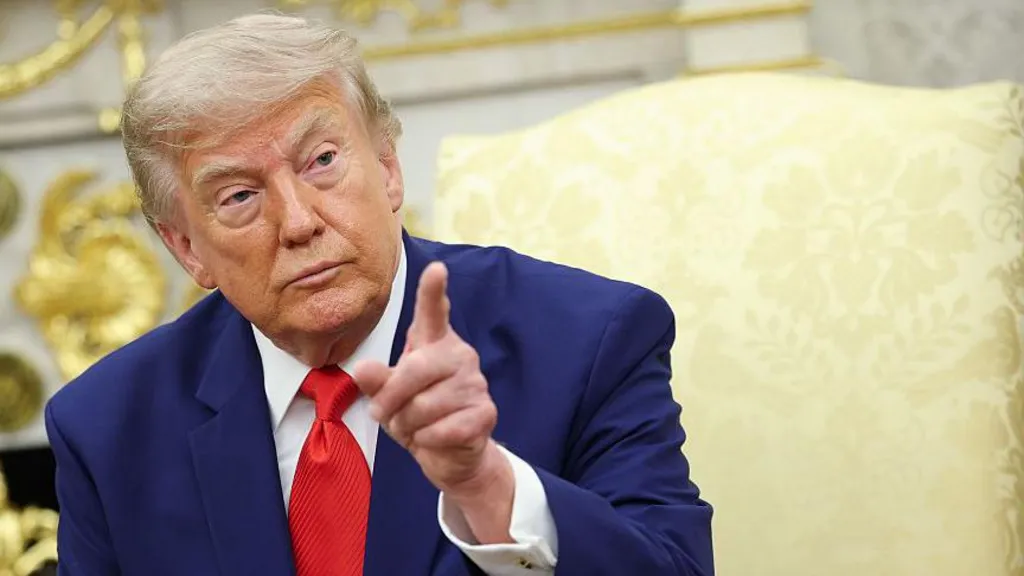
The decision marks the latest escalation in President Donald Trump’s trade strategy since returning to the White House. Earlier this year, the US Supreme Court ruled that many tariffs imposed under emergency powers had been enacted unlawfully, forcing the administration to seek alternative legal mechanisms.
US Trade Representative Jamieson Greer confirmed that the tariffs have now taken effect under Section 301 of the Trade Act of 1974, which allows Washington to respond to foreign trade practices that burden American commerce.
Greer said the action aims to address both human rights abuses and unfair trade practices by encouraging trading partners to ban products made with forced labour.
According to the Office of the US Trade Representative, the new tariffs apply to the country’s top 60 trading partners, representing 99.4% of total US imports.
Countries that have committed to adopting and enforcing bans on forced labour imports will face a 10% tariff, while those that have not made such commitments will be subject to the higher 12.5% rate.
The White House said preventing imports linked to forced labour has become a key requirement in reciprocal trade agreements. It added that ten trading partners have already agreed to introduce such restrictions, while others have strengthened their policies following recent US investigations.
The administration has also continued using other trade laws to expand its tariff agenda. Earlier this week, it imposed a separate 50% tariff on selected Canadian products under Section 338 of the Tariff Act of 1930.
Trade experts believe the latest measures demonstrate Washington’s determination to continue its tariff-based economic strategy despite previous legal setbacks.
Deborah Elms, head of trade policy at the Hinrich Foundation, said many countries would struggle to prove they have sufficient safeguards against forced labour in global supply chains.
Meanwhile, Wendy Cutler, Vice President of the Asia Society Policy Institute, warned that the tariffs could increase costs for businesses and consumers, although exemptions on certain goods may soften the overall economic impact.
She also suggested many affected countries could reduce their dependence on the US market by expanding trade partnerships elsewhere.
Business leaders in the United Kingdom expressed concern over the new policy. William Bain, Head of Trade Policy at the British Chambers of Commerce, said British exporters now face a weaker competitive position than European Union businesses, which secured a more favourable tariff arrangement.
Several countries have strongly criticised Washington’s latest move.
Brazil described the tariffs as “arbitrary” and “unjustified”, accusing the United States of using workers’ rights to justify protectionist trade policies. The Brazilian government said it would consider retaliatory measures under its reciprocity law while exploring stronger trade ties with other partners.
Japan also expressed regret over the decision, insisting its trade practices comply with international rules. Australia’s Trade Minister Don Farrell called the tariffs “completely unjustified” and pledged to continue discussions with Washington to remove the duties.
China again rejected allegations of forced labour, saying such claims are politically motivated. However, several international human rights organisations continue to report evidence of forced labour involving Muslim minorities in China’s Xinjiang region.
Tariffs remain a central pillar of President Trump’s economic agenda. Since returning to office, he has repeatedly argued that higher import duties protect American industries, strengthen domestic manufacturing and create jobs.
The administration is also investigating 16 additional countries over alleged manufacturing overcapacity, raising the possibility of further tariffs in the coming months.