TDAP Seminar Series Boosts Sesame and Maize Export Drive Across Punjab
Five-day programme equips farmers, exporters and agriculture officials with modern practices to improve crop quality, expand exports and meet international market standards.
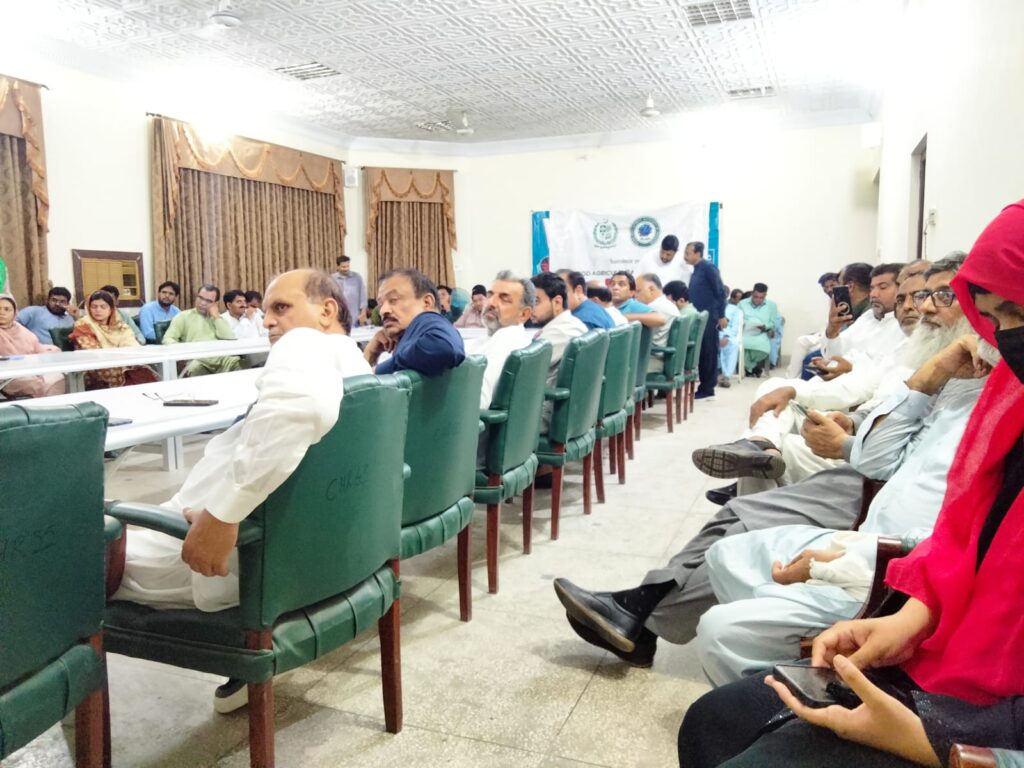
TDAP officials address farmers and exporters during the export promotion seminar in Punjab.
The TDAP Seminar series on Export Promotion and Good Agricultural Practices for sesame seeds and maize concluded on Friday after a five-day programme held across Punjab to strengthen Pakistan’s agricultural exports and improve compliance with international quality standards.
Organised by the Trade Development Authority of Pakistan (TDAP) in collaboration with the Pest Warning and Quality Control of Pesticides Wing of the Punjab Agriculture Department, the seminars took place in Okara, Sahiwal, Khanewal, Vehari and Layyah from July 27 to 31. The initiative brought together farmers, exporters and agricultural extension officers, who received technical training on pre- and post-harvest management to help produce meet global export requirements.
Rotary Club Karachi Avenue Marks New Leadership at Joint Installation Ceremony
After more than 100 words, the TDAP Seminar highlighted a major breakthrough for Pakistan’s maize exports. Director General Agro and Food Division, Athar Hussain Khokhar, informed participants that the General Administration of Customs of China had approved the Protocol of Phytosanitary Requirements for maize imports from Pakistan. He described the agreement as a significant opportunity to diversify export markets beyond Vietnam, Sri Lanka, the Philippines, Malaysia and Afghanistan, while urging growers and exporters to fully comply with registration, traceability and phytosanitary certification requirements.
Technical experts stressed that maintaining international standards requires harvesting fully mature crops, ensuring immediate threshing and drying, reducing moisture levels before storage, improving warehouse ventilation and adopting integrated pest management alongside responsible pesticide use.
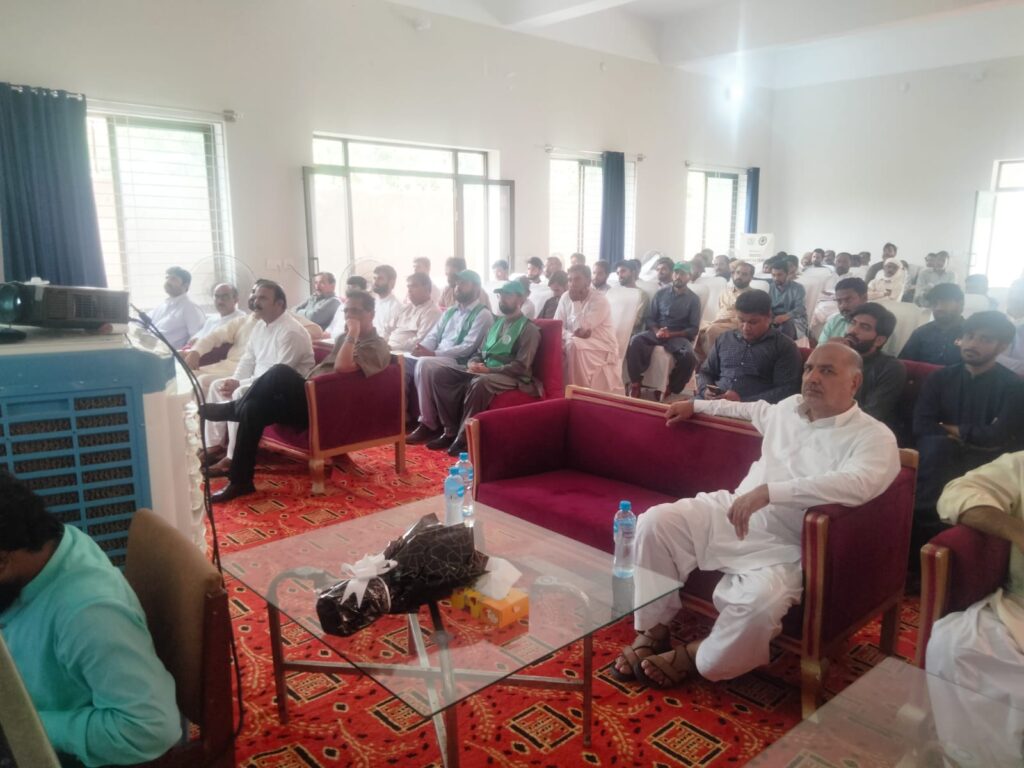
The seminars also focused on sesame, one of Pakistan’s leading export crops, with nearly 90 percent of domestic production shipped overseas. Officials said sesame exports reached $372.45 million and 318,000 tonnes during the 2024-25 fiscal year, with China remaining the largest buyer, followed by Kazakhstan, South Korea and several other international markets.
Experts introduced climate-resilient NIAB sesame varieties, including NIAB Sesame-2016, NIAB Pearl and NIAB Millennium, which offer higher yields, disease resistance, white seed colour and oil content close to 50 percent. They described sesame as a profitable, drought-tolerant crop suitable for rain-fed farming areas and crop rotation systems.
TDAP also encouraged value addition through sesame oil extraction, high-protein seed cake production and joint ventures with Chinese and other international investors. Khokhar noted that Pakistan’s sesame exports are increasingly reaching premium markets, with shipments to South Korea rising from $3 million to $25 million over the past three years. Exports to the United States also reached $14 million during the last fiscal year.
Trade missions from China, Vietnam, Malaysia, Sri Lanka, Kazakhstan, Uzbekistan and Türkiye joined the seminars virtually to share market intelligence and buyer requirements. TDAP said the initiative reinforces its commitment to improving coordination between farmers, researchers, exporters and regulators to strengthen Pakistan’s position in global agricultural markets.