Stray Dogs in Karachi: Rising Bite Cases Raise Questions Over Public Safety
Residents call for an effective strategy to control the stray dog population, improve access to anti-rabies vaccines and protect vulnerable citizens
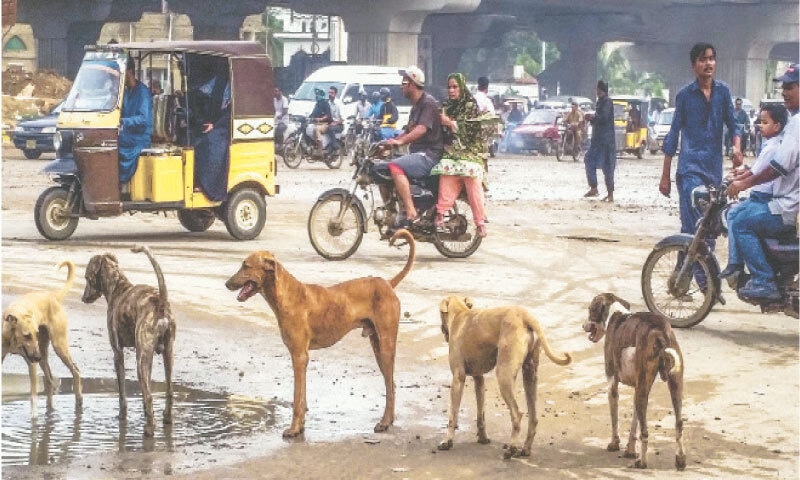
Karachi residents call for action on stray dogs, dog-bite incidents and anti-rabies vaccine availability.

The proliferation of dogs in Karachi has become a source of distress for citizens, raising the question of accountability. With a population of approximately 40 million—comprising people of diverse ethnicities and backgrounds—Karachi has effectively grown into the size of a nation, bringing with it a host of escalating problems. The city is witnessing a continuous rise in the dog population and a corresponding increase in dog-bite incidents. Across all areas of the city, women, children, and the elderly are the most frequent victims; a dog bite affects the entire household. A major reason for this situation is the opposition from animal rights organizations against culling dogs, which has led the Karachi Metropolitan Corporation (KMC) to halt anti-dog campaigns for a long time. Furthermore, vaccines are either unavailable or in critically short supply at both public and private hospitals, leading to a rise in fatalities. Addressing these issues on a localized, area-specific basis could offer a viable solution.
It has frequently been observed that bites from rabid dogs roaming the streets can lead to numerous fatalities. The elderly, who are unable to run or escape, are particularly vulnerable to these attacks. The scale of the problem is immense; in 2025 alone, over 260,000 incidents have been recorded. The issue of stray dogs in Sindh is no longer confined to specific neighborhoods or cities; it has become a serious public health crisis. The fundamental questions remain: why is the dog population increasing, and why are the responsible authorities failing to take effective action? Local councils have a defined role in managing stray animals, and the Sindh Local Government Act provides the legal framework for capturing them. I urge the Sindh Provincial Health Minister to formulate a clear strategy and—in consultation with human rights organizations and the Karachi Metropolitan Corporation—address this critical issue by launching a dog-culling campaign and ensuring the availability of vaccines in as many hospitals as possible. Captured dogs should either be relocated to open areas far from urban centers or culled; the unchecked presence of dogs in neighborhoods and residential areas poses a threat to human lives, and protecting those lives is the government’s responsibility.