
Sindh Moves to Ease Industrial Bottlenecks With One-Window System and Land Reforms
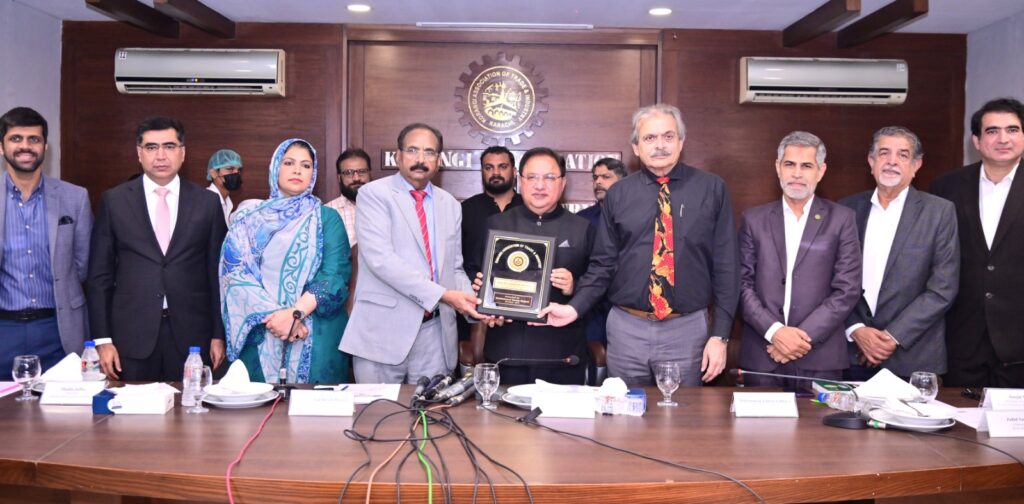
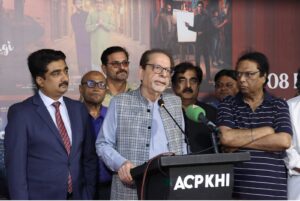
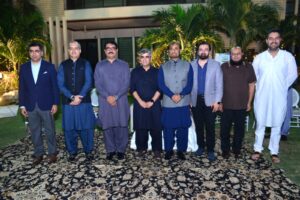
KATI leaders present a shield to Sindh Industries Minister Jam Ikramullah Dharejo during his visit to the association
The Sindh government is working on reforms to address longstanding problems faced by the industrial community, including a one-window operation, greater autonomy for industrial zones and amendments to laws governing industrial land.
Sindh Minister for Industries and Commerce Jam Ikramullah Dharejo shared the plans during a visit to the Korangi Association of Trade and Industry (KATI).
KATI President Muhammad Ikram Rajput, Deputy Patron-in-Chief Zubair Chhaya, KITE Limited Chairman Zahid Saeed and other industrialists attended the meeting.
The minister said the government wants to make industrial operations easier. He added that officials are reviewing the roles of several departments linked to industrial affairs.
Sindh Plans One-Window System for Industry
Dharejo said the government is developing a one-window mechanism for industrialists.
The proposed system would reduce the need to visit different government departments. It would also bring approvals and other industrial matters under a more coordinated process.
Further meetings will take place before the government finalises the mechanism.
The minister said the provincial government stands with the industrial community. He also promised additional resources to improve infrastructure in industrial areas.
Sindhi Theatre Festival 2026 Opens in Karachi With Eight Plays
Sindh has already provided KATI with a grant of Rs2 billion. Dharejo urged the association to use the funds before the end of the current financial year.
He said the government could provide more funding in the next financial year after receiving a formal request.
Government Seeks Changes to Industrial Land Laws
Industrial land remains another major challenge for businesses in Sindh.
Dharejo acknowledged problems related to land records and other administrative matters. He said the government wants to give industrial zones greater autonomy.
The provincial administration is also working on proposed amendments to the Land Act.
“I would like industrialists to be provided land free of cost,” Dharejo said.
He acknowledged the financial and administrative challenges involved. However, he said industrial land should at least remain affordable and reasonably priced.
According to the minister, affordable industrial land could attract investment. It could also help create employment opportunities across the province.
He said the government would share further developments on the proposed Land Act amendments soon.
KATI Calls for Greater Industrial Autonomy
KATI President Muhammad Ikram Rajput urged the minister to play a stronger role in supporting industrialists.
Rajput said businesses need government support to address problems involving provincial and local government institutions.
He called for an empowered autonomous committee to handle provincial taxes and other industrial matters through a single-window system.
Rajput also proposed a permanent liaison committee between industrialists and the Sindh government.
The committee could hold regular meetings and set clear timelines for resolving outstanding issues.
He said Karachi’s industrial areas face major infrastructure needs. Government resources alone may not be enough to address them.
Rajput therefore called for greater use of public-private partnerships.
Calls to Develop Korangi as Model Industrial Zone
Rajput urged the Sindh government to develop the Korangi Industrial Area as a model industrial zone.
He said such a move could encourage investment and strengthen industrial activity in Karachi.
According to Rajput, existing development funds remain insufficient for the scale of infrastructure problems.
He described the condition of roads and drainage systems in Korangi as poor. The industrial area also needs better street lighting and other basic facilities.
Rajput called for immediate rehabilitation work across the zone.
He also urged authorities to modernise technical and vocational training centres.
Many of these facilities, he said, operate from outdated buildings.
Rajput proposed that KATI manage the training centres while the Sindh government provides funding. He said this model could help industries secure the skilled workers they need.
Industrialists Seek Greater Control Over Land
KATI Deputy Patron-in-Chief Zubair Chhaya said industrialists in Korangi had not reported complaints of extortion.
However, he said businesses face growing difficulties because of the actions and delays of different government agencies.
Chhaya also pointed to coordination problems among town chairmen affiliated with different political parties.
According to him, these issues can delay routine work in the industrial area.
He called for an autonomous body for KATI with strong representation from industrialists.
Such a body, he said, should have a role in land control and administration of the industrial zone.
Chhaya argued that direct participation by industrialists could speed up decisions. It could also improve the use of resources.
Karachi Accounts for Half of Pakistan’s Exports
KITE Limited Chairman Zahid Saeed highlighted Karachi’s importance to Pakistan’s economy.
He said Karachi accounted for around 50% of the country’s exports during the year.
Saeed therefore described the Sindh Industries and Commerce Department as particularly important for the provincial economy.
He thanked the Sindh government for releasing development grants for industrial zones.
Saeed said efforts were underway to document development activities in the Korangi Industrial Zone. The process would create a transparent record of how funds were used and what results they produced.
He stressed that authorities should consider the actual needs of industrial areas when allocating development funds.
Saeed also proposed studying successful industrial models in Punjab. Sindh could then adapt suitable elements to its own requirements.
He said effective implementation could increase industrial production, investment and employment. It could also boost tax revenues and exports.
Mehran Town Proposed as Cottage Industrial Zone
KATI Standing Committee Chairman Masood Naqi highlighted the rapid expansion of cottage industries in Mehran Town.
He said the area currently lacks a formally designated cottage industrial zone.
Naqi proposed officially declaring Mehran Town a cottage industrial zone. He also called for better facilities for small and medium-sized businesses.
He urged the government to address several issues through an integrated policy.
These include infrastructure, land records, taxation, utility services, government approvals and workforce training.
Sindh Seeks More Gas and Coal for Local Industry
Dharejo also called for Sindh’s gas and coal resources to be supplied to industries within the province.
He said industries should receive these resources on a priority basis and at affordable rates.
The minister also assured KATI that he would hold discussions with the Transport Department over concerns linked to the Yellow Line project.
He said the government would seek to resolve the issues through consultation with the industrial community.
The meeting ended with calls for stronger coordination between the Sindh government and industrial stakeholders.
Both sides stressed the need for better infrastructure, streamlined approvals and greater industrial autonomy.
The proposals could help improve the business environment in Karachi if the planned reforms receive effective implementation.