PSX, UNICEF and PBC Ring the Bell for Children on World Children’s Day
The launch of a new report assessing 98 listed companies highlights gaps in corporate reporting on children’s rights and calls for stronger ESG commitments.
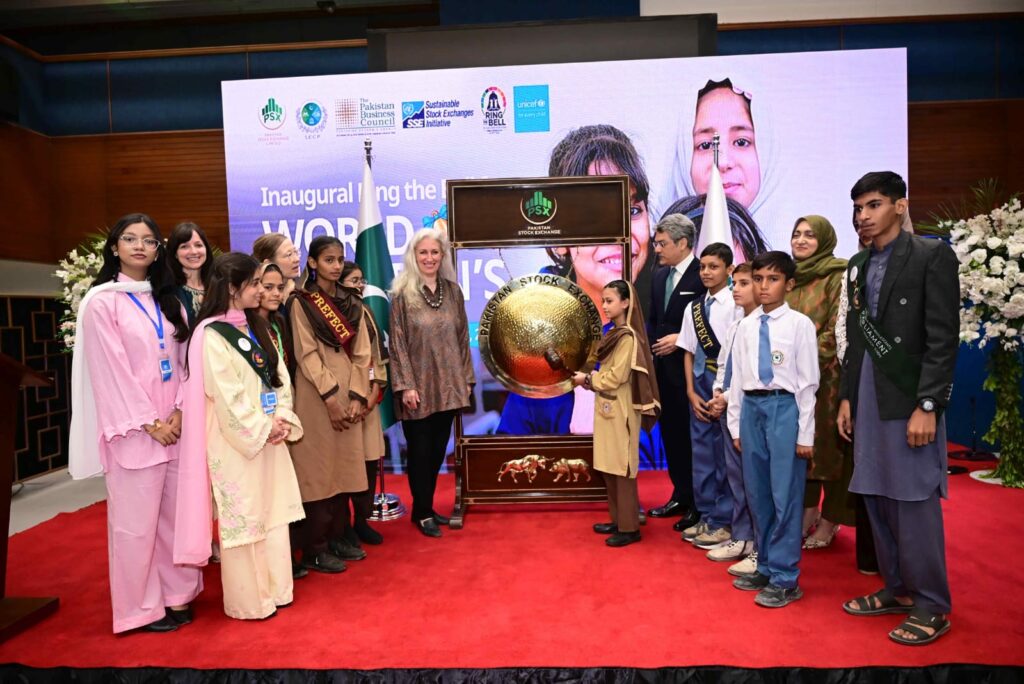
PSX, UNICEF and PBC mark World Children’s Day with a call for stronger corporate commitments.
The Pakistan Stock Exchange (PSX), UNICEF and the Pakistan Business Council (PBC) have joined forces to promote children’s rights.
The organisations held a Ring the Bell for Children ceremony at PSX on World Children’s Day. They urged businesses to place children’s rights at the heart of their decisions and policies.
The ceremony formed part of a global campaign led by UNICEF and the United Nations Sustainable Stock Exchanges (UN SSE) initiative. Stock exchanges in 25 countries across five continents participated. The campaign encourages businesses and investors to consider children’s rights in their decisions and practices.
Report assesses 98 listed companies
The event also marked the launch of Making Children Count: Sustainability Reporting in Pakistan. The report assesses 98 PSX-listed companies against 29 indicators. These indicators cover children’s rights and business.
The findings show that 78% of the companies reported community investments benefiting children. However, children remain less visible in several areas of corporate reporting.
These include governance, human rights due diligence and workplace practices. Other gaps concern supply chains, products and services. Climate and environmental considerations also receive limited attention.
Only 3% of the companies explicitly disclosed a commitment to respecting children’s rights.
Syngenta Group Plans to Introduce Advanced Seed Technologies in Pakistan
The report urges businesses to build on their existing investments in children. It recommends integrating children’s rights into core business strategies and environmental, social and governance (ESG) practices.
The recommendations come as the Securities and Exchange Commission of Pakistan (SECP) moves towards phased mandatory ESG reporting. These requirements are expected to begin in 2029. This transition offers an opportunity to give children’s rights greater visibility in corporate reporting.
UNICEF highlights business impact on children
“Pakistan is home to 112 million children, who are the employees, entrepreneurs, consumers and business leaders of tomorrow,” said Pernille Ironside, UNICEF Representative in Pakistan.
She stressed that business decisions affect children long before they enter the workforce. These impacts extend to their parents’ working conditions, the products they use and the food they consume.
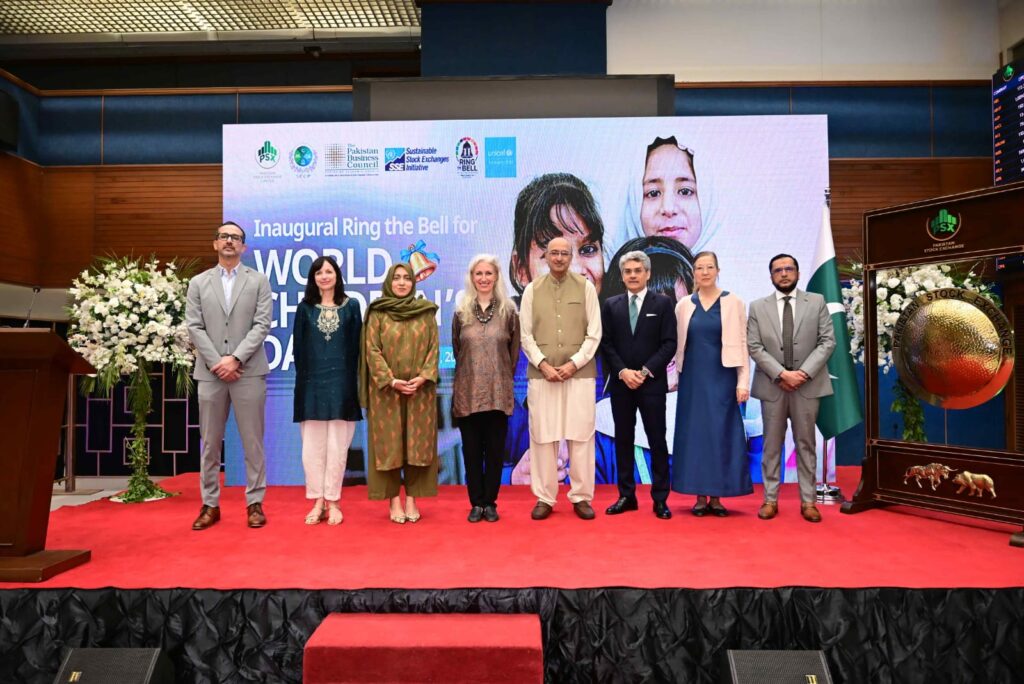
Businesses also influence the digital environments children navigate. Their decisions can shape the communities where children grow up. These factors affect their health, development and opportunities.
PSX CEO Farrukh H. Sabzwari highlighted the role of capital markets. He said they can promote transparency, responsible corporate conduct and long-term value creation.
“Recognizing children’s rights within the sustainability agenda is an important part of this responsibility,” he said.
Sabzwari also referred to the PSX Sustainability Index. He said engagement with listed companies creates opportunities to raise awareness. It can also strengthen the inclusion of children’s rights in corporate sustainability practices.
Report calls for stronger corporate accountability
The report calls on businesses to integrate children’s rights into their strategies and ESG practices. It also highlights the responsibilities of regulators, stock exchanges and investors.
These stakeholders can provide guidance and strengthen accountability. They can also encourage companies to identify and address their impacts on children.
The World Children’s Day ceremony brought businesses, financial markets and other stakeholders together. Its message was clear: protecting children’s rights is everyone’s responsibility.
Boardroom decisions, workplace policies and supply chains all affect children. Investment decisions also shape their opportunities. Every sector has a role in putting children first and building a better future.