Pakistan Plans to Use Idle LNG Terminal Capacity for Power Plants
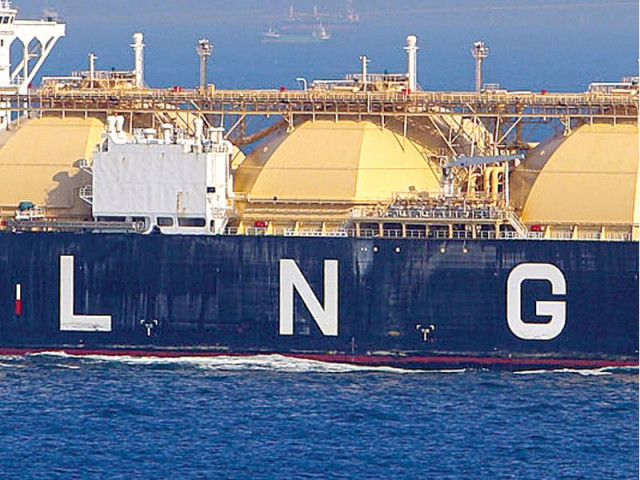
Pakistan plans to use idle LNG terminal capacity to support power generation.
The government plans to use idle capacity at Pakistan’s LNG terminals to support power plants facing gas shortages.
The move comes as the country experiences electricity outages amid reduced gas availability.
The government is preparing an amendment to the LNG policy. The change would allow power plants to use unused terminal capacity to import LNG for their own requirements.
Government Seeks Better Use of LNG Terminals
Pakistan currently has two LNG terminals. However, significant capacity has remained unused.
Pakistan LNG Limited (PLL) has so far controlled access to the terminals and their unused capacity.
The state-owned company has not been able to fully utilise the available capacity.
Gas consumers have continued to pay capacity charges for the terminals. Yet, private companies have had limited access to the unused capacity.
The government now wants to change this arrangement.
LNG Supplies Hit by Regional Conflict
Pakistan is facing additional pressure because LNG supplies have slowed.
PSX Falls 825 Points as Middle East Tensions Weigh on Investors
The Strait of Hormuz has faced disruption amid the ongoing US-Iran conflict. The route is important for regional energy shipments.
Qatar has also been unable to deliver some contracted LNG cargoes.
PLL has arranged several spot LNG cargoes. These shipments came at significantly higher prices.
The Petroleum Division has proposed a new mechanism for unused terminal capacity.
Under the proposal, SSGC would manage the first terminal. PLL would manage the second terminal.
The entities would auction available capacity for a specified period and quota.
The regulator would determine the period and quota. The decision would consider domestic demand and Pakistan’s LNG import plans.
Consumers Continue Paying Capacity Charges
Consumers have been paying more than $200,000 per day in capacity charges to LNG terminals.
However, government entities have not always been able to arrange sufficient LNG supplies.
The terminals operate under a model similar to independent power producers (IPPs).
Their capacity remains available under contractual arrangements with the government.
This has created a situation where terminal capacity is available. At the same time, gas imports have remained limited.
Qatar Deal Also Affected LNG Availability
Pakistan had already agreed with Qatar to divert 24 LNG cargoes during the current year.
The decision followed lower domestic gas demand.
Demand later increased after the US-Iran conflict began.
However, Qatar subsequently suspended some cargo supplies amid the regional disruption.
The change has increased pressure on Pakistan’s energy supply system.
Two LNG Terminals Operate in Pakistan
Pakistan currently operates two LNG terminals.
The government has contracted 630 million cubic feet per day (mmcfd) of regasification capacity at the second terminal.
Its peak capacity is around 690 mmcfd.
The contracted capacity is available on a reasonable-efforts basis when required.
The terminal has a daily delivery capacity of about 630 mmcfd.
Third-Party Access Rules
The unused capacity could be offered to private companies under Clause 6.2(a) of the LNG Policy 2011.
The policy provides for third-party access to LNG terminals and related facilities.
Under regulated third-party access, companies can use terminal facilities through published or negotiated tolling tariffs.
The system is designed to promote competition and prevent discriminatory access.
Public-sector tolling tariffs require approval from the Oil and Gas Regulatory Authority (OGRA).
Some terminals may be exempt from regulated third-party access.
This applies when facilities are developed for dedicated or self-use.
Access to such facilities can instead operate under negotiated third-party access arrangements.
The proposed policy change could give power producers greater access to unused LNG capacity. It could also help the government respond to gas shortages affecting electricity generation.