Pakistan Emerges as Key Mediator as US–Iran Talks Show Signs of Progress Amid Rising Gulf Tensions
Web Desk April 22, 2026Islamabad: Fresh diplomatic momentum appears to be building between the United States and Iran, with indications that a second round of talks—facilitated by Pakistan—could take place within the next few days, even as tensions remain high in the Gulf region.
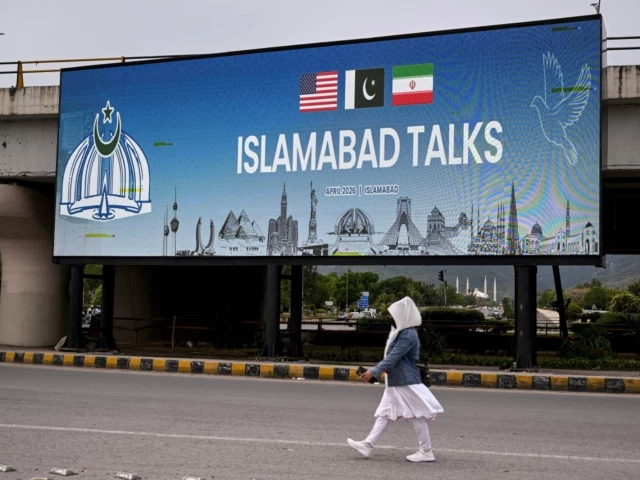
Islamabad: Fresh diplomatic momentum appears to be building between the United States and Iran, with indications that a second round of talks—facilitated by Pakistan—could take place within the next few days, even as tensions remain high in the Gulf region.
Pakistan Steel Cadet College Karachi Opens First-Year Admissions
According to a report by The New York Post, optimism is growing in diplomatic circles after U.S. President Donald Trump signaled that a breakthrough in negotiations is “possible.” Pakistani sources cited by the outlet suggested that ongoing backchannel efforts with Tehran could lead to renewed talks within the next 36 to 72 hours.
The development follows a fragile extension of the ceasefire between Washington and Tehran. Officials familiar with the situation say the truce is holding despite aggressive rhetoric from both sides, pointing to a cautious willingness to avoid further military escalation. Pakistan, which hosted the first round of negotiations earlier this month, continues to play a central role in mediating between the two adversaries.
However, the diplomatic progress is unfolding against a backdrop of escalating maritime tensions in the strategically critical Strait of Hormuz. Iran’s Islamic Revolutionary Guard Corps (IRGC) confirmed that its naval forces intercepted two vessels—identified as MSC Francesca and Epaminodes—over alleged violations, including unauthorized movement and tampering with navigation systems. Both ships were reportedly escorted into Iranian territorial waters for inspection.
Meanwhile, the United Kingdom Maritime Trade Operations (UKMTO) reported separate incidents involving gunfire near Iran’s coast and suspicious approaches by vessels linked to the IRGC. The agency noted a surge in maritime security threats since late February, raising concerns about the safety of global shipping routes.
Tehran has maintained a firm stance on negotiations, insisting that no further talks will take place unless the United States lifts its naval blockade, which Iran considers an act of war. Iranian Ambassador to the United Nations Amir-Saeid Iravani reiterated that Washington must first halt what he described as violations of the ceasefire.
Iranian officials have also criticized what they call a lack of consistency and good faith from the U.S. side. Foreign Ministry spokesperson Esmaeil Baghaei accused Washington of shifting positions and undermining diplomatic efforts through threats and continued military pressure.
Despite these tensions, the United Nations has welcomed the ceasefire extension. Secretary-General António Guterres described it as a crucial step toward de-escalation and urged all parties to engage constructively in dialogue. The UN also expressed strong support for Pakistan’s mediation efforts, hoping they will pave the way for a sustainable and lasting resolution.
On the regional front, Arab foreign ministers have taken a strong position against Iran, demanding compensation for damages caused by recent attacks and condemning Tehran’s actions in the Strait of Hormuz. They warned that disruptions to maritime traffic could have severe consequences for global energy markets and economic stability.
The conflict, which began on February 28 with joint U.S. and Israeli strikes on Iran, has since expanded across the region, resulting in significant civilian casualties and widespread displacement. The near-closure of the Strait of Hormuz—a vital artery for global oil shipments—has further intensified fears of an economic downturn.
President Trump’s stance continues to oscillate between military threats and diplomatic overtures. While he has extended the ceasefire to allow more time for negotiations, he has also insisted on maintaining the naval blockade, complicating prospects for a comprehensive agreement.
As uncertainty looms over the next round of talks, all eyes remain on Islamabad, where Pakistan’s diplomatic efforts could prove ?????ative in steering the crisis toward a peaceful outcome.