
Iran War Deepens as Tehran Defies US Sanctions and Gulf Crisis Grows
Iran war tensions continued to cast a shadow over the Middle East as Tehran vowed to resist US sanctions while military supply concerns and a growing maritime crisis added to pressure across the region.
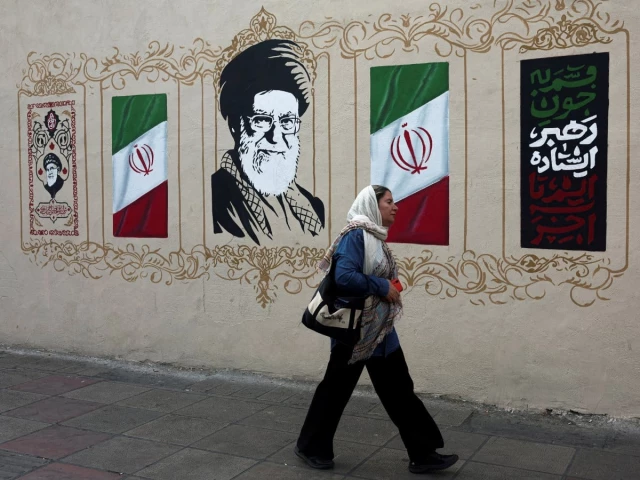
Iran war tensions continue as diplomatic efforts, military concerns and the Gulf shipping crisis deepen.
The Iranian government said diplomacy and defence would remain closely coordinated as it sought to protect the country’s national interests, security and territorial integrity.
In a statement carried by Iranian state media, the government pledged to stand firm against US sanctions and what it described as US-Israeli conspiracies.
Tehran said it would pursue diplomatic and defensive strategies simultaneously.
The government also outlined domestic priorities, including controlling inflation, creating jobs and supporting local production.
In addition, it said Iran would gradually seek to reduce its dependence on the US dollar.
Report raises concerns over US weapons stocks
Meanwhile, a Wall Street Journal report raised concerns about the impact of the conflict on US military stockpiles.
According to the report, the extensive use of advanced weapons during the Iran conflict has placed significant pressure on American munitions inventories.
Military planners reportedly fear that the strain could affect Washington’s ability to respond to potential threats in other regions.
The report said US European Command had adjusted some operational planning because of the pressure on military resources.
Officials also expressed concerns about the availability of key missile defence systems and interceptors.
Some officials described stocks of PAC-3 Patriot interceptors and ATACMS missiles in Europe as being at extremely low levels.
The report also said the movement of air defence systems from Japan, South Korea and Germany to the Middle East had created gaps in the wider US defence posture.
In addition, the redeployment of THAAD interceptors and counter-drone systems has reportedly reduced available supplies elsewhere.
However, the White House and Pentagon have rejected claims that the US faces a critical shortage of weapons.
The Trump administration has maintained that the US military has sufficient resources to meet its strategic requirements.
inDrive Courier Orders in Pakistan Show Food and Drink Leading Demand
400 ships remain stranded in Gulf
The maritime crisis has also continued to affect global trade and thousands of seafarers.
The International Maritime Organization said up to 400 ships carrying around 6,000 seafarers remain unable to safely leave the Gulf.
IMO Secretary-General Arsenio Dominguez described the situation in the Strait of Hormuz as unresolved.
The strategic waterway normally handles a significant share of global oil trade.
The UN maritime agency has verified at least 70 attacks on international shipping since the conflict began on February 28.
Those attacks have resulted in the deaths of 19 seafarers, according to the IMO.
Supply chains face growing pressure
The disruption has also affected major international supply chains.
Dominguez warned that problems involving the movement of fuel and fertiliser could have serious consequences for economies and communities around the world.
The situation has created particular uncertainty for thousands of seafarers who remain unable to leave the affected waters safely.
The IMO chief called for renewed political efforts from governments and the shipping industry.
He urged all sides to work towards restoring freedom of navigation through the Strait of Hormuz.
Diplomacy remains uncertain
The US and Iran signed a memorandum of understanding in June and began negotiations towards a broader agreement.
However, subsequent talks stalled amid disagreements over security guarantees and freedom of navigation through the Strait of Hormuz.
As a result, diplomatic efforts continue against the backdrop of economic pressure, military concerns and disruption to international shipping.
For now, Tehran has signalled that it intends to continue pursuing both diplomacy and defence while resisting external pressure.
The continuing conflict has also demonstrated how the crisis extends far beyond the battlefield.
It now affects global military planning, energy routes, international trade and thousands of civilian workers at sea.