Iran Says No Plan for US Talks as Ceasefire Nears Collapse Amid Rising Maritime Tensions
Web Desk April 20, 2026The fragile ceasefire between Iran and the United States is facing serious uncertainty as Tehran signals it is not ready for a second round of negotiations, while maritime tensions in the Strait of Hormuz continue to escalate and raise fears of renewed confrontation.
The fragile ceasefire between Iran and the United States is facing serious uncertainty as Tehran signals it is not ready for a second round of negotiations, while maritime tensions in the Strait of Hormuz continue to escalate and raise fears of renewed confrontation.
TCL Launches VoxIN Air Conditioners in Pakistan with Offline Voice Control and Extreme Heat Cooling
Iranian Foreign Ministry spokesperson Esmail Baghaei stated on Monday that there is currently “no plan” for further talks with Washington, accusing the United States of failing to engage seriously in diplomacy and violating ceasefire commitments through what Tehran described as “violent acts” and aggressive military behavior.
Baghaei said US proposals remain “unrealistic” and “unserious,” adding that Iran will not accept deadlines or ultimatums when it comes to safeguarding its national interests. He further reiterated that Tehran’s nuclear program and missile capabilities are non-negotiable and remain strictly within Iran’s sovereign decision-making.
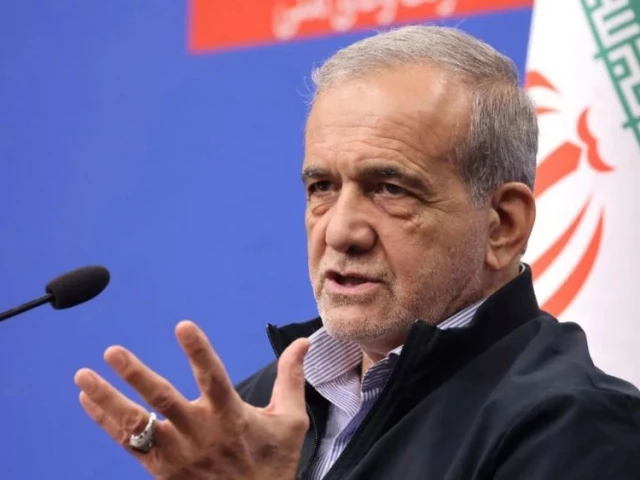
Iranian President Masoud Pezeshkian, while reiterating support for diplomatic solutions, warned that mistrust toward Washington has become unavoidable. He stressed that although Iran supports reducing tensions through rational and diplomatic means, recent developments have reinforced skepticism about US intentions.
The crisis intensified after US forces reportedly seized an Iranian-flagged cargo ship attempting to breach what Washington described as a blockade on Iranian maritime routes. The US military said the vessel was intercepted after a prolonged six-hour standoff before Marines boarded the ship.
President Donald Trump confirmed the operation, stating that US forces had taken “full custody” of the vessel and were inspecting its cargo. Iran, however, condemned the action as “armed piracy” and warned that it would respond at a time and manner of its choosing.
The confrontation has further inflamed tensions in the Strait of Hormuz, one of the world’s most critical oil transit chokepoints. Iran has tightened maritime controls in the area, while the United States continues to enforce restrictions on Iranian shipping, contributing to heightened instability in global energy markets.
The situation has already triggered volatility in oil prices and renewed concerns among global traders over potential disruptions to energy supply chains, as nearly one-fifth of the world’s petroleum passes through the strategic waterway.
China also expressed concern over the escalating tensions, urging all parties to exercise restraint and warning that the situation in the Strait is “sensitive and complicated.” Beijing called for continued dialogue and emphasized the need to maintain the ceasefire framework to prevent further escalation.
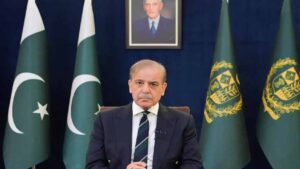
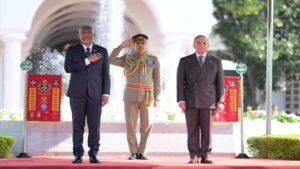
Diplomatic efforts led by Pakistan, which previously hosted initial rounds of US-Iran talks in Islamabad, now appear uncertain as no confirmation has been given regarding Iranian participation in the next round of negotiations. Earlier talks had ended without a breakthrough but were seen as a rare step toward engagement.
Meanwhile, Iran’s leadership has accused Washington of repeatedly shifting positions and undermining diplomatic trust. Officials reiterated that Iran will defend its national security “with all available capabilities,” warning against continued US pressure or military threats.
The broader regional situation remains tense, with analysts warning that continued escalation in maritime operations and diplomatic breakdowns could further destabilize global energy markets and deepen geopolitical divisions.
As the ceasefire deadline approaches, uncertainty continues to grow over whether diplomacy can be revived or whether the region is heading toward another cycle of confrontation.