Iran Rejects US Pressure, Signals Strategic Alignment with SCO as War Diplomacy Stalls
Web Desk April 28, 2026Iran has sharply pushed back against US pressure, with Deputy Defence Minister Reza Talaei-Nik declaring that Washington can no longer dictate policies to independent nations amid ongoing tensions over Tehran’s latest proposal to end the conflict.
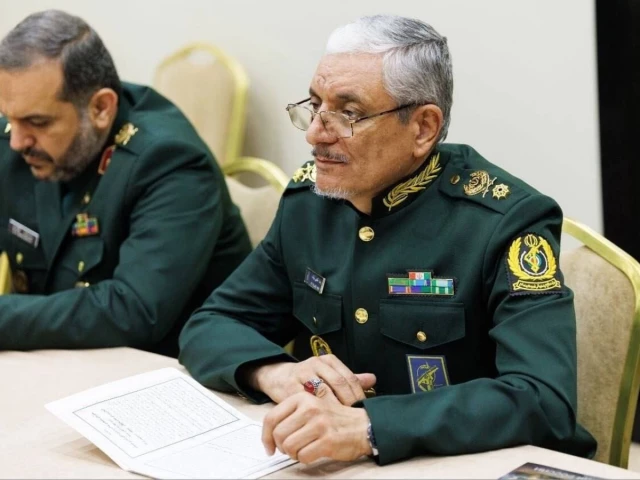
Iran has sharply pushed back against US pressure, with Deputy Defence Minister Reza Talaei-Nik declaring that Washington can no longer dictate policies to independent nations amid ongoing tensions over Tehran’s latest proposal to end the conflict.
Iran Praises Pakistan’s Diplomatic Role in Facilitating US Talks as Regional Diplomacy Intensifies
Speaking at a defence ministers’ meeting of the Shanghai Cooperation Organisation in Kyrgyzstan, Talaei-Nik said the United States must abandon what he described as “illegal and irrational demands.” He also indicated that Iran is prepared to share its defensive military expertise with allied and “independent” countries, particularly SCO member states.
“We are ready to share the experiences of America’s defeat,” he said, highlighting Tehran’s intent to deepen strategic cooperation with regional partners. Iranian officials have also recently engaged with defence representatives from Russia and Belarus, who reaffirmed their willingness to continue military and strategic collaboration.
Meanwhile, Russia has openly backed Iran’s position regarding control over the critical Strait of Hormuz. Russia’s UN ambassador Vassily Nebenzia stated that Iran has the right to regulate navigation in its territorial waters during wartime, accusing Western nations of hypocrisy and likening their actions to “piracy.”
The geopolitical standoff comes as diplomatic efforts to end the two-month conflict face mounting challenges. US President Donald Trump has reportedly rejected Iran’s latest proposal, which seeks to delay discussions on its nuclear programme until a ceasefire is reached and maritime disputes are resolved.
Washington insists that nuclear issues must be addressed at the outset of any negotiations, a key sticking point that continues to hinder progress. The White House has reiterated that it will not negotiate publicly and remains firm on its strategic red lines.
Iran’s proposal outlines a phased approach, beginning with an end to hostilities and guarantees against future military action. Subsequent steps would address the US naval blockade and the reopening of the Strait of Hormuz under Iranian oversight, before moving on to nuclear negotiations. Tehran continues to seek recognition of its right to enrich uranium for civilian purposes.
Diplomatic momentum has slowed further after the cancellation of a planned visit to Islamabad by US envoys Steve Witkoff and Jared Kushner. However, Iran’s Foreign Minister Abbas Araghchi has continued shuttle diplomacy, visiting Oman and Russia, where he met President Vladimir Putin.
The ongoing conflict has significantly disrupted global energy markets. Oil prices have continued to rise amid reduced shipping activity through the Strait of Hormuz, a vital artery for global crude supply. Shipping data indicates that several Iranian oil tankers have been turned back due to the US blockade, sharply limiting exports.
Before the conflict, up to 140 vessels passed through the strait daily. Recent data, however, shows a dramatic drop in traffic, with only a handful of ships transiting—and none carrying oil destined for global markets.
Iran has condemned US actions against its tankers as “legalised piracy,” further escalating rhetoric between the two sides. With both Washington and Tehran maintaining firm positions, prospects for a diplomatic breakthrough remain uncertain, prolonging regional instability and economic volatility.