Iran Rejects US Peace Plan, Insists War Will End Only on Its Terms
Web Desk March 25, 2026Iran has formally rejected a US proposal aimed at ending the ongoing conflict, asserting that any ceasefire will occur strictly on Tehran’s own terms and timeline, according to a senior political-security official.
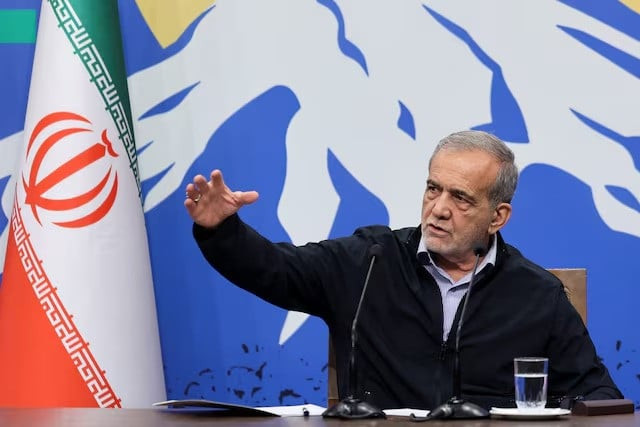
TEHRAN: Iran has formally rejected a US proposal aimed at ending the ongoing conflict, asserting that any ceasefire will occur strictly on Tehran’s own terms and timeline, according to a senior political-security official.
The 31st Sakinan-e-Shehr-e-Quaid International Mushaira for World Peace will be held on March 28
Speaking to state-run Press TV, the official confirmed that Iran responded negatively to the American initiative, emphasizing that the conclusion of what it described as an “imposed war” would depend solely on conditions set by the Islamic Republic.
The official outlined five key demands for ending the conflict, including an immediate halt to “aggression and assassinations,” alongside enforceable guarantees to prevent future hostilities. Tehran has also called for clearly defined war reparations, a comprehensive end to fighting across all regional fronts, and international recognition of its sovereignty over the strategic Strait of Hormuz.
According to reports, the United States has put forward a 15-point peace framework addressing Iran’s nuclear and ballistic missile programmes, as well as maritime security in the Gulf. The proposal was reportedly conveyed through Pakistan, with Islamabad and Turkey under consideration as potential venues for negotiations.
Despite these developments, Iranian officials have publicly denied that any talks are currently underway with the administration of Donald Trump, maintaining a firm stance against negotiations under present conditions.
The conflict, which escalated on February 28 following US and Israeli strikes that killed more than 1,300 people, including Iran’s Supreme Leader Ali Khamenei, has triggered widespread regional instability. Iran has since retaliated with drone and missile attacks targeting Israel and US-linked assets across the Middle East, disrupting global energy markets and aviation routes.
While diplomatic signals suggest backchannel efforts are ongoing, Tehran has reiterated that no negotiations will take place unless its conditions are fully accepted. Meanwhile, Washington has indicated continued engagement, even as it expands its military presence in the region.
Analysts say the gap between the two sides remains significant, with Iran’s firm preconditions posing a major obstacle to any immediate breakthrough in peace efforts.