United States and Iran Near Iran Peace Deal Amid Timeline Dispute
Web Desk June 14, 2026
US and Iran continue negotiations over a disputed peace deal timeline.
The Iran peace deal has reportedly moved closer to its first formal stage. However, confusion continues over when it will be signed. The United States and Iranian officials present conflicting timelines, which has increased global uncertainty.
The Iran peace deal matters because it could reshape regional security and global energy routes. It also involves major diplomatic players, including the United States and Iran, alongside mediators from Pakistan. According to reports, the agreement is expected to reduce hostilities, but timing disagreements remain unresolved.
Nestory Irankunda Makes World Cup History With Australia Breakthrough
United States Iran Timeline Dispute
The United States has suggested the Iran peace deal could be signed on Sunday. US President Donald Trump and mediators from Pakistan indicated a near-term signing plan.
However, Iranian officials reportedly rejected that timeline. Iran’s Ministry of Foreign Affairs stated that Sunday is not confirmed and no exact date has been finalized. This contradiction has created confusion in diplomatic messaging.
According to analysts, both sides appear aligned on framework discussions but not execution timing. The Iran peace deal therefore remains in a sensitive and uncertain phase.
Donald Trump Pakistan Mediation Role
Donald Trump has publicly stated that a signing is scheduled imminently. He also suggested that the Iran peace deal would be followed by immediate reopening of key maritime routes.
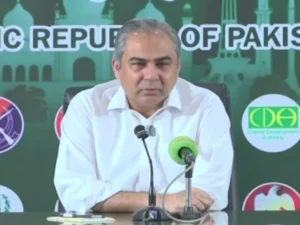
Pakistan’s leadership reportedly supported the idea of near-term finalization. Prime Minister Shehbaz Sharif indicated that the agreement could be completed within hours in electronic form.
Despite this optimism, no official joint ceremony has been confirmed. Observers note that communication gaps remain between Washington, Islamabad, and Tehran.
Iran Foreign Ministry Response Abbas Araghchi
Iran’s Foreign Minister Abbas Araghchi reportedly outlined the structure of the Iran peace deal. He said the memorandum includes multiple points focused on reducing hostilities and lifting restrictions.
Iranian officials also emphasized that the agreement process is still under review. A spokesperson for the Foreign Ministry stated clearly that the signing will not take place on Sunday.
However, Iranian authorities did not fully dismiss progress. They indicated that a signing could still occur in the coming days if final revisions are approved.
Strait of Hormuz Iran Peace Deal Impact
The Iran peace deal has major implications for the Strait of Hormuz, a critical global oil route. Donald Trump stated that the waterway could reopen fully once the agreement is signed.
The Strait has often been a strategic pressure point during regional tensions. Any shift in its status directly affects global energy markets and shipping stability.
CENTCOM reportedly claimed that drones were intercepted in the region during recent tensions. This highlights how fragile the situation remains even as diplomatic progress continues.
Benjamin Netanyahu Regional Reaction Tensions
The Iran peace deal has triggered mixed reactions in Israel and surrounding regions. Israeli Prime Minister Benjamin Netanyahu reportedly linked any agreement to nuclear-related concerns.
In Lebanon, reports of continued strikes have added to regional instability. Analysts suggest that ongoing conflicts could influence how the agreement is implemented.
Some Israeli commentators argue that a diplomatic deal could strengthen Iran’s regional position. Others believe it may help reduce immediate escalation risks if properly enforced.
For now, the Iran peace deal remains close but unresolved, with diplomacy and conflict running in parallel across the region.