ICMA Warns Petroleum Costs Are Driving Pakistan’s Inflation Outlook
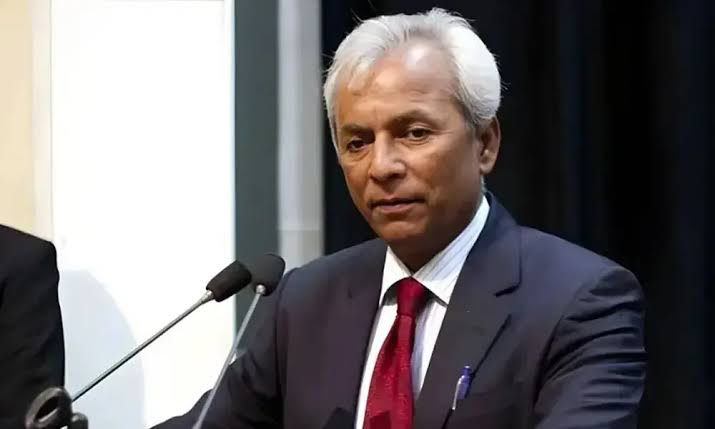
ICMA urges Pakistan to adopt more predictable fuel pricing as global oil volatility pushes petrol and diesel costs higher.
The Institute of Cost and Management Accountants of Pakistan (ICMA) has warned that petroleum costs and exchange-rate movements are emerging as key external factors shaping Pakistan’s inflation outlook.
The institute issued its Pre-Monetary Policy Outlook ahead of the State Bank of Pakistan’s Monetary Policy Committee meeting scheduled for September 14.
Pakistan’s policy rate currently stands at 11.5 percent. Meanwhile, national Consumer Price Index (CPI) inflation rose to 11.1 percent year-on-year in August 2026, up from 9.2 percent in July.
Core inflation also increased during the month. It reached 8.8 percent in urban areas and 8.5 percent in rural areas.
Petroleum Costs Show Delayed Inflation Impact
According to ICMA’s analysis, petroleum import movements have historically preceded changes in headline inflation by three to nine months.
The relationship was particularly visible during 2022 and 2023. Higher petroleum costs affected transportation, production and distribution expenses, eventually feeding into consumer prices.
Ateeq Ur Rehman Welcomes Push for Greater Lending to Agriculture, SMEs and Housing
Core inflation also showed similar delayed effects. ICMA said this raises concerns about second-round inflationary pressures across the wider economy.
Exchange Rate Also Influences Inflation
The report found that exchange-rate movements also preceded headline and core inflation during several important periods.
However, the relationship was not consistent throughout the period studied. Between July 2025 and January 2026, inflation moved ahead of exchange-rate changes instead.
ICMA said petroleum costs and rupee depreciation can combine to increase domestic energy costs. Therefore, both indicators remain important for monetary policy decisions.
ICMA Calls for Cautious Policy Approach
With headline inflation accelerating in August, ICMA recommended a cautious wait-and-see approach before further interest-rate cuts.
The institute said future rate reductions should depend on sustained moderation in both urban and rural core inflation. Exchange-rate stability and the absence of renewed petroleum-related cost pressures should also support any decision to ease monetary policy.
ICMA also urged policymakers to clearly distinguish temporary fuel-price shocks from persistent inflation that spreads into non-energy goods and services.
Greater Focus on External Risks
The institute called for clearer communication from policymakers to help markets understand temporary inflation spikes and longer-term inflation trends.
It also recommended publishing external-risk scenarios to guide market expectations. In addition, ICMA called for active management of exchange-rate volatility through adequate foreign-exchange buffers rather than efforts to defend a fixed rupee level.
“Pakistan’s inflation outlook in 2026 is being shaped more by petroleum-related pressures than by exchange-rate volatility,” the report said.
ICMA added that distinguishing temporary shocks from persistent underlying inflation remains crucial for maintaining policy credibility.
The institute said its Pre-Monetary Policy Outlook provides timely analysis for policymakers, financial markets and businesses as Pakistan navigates a changing inflation environment.