Exporters Fear Iranian Inspection Could Jeopardize Pakistan’s 2027 Mango Season
KARACHI, September 10, 2026: Pakistan’s mango exporters have expressed serious concern over the proposed visit of an Iranian inspection team at a time when the country’s mango season is virtually at its end and Iran’s mango trading season has effectively concluded.
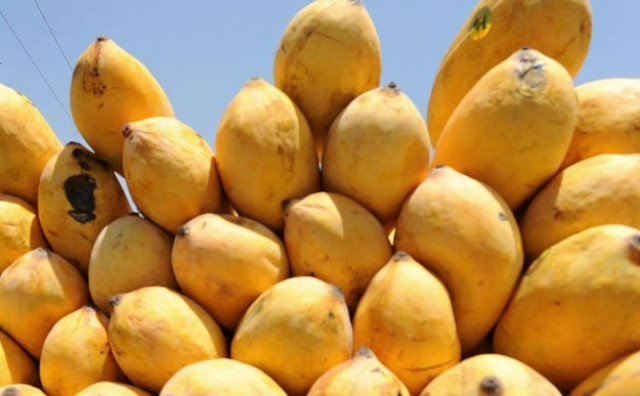
Pakistan mango exporters raise concerns over the proposed Iranian inspection
September 10, 2026: Pakistan’s mango exporters have expressed serious concern over the proposed visit of an Iranian inspection team at a time when the country’s mango season is virtually at its end and Iran’s mango trading season has effectively concluded.
The mango season is now coming to an end, while the HWT plants that operated under the Iranian programme have already closed or substantially wound down their commercial operations.
Exporters have questioned the timing of the proposed audit. They warn that an inspection at this stage could create serious and unintended consequences for Pakistan’s mango trade with Iran.
Concerns Over Late-Season Fruit Quality
According to exporters, mango quality can naturally deteriorate toward the end of the season due to extended storage, transportation, handling and climatic conditions.
Any quality concerns found in late-season fruit could therefore reflect the condition of the produce at the end of the commercial cycle. Exporters argue that such findings may not accurately reflect the technical performance or treatment efficacy of an approved HWT facility.
They fear that an Iranian audit at this stage could identify quality issues that may later be interpreted more broadly. Such findings could have implications for Pakistan’s future market access.
Risk to 2027 Mango Exports
In the worst-case scenario, exporters fear that the inspection could lead to a halt or serious disruption in mango trade with Iran.
They warn that this could jeopardize Pakistan’s entire 2027 export season to the Iranian market.
A disruption would affect more than growers and exporters. Packers, transporters, cold-chain operators and thousands of businesses linked to the mango export chain could also face losses.
U.S. Secretary of War Hegseth Attends First Space Academy Commission Meeting
Exporters Highlight Timing of HWT Inspection
The timing is particularly important because HWT facilities participating in the Iranian programme were operating during the active mango season.
An inspection during that period would have allowed Iranian authorities to assess the facilities under normal commercial conditions. Plants were then actively receiving, processing and dispatching mangoes for the Iranian market.
Exporters argue that such an assessment would have provided a more representative picture of HWT operations and treatment performance.
Iran Becomes More Important for Pakistan’s Mango Industry
The importance of the Iranian market has increased significantly in recent years.
Pakistan exported approximately 27,000 tonnes of mangoes in 2025. Exports have increased to around 37,000 tonnes this year despite the challenging geopolitical environment.
Exporters point out that the UAE remains an important destination. However, its market has limited capacity and is also facing logistical constraints.
As a result, Pakistani exporters say it would be difficult to compensate for the loss or restriction of another major market through the UAE alone.
Maintaining and expanding access to alternative major markets, particularly Iran, has therefore become increasingly important for Pakistan’s mango industry.
Exporters Urge Caution From Authorities
Exporters have urged the Ministry of National Food Security and Research and the Department of Plant Protection (DPP) to exercise extreme caution when assessing the timing of the proposed Iranian inspection.
They have called for a clear distinction between natural end-of-season fruit-quality issues and the technical performance, treatment efficacy and compliance of approved HWT facilities.
The export community believes an audit conducted at this stage could have consequences extending far beyond the current season.
Any adverse finding that results in restrictions on Pakistani mangoes could potentially disrupt the 2027 season before it even begins. It could also cause substantial financial losses for growers and exporters and undermine confidence built in the Iranian market.
Exporters therefore believe that protecting Pakistan’s long-term access to the Iranian market should remain a priority. They warn that an inspection at this stage could jeopardize Pakistan’s mango trade with Iran in 2027.