
Customs Moves to Cut Cargo Delays as KCCI Pushes for Faster Clearance at Karachi Terminals
New scanning facilities, stronger automation and clearer timelines are at the centre of efforts to reduce physical examinations and ease trade bottlenecks.
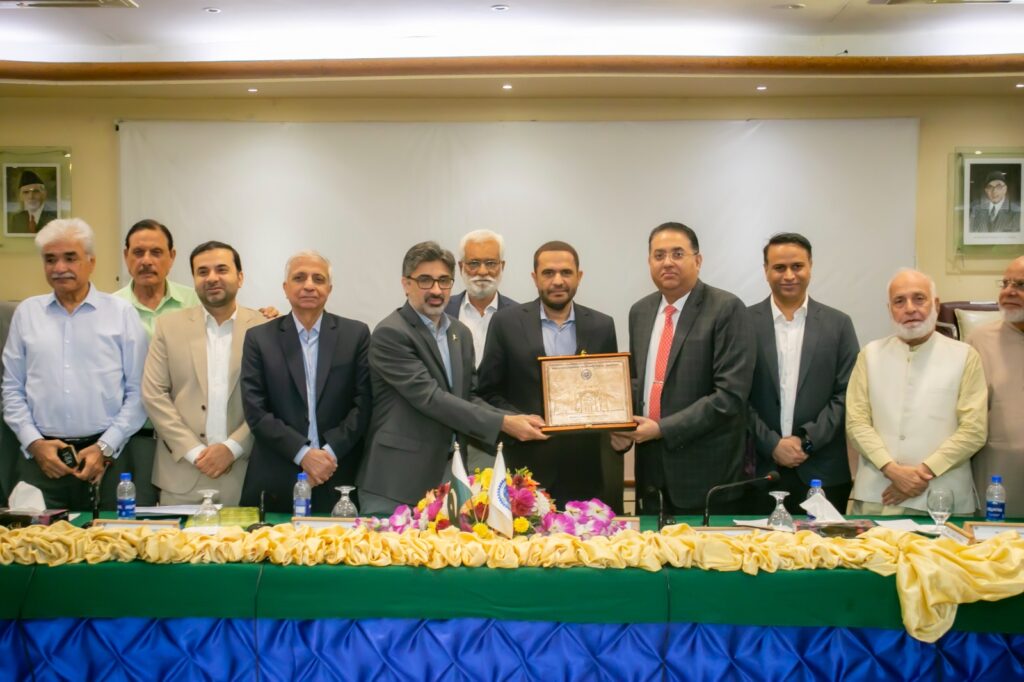
KCCI and Customs officials discuss faster cargo clearance and automation at Karachi’s terminals.
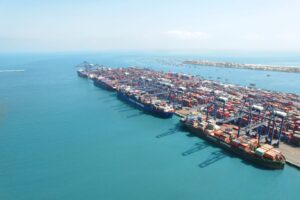
KARACHI: Customs authorities have assured Karachi’s business community that newly installed scanning facilities will help reduce physical cargo examinations and speed up clearance at the city’s terminals.
Chief Collector Customs Appraisement Wajid Ali gave the assurance during an interactive meeting at the Karachi Chamber of Commerce & Industry (KCCI) on Wednesday. He said Customs is working with the Federal Board of Revenue (FBR) to avoid unnecessary examinations where scanning technology can provide the required checks.
The move comes as businesses continue to seek faster cargo processing and fewer operational delays at Karachi’s major terminals. The Customs clearance process was among the key issues discussed during the meeting.
Wajid Ali said stronger coordination between Customs, terminal operators and the business community would remain essential for effective trade facilitation.
He also said Customs would strengthen risk-management systems to prevent cargo backlogs, particularly at Karachi International Container Terminal (KICT).
The Chief Collector said Customs would review operational arrangements with terminal operators and traders to improve cargo movement and clearance.
Customs seeks stronger automation
Wajid Ali stressed that direct engagement with businesses helps authorities understand problems that may not emerge during internal meetings.
TriFit and LuckyOne Mall Host Pakistan’s First Azadi Mallathon in Karachi
He said resolving genuine operational issues can benefit businesses while also improving clearance times, revenue collection and overall trade efficiency.
The Customs official also agreed that processes should have clear timelines and measurable performance standards.
He acknowledged that businesses often face strict statutory deadlines, while some Customs procedures do not always have corresponding timelines. He said the issue required consideration at the policy level.
Former KCCI President Zubair Motiwala also called for greater automation.
Joining the meeting through Zoom, Motiwala said automated duty calculations could reduce processing times, limit human error and give businesses greater certainty.
He also praised the Green Channel mechanism and urged Customs to expand technology-based facilitation for compliant businesses.
KCCI calls for fewer bottlenecks
KCCI President Rehan Hanif welcomed the Customs leadership’s engagement with the business community.
He recalled the recent KICT backlog and said Wajid Ali responded quickly after KCCI raised the matter. The Chief Collector convened a meeting with KICT and business representatives the following morning to discuss the issue.
Hanif said greater accessibility of senior Customs officials had helped businesses raise urgent concerns.
However, he urged Customs to increase the number of Additional Collectors of Customs (ADCs). He said a shortage of officers was increasing workloads and sometimes forcing businesses to approach senior officials for routine matters.
He also called for greater continuity when officers receive examination assignments. Once an examination is assigned, he suggested that the same officer should complete it where possible or ensure a proper handover.
Dispute resolution system under review
The Alternative Dispute Resolution mechanism also featured prominently in the discussions.
Wajid Ali said the relevant law had been amended and that a broader committee had been formed under the leadership of a retired judge. The committee includes representatives from Customs and the business community.
He said the mechanism should become fully operational to reduce litigation and resolve disputes more quickly.
Hanif also urged authorities to make the Alternative Dispute Resolution Committee fully functional and ensure adequate representation from both Customs and the business sector.
He further called for Classification Committee decisions to be uploaded online promptly. This, he said, would improve transparency and give businesses greater certainty.
Business community seeks resilient export options
Hanif also asked Customs to reconsider the discontinuation of small-vessel and launch operations for exports.
He argued that such vessels could provide an alternative during future regional disruptions affecting conventional maritime operations.
The meeting brought together senior KCCI officials and prominent representatives from the business community, including Senior Vice Presidents Muhammad Raza and Arif Lakhani, Customs & Valuation Subcommittee Chairman Junaid Mehmood and former KCCI presidents Zubair Motiwala, Tariq Yousuf, Shamim Ahmed Firpo and Iftikhar Ahmed Sheikh.
The discussions highlighted a shared objective: making cargo clearance faster and more predictable while maintaining effective revenue protection.