Bunker Condos: Canadian Crypto Entrepreneur Turns Cold War Nuclear Shelter Into Luxury Survival Residences
A former military bunker in Nova Scotia is being transformed into high-end, self-sufficient condominiums designed for disaster preparedness while promising new jobs and tourism for the local community.
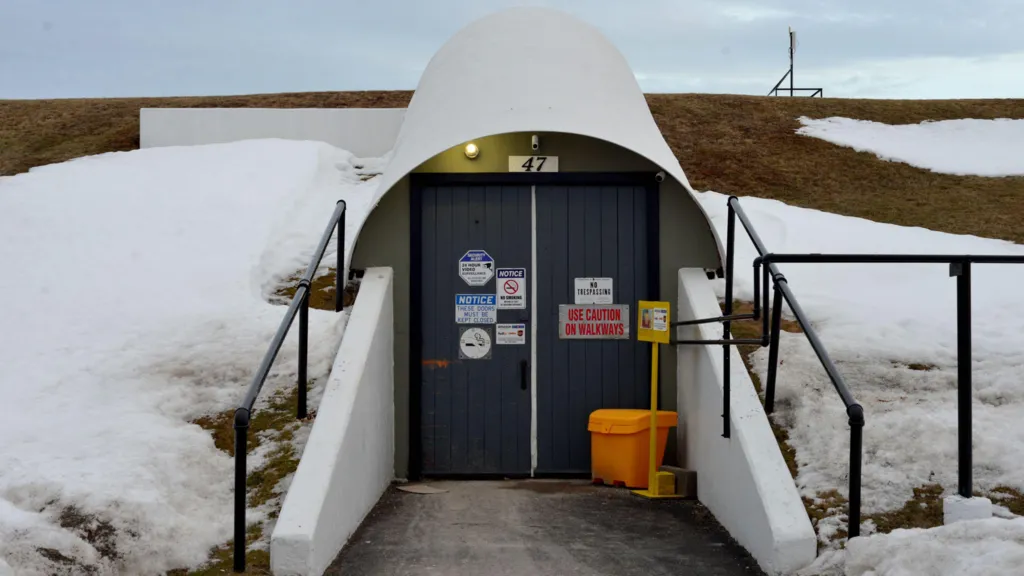
Luxury bunker redevelopment transforms a Cold War shelter in Nova Scotia.
Canada’s Bunker Condos project is set to transform a Cold War-era nuclear shelter in Nova Scotia into a luxury residential complex designed to withstand natural disasters and global emergencies. The ambitious redevelopment combines high-end living with advanced security, self-sufficient infrastructure, and modern hospitality services.
Located in Debert, around 113 kilometres north of Halifax, the 64,000-square-foot underground bunker once served as a military fallout shelter during the Cold War. Canadian cryptocurrency entrepreneur Jonathan Baha’i purchased the property in 2013 for C$31,300 and is now converting it into a 50-unit luxury condominium complex through his company, Fallout Complex Inc.
The development will feature gourmet dining supplied by self-sustaining food production, biometric security systems, 24-hour surveillance, on-site medical facilities, wellness amenities, a spa, yoga room, cigar lounge, and advanced lighting that replicates natural daylight. Owners with private aircraft will also have access to the nearby Debert Airport.
British Steel News: UK Government Nationalises Steelmaker to Secure Industry
Project co-owner Paul Mansfield said growing global uncertainty has increased demand for secure, resilient housing. He explained that many buyers now view such properties as an insurance policy against extreme events. The project has already sold 11 condominium units, although developers have not disclosed purchase prices or rental rates.
The company is partnering with German security firm Bespoke Home and Yacht Security to implement advanced protection measures, including drone perimeter surveillance. When owners are away, the residences will operate as luxury hotel suites, allowing investors to earn shared rental income.
Baha’i rejected the description of the project as a “doomsday bunker.” Instead, he described it as practical disaster preparedness. He pointed to Hurricane Fiona in 2022, when he opened the bunker to employees and their families, demonstrating its ability to operate independently with electricity, food supplies, and essential services during emergencies.
Beyond disaster resilience, Baha’i believes the redevelopment will boost Debert’s economy by attracting tourists, creating more than 40 hospitality jobs, and expanding a high-security data centre that will use energy-efficient technology.
The Debert bunker was originally built during the Cold War as one of several shelters commissioned under former Canadian Prime Minister John Diefenbaker. Designed to protect government personnel during a nuclear attack, the facility could accommodate 329 people for at least 30 days. It later served as an emergency warning centre before closing in 1996.
While supporters believe the redevelopment will revitalise the community, some residents and historians have expressed concern about losing public access to an important historical landmark. Annette Sharpe of the Debert Military Museum said the bunker represents a significant part of Canada’s military history and should remain accessible to future generations.
Local officials also questioned whether the luxury accommodation would benefit ordinary residents, citing expected room rates well above those of traditional hotels in Halifax. However, municipal leaders said they have not received significant public opposition, and local business owners hope the project will attract new visitors and stimulate economic activity.
Developers expect construction to finish early next year, positioning the former military shelter as one of North America’s most distinctive luxury resilience developments.