

Beating the Back to Work Blues After a Holiday: Simple Ways to Ease the Return
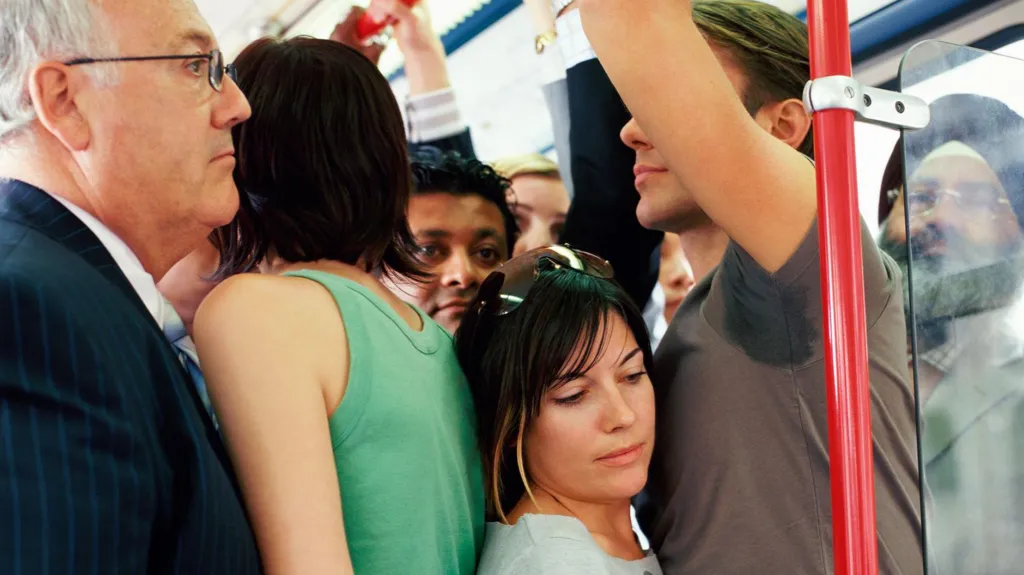
Experts offer practical advice for making the transition from a holiday back to work easier.
The alarm rings, the holiday is over, and work suddenly feels very close again. For many people, returning to an inbox full of unread emails can feel overwhelming after days of late nights and relaxed mornings.
The back to work blues often appear after a long break. Even people who enjoy their jobs can struggle with the sudden change in routine. The transition can feel even harder in September as summer ends and the days become shorter.
Experts say a few simple changes can make the first days back easier.
Start With Small Tasks
Many workers feel pressure to tackle their biggest problem immediately. However, careers coach Sarah Robinson recommends a different approach.
She advises people to start with small and manageable tasks. Completing a few quick jobs can create momentum and reduce feelings of stress.
A large inbox can make the first day back feel intimidating. Breaking work into smaller tasks can make the workload feel more manageable.
Counsellor Susan Carr also advises people to lower their expectations on their first day back where possible.
Instead of filling the day with meetings, workers could spend time sorting emails and planning their priorities.
US Strikes Iran Again as Trump Warns of a Far Stronger Response
Primary care leadership consultant Tara Humphrey suggests giving yourself more space on your first day back. She recommends keeping an out-of-office message active for longer when possible.
A clear automatic reply can also help people manage expectations. It can encourage colleagues or clients to follow up after you return.
Bring the Holiday Feeling Home
Experts also suggest keeping some positive parts of a holiday in everyday life.
Carr says people should think about what they enjoyed most while away. They can then look for simple ways to bring those activities into their normal routine.
For example, someone might cook food inspired by their trip. Others could spend more time outdoors or explore places close to home.
Carr also recommends becoming a tourist in your own city.
People often explore museums, architecture and local attractions when travelling. Yet they sometimes ignore interesting places close to home.
Psychotherapist Dr Joy Conlon recommends bringing home one relaxing habit from a holiday.
This could include taking an evening walk. It could mean eating without checking a phone. Reading before bed can also replace late-night screen time.
Small changes can help extend the positive effects of a holiday.
Think About Why You Feel Unhappy
Sometimes, returning to work feels difficult for a deeper reason.
Carr says people should consider how long their negative feelings continue after returning from a break.
A few difficult days may simply reflect the adjustment to normal life. However, strong feelings that continue for weeks could point to a larger problem.
Carr experienced this herself before changing careers. She worked as a solicitor before becoming a counsellor.
She says a holiday helped her recognise that stress at work had become a serious problem.
However, experts warn against making sudden career decisions immediately after a holiday.
Instead, people should take time to reflect. They can then consider whether changes to their role, workplace or career would improve their wellbeing.
Plan Your Next Break
Planning another holiday can also improve your mood.
Dr Mark Williamson, chief executive of Action for Happiness, says anticipation plays an important role in the benefits of a holiday.
Having something enjoyable to look forward to can lift people’s spirits after they return to work.
He also points to research suggesting that active holidays can support wellbeing.
Walking, cycling, swimming and exploring can leave travellers feeling refreshed.
The length of a holiday may also matter. Longer breaks can provide a bigger boost, but people may face more work when they return.
Shorter and more frequent breaks could offer another solution.
A five-day break may provide many of the same benefits as a longer holiday. Regular breaks can also give people more opportunities to relax throughout the year.
The return to work may never feel as enjoyable as the final day of a holiday. However, small steps can make the transition easier.
Starting slowly, protecting your time and keeping positive holiday habits can help make everyday life feel a little more balanced.