
Asim Munir Returns to Iran as Pakistan Pushes for US-Iran Dialogue
Pakistan is stepping up diplomatic efforts to ease tensions between Iran and the United States as peace talks remain stalled.
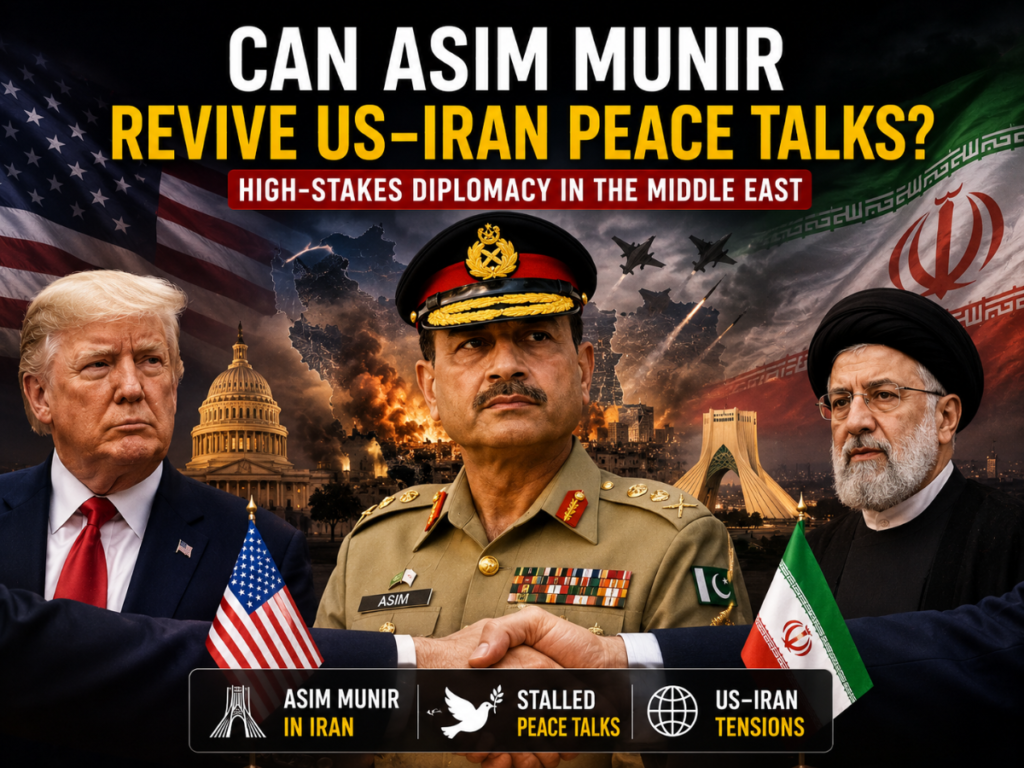
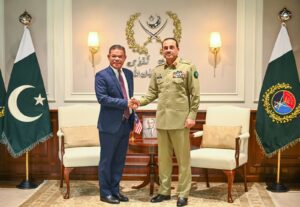
Field Marshal Asim Munir returns to Iran as Pakistan intensifies diplomatic efforts.
Pakistan’s army chief, Field Marshal Asim Munir, has returned to Iran as Islamabad intensifies efforts to facilitate dialogue between Tehran and Washington. The US-Iran talks remain uncertain, while Pakistan is attempting to use its relations with both countries to help reduce tensions and prevent a wider regional conflict.
Munir’s visit comes as Pakistan seeks to strengthen its role as a diplomatic channel between Iran and the United States. Islamabad has maintained that it wants to prevent another major confrontation in the region, particularly because any escalation could carry serious economic and security consequences for Pakistan.
Analysts, however, remain cautious about the prospects of a breakthrough. While Pakistan may help create an environment for negotiations, its ability to persuade either side to accept a final agreement remains limited.
Pakistan’s diplomatic role
Pakistan has positioned itself as a potential facilitator because it maintains relations with both Tehran and Washington. This gives Islamabad an opportunity to encourage communication without directly becoming a party to the dispute.
Political analyst Qamar Cheema said both Iran and the United States view Pakistan as a country that has previously helped facilitate dialogue. He suggested that this position could allow Islamabad to offer both sides a diplomatic “off-ramp” without appearing to favour either side.
The army chief’s return to Iran is therefore being closely watched for signs of progress in Pakistan’s mediation efforts.
Pakistan to Host South Asian Games in April 2027 After 23-Year Wait
Why Pakistan wants to avoid another conflict
A wider Iran-US confrontation could create significant economic and security challenges for Pakistan. Regional instability could disrupt Gulf trade routes, increase energy costs and place additional pressure on the country’s economy.
Pakistan also relies heavily on energy imports from the Gulf. Any disruption to shipping or supplies could affect fuel availability and prices.
Furthermore, a prolonged regional conflict could affect Pakistani workers in Gulf countries and potentially disrupt remittances, an important source of foreign exchange for the country.
Can Islamabad break the deadlock?
Pakistan can potentially help keep communication open, but it cannot force Tehran or Washington to compromise. Any agreement will ultimately depend on decisions taken by the two countries.
Javad Heiran-Nia, director of the Persian Gulf Studies Group in Tehran, said Pakistan’s mediation efforts were also driven by its own economic and security interests.
For Islamabad, the immediate objective appears to be preventing tensions from escalating into another major regional conflict while keeping diplomatic channels open.
Munir’s visit could therefore provide another opportunity for dialogue. However, a lasting breakthrough in the US-Iran talks will require political decisions from Tehran and Washington.
For now, Pakistan’s renewed diplomatic engagement highlights Islamabad’s attempt to play a constructive role in regional diplomacy and protect its own economic and security interests.