APVIA Seeks Probe into Barriers to Commercial Imports of Used Cars
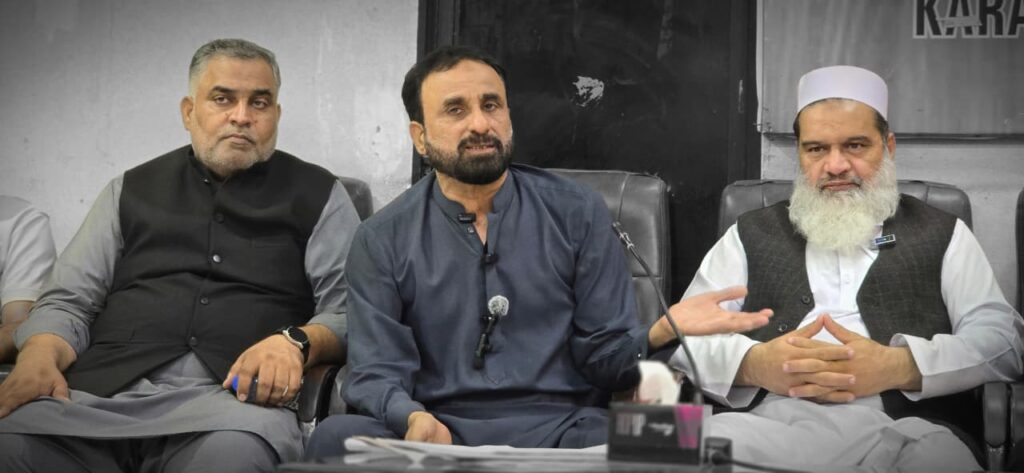
APVIA calls for an investigation into alleged regulatory barriers affecting used-car imports in Pakistan.
The All Pakistan Vehicle Importers and Dealers Association (APVIA) has called for an independent and transparent investigation into alleged regulatory barriers affecting the commercial import of used vehicles.
Association representatives made the demand at a press conference at the Karachi Press Club. They accused officials of the Ministry of Industries and Production and the Engineering Development Board (EDB) of imposing additional conditions despite government approval for commercial imports.
According to APVIA, the requirements have made it difficult for small businesses and individual importers to enter the market.
Importers Question Additional Requirements
The association said the government permitted the commercial import of used vehicles in 2025. The Economic Coordination Committee and the federal cabinet approved the policy, while the Ministry of Commerce issued the relevant framework through SRO 1895(I)/2025.
PIDE Sets Out Six-Point Roadmap to Unlock Pakistan’s Export Potential
However, APVIA alleged that the EDB subsequently introduced additional conditions in the name of vehicle quality and safety without cabinet approval.
These conditions reportedly included importer registration, a minimum paid-up capital of Rs500 million, at least 15 workshops and mandatory double inspections.
The association described these requirements as impractical for small businesses and individual importers. It also claimed that some registration criteria were withdrawn after it raised objections.
FBR and Science Ministry Concerns Cited
APVIA further claimed that the Federal Board of Revenue (FBR) raised questions in March 2026 about additional requirements and the higher costs caused by double inspections.


The association also said the Ministry of Science and Technology clarified the legal jurisdiction of the Pakistan Standards and Quality Control Authority regarding vehicle standards in April.
Citing these developments, APVIA called for investigators to determine who authorised the additional restrictions and whether officials exceeded their legal powers or attempted to restrict market competition.
The allegations have not been independently verified.
Association Highlights Employment and Business Impact
APVIA said more than 10,000 showrooms across Pakistan were associated with the used-vehicle sector. According to the association, the sector provides direct employment to approximately 300,000 to 350,000 people.
It warned that regulatory barriers could affect small businesses, importers and workers connected to the trade.
The association also expressed concern over tax incentives available to local vehicle manufacturers and the heavy taxes imposed on imported vehicles.
Calls for Fair Competition and Consumer Choice
APVIA urged the government to apply consistent safety, environmental and quality standards to both imported and locally manufactured vehicles.
It called for fair competition, genuine development of the domestic automotive industry and greater consumer choice.
The association said consumers should have access to safe, modern vehicles at reasonable prices. It also stressed that regulatory requirements should protect consumers without creating unnecessary barriers for smaller businesses.
APVIA reiterated its demand for an independent investigation into the decisions behind the disputed conditions and their impact on competition in Pakistan’s automotive market.