
Anthropic Wins Court Fight as Judge Rules Pentagon’s AI Ban Illegal
A US judge says the Defense Department cannot use national security claims to punish or retaliate against companies over their criticism of military AI use.
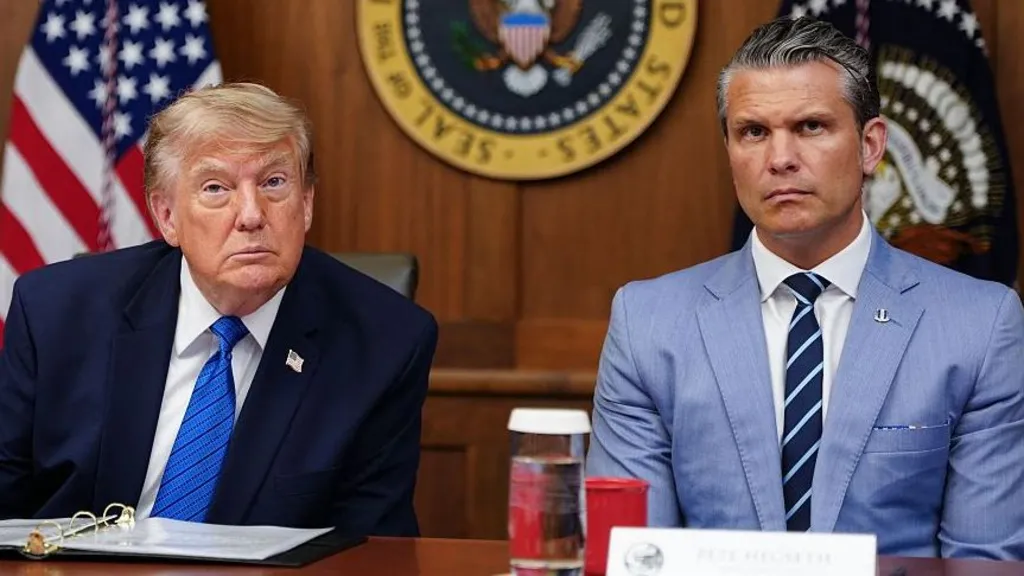
Anthropic wins a major legal challenge against the US Department of Defense over military AI use.
Anthropic lawsuit has ended with a major legal setback for the US Department of Defense after a federal judge ruled that the Pentagon acted unlawfully when it designated the artificial intelligence company as a supply chain risk.
US District Judge Rita Lin described the government’s action as “illegal and baseless”, rejecting the argument that national security concerns gave the Defense Department unlimited authority to punish the AI company.
The ruling followed Anthropic’s challenge to the decision by Defense Secretary Pete Hegseth to classify the company as a supply chain risk. Anthropic had argued that the designation went beyond the secretary’s legal authority and was linked to the company’s refusal to allow its AI systems to be used for certain military purposes.
Judge Lin said national security could not be treated as unlimited justification for government retaliation.
She wrote that national security “is not a blank check to punish and retaliate against government critics”.
The decision was welcomed by Anthropic, the developer of the Claude AI system. A company spokesperson said Anthropic remained committed to working with the US government on national security applications of artificial intelligence while seeking to ensure that the technology benefits Americans.
The BBC reported that it had contacted the Pentagon and the White House for comment.
Dispute over military use of AI
The legal dispute began after Anthropic resisted demands that would have allowed its technology to be used for purposes including surveillance and autonomous weapons.
The company argued that its AI models were not sufficiently reliable to be safely deployed in weapons systems. It also opposed the use of its technology for domestic surveillance, saying such applications could threaten constitutional rights.
The Pentagon took a different position, arguing that private technology companies should not be able to impose restrictions on military operations through their own terms of service.
The dispute escalated when the Defense Department designated Anthropic as a supply chain risk in February.
Such designations are generally associated with companies based in countries considered security threats to the United States. The move was particularly significant because Anthropic was the first publicly identified American company to receive such a designation.
Pims Fire: Health Minister Vows No One Will Be Spared as Reforms Demanded
Judge says government crossed the line
Anthropic argued that the government’s actions were unprecedented and unlawful and had damaged its business.
The company also claimed that the government had violated its First Amendment rights by targeting it over its position on military applications of AI.
Judge Lin had previously criticised the government’s approach during an earlier stage of the case. She said officials appeared to be attempting to “cripple” Anthropic and discourage wider public debate about the use of artificial intelligence by the military.
The judge described the government’s conduct as appearing to constitute “classic First Amendment retaliation”.
Her latest ruling reinforces that assessment, finding that the Defense Department could not use its national security authority as a means of retaliating against a company because of its policy positions.
White House and Pentagon had criticised Anthropic
The White House had previously taken a strong stance against Anthropic, describing the company as a “radical left, woke company” that was attempting to restrict military activity.
The administration argued that the US military was ultimately accountable to the Constitution rather than the terms imposed by an AI company.
The Pentagon also raised concerns about Anthropic’s refusal to accept revised contractual conditions, arguing that the company’s policies could limit how the government uses technology needed for national defence.
Anthropic maintained that its restrictions were intended to prevent potentially dangerous uses of AI rather than interfere with legitimate military operations.
The ruling now represents a significant legal challenge to the government’s approach to regulating and contracting with AI companies involved in national security.
It could also have wider implications for how technology firms negotiate restrictions on military applications of increasingly powerful artificial intelligence systems.