Kashmir Black Day Observed Worldwide as Pakistan Reaffirms Support for Kashmiri Self-Determination
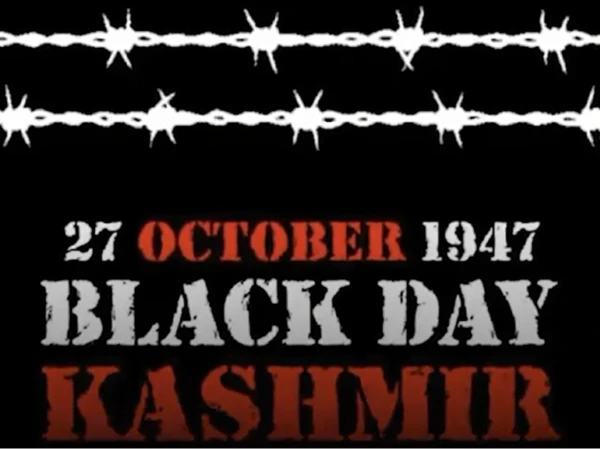
Kashmir Black Day: Pakistan’s leaders reaffirm support for Kashmiri self-determination.
Kashmiris in Pakistan, on both sides of the Line of Control (LoC), and around the world are observing Kashmir Black Day on October 27. The day commemorates the arrival of Indian troops in Srinagar on October 27, 1947, and highlights the Kashmir dispute and the Kashmiri people’s demand for self-determination.
The Ministry of Kashmir Affairs organised a special ceremony at D-Chowk in Islamabad. Participants observed one minute of silence after sirens sounded to mark the occasion.
Ishaq Dar Calls for Continued International Attention
Deputy Prime Minister and Foreign Minister Ishaq Dar addressed the ceremony and stressed the importance of raising the Kashmir issue internationally.
He said Pakistan observes Kashmir Black Day every year to draw global attention to the events of October 27, 1947. He added that Pakistan considers it a responsibility to continue raising the voices of the Kashmiri people.
Dar said Pakistan had highlighted the dispute across international forums, including the Organisation of Islamic Cooperation (OIC), which comprises 57 member states.
Business Leaders Discuss Pakistan’s Blue Economy at Networking Dinner
He criticised India’s August 5, 2019, actions in Jammu and Kashmir, saying they had further complicated the dispute. He also accused India of violating the United Nations Charter and called for continued international scrutiny.
According to Dar, Prime Minister Shehbaz Sharif has raised the Kashmir issue at various international forums, including the United Nations General Assembly and recent engagements in Shanghai.
He reaffirmed that Pakistan would continue providing political and diplomatic support to the people of Jammu and Kashmir. He also expressed confidence that Kashmiris would eventually secure their right to self-determination.
Amir Muqam Reaffirms Support for Kashmiris
Federal Minister for Kashmir Affairs and Gilgit-Baltistan Engineer Amir Muqam also addressed the gathering in Islamabad.
He described October 27, 1947, as a tragic day in Kashmir’s history and said the Kashmiri people had maintained their resolve despite decades of conflict and suffering.
Muqam referred to reported casualties and the hardships faced by families in the region. He said the Kashmiri people continued to seek their rights despite these challenges.
He also called for the restoration of their rights and expressed hope for a peaceful future for the region.
Protests and Rallies Mark Kashmir Black Day
October 27 marks the anniversary of the arrival of Indian troops in Srinagar in 1947. Kashmiris observe the day annually to draw international attention to the dispute and their demand for self-determination.
Protest demonstrations and shutdowns were announced in Indian-administered Jammu and Kashmir. Kashmiris living in different countries were also expected to organise rallies and other activities to register their protest.
Participants called for a resolution of the dispute in accordance with relevant United Nations resolutions and for the recognition of the Kashmiri people’s right to determine their political future.
In Muzaffarabad, a march was planned along Srinagar Highway towards the Line of Control. Participants were expected to demonstrate against India in Hattian Bala, located in the Jhelum Valley district.
Shehbaz Sharif Urges Peaceful Resolution
Prime Minister Shehbaz Sharif said Kashmir Black Day recalls a tragic chapter in Jammu and Kashmir’s history. He noted that Indian troops entered Srinagar 79 years ago, with consequences that continue to affect the region.
According to the prime minister, the Kashmiri people remain deprived of their right to self-determination, which Pakistan says is recognised in relevant United Nations Security Council resolutions.
Sharif said people in Indian-administered Jammu and Kashmir had endured severe hardship and restrictions. However, he added, their determination to secure their fundamental rights had not weakened.
He also expressed concern over the continued imprisonment of Kashmiri political leaders, activists and human rights defenders. He called for greater international attention to legal safeguards, fundamental freedoms and the human rights situation in the region.
The prime minister said India had introduced unilateral measures in Jammu and Kashmir since August 5, 2019. He argued that these measures had affected the region’s political, legal and demographic status and required serious international attention.
Sharif reaffirmed Pakistan’s position that the dispute should be resolved peacefully under international law and applicable UN Security Council resolutions.
He added that lasting peace and stability in South Asia would remain difficult without a just and peaceful settlement that reflects the relevant UN resolutions and the aspirations of the Kashmiri people.
On Kashmir Black Day, the prime minister reiterated Pakistan’s solidarity with the people of Indian-administered Jammu and Kashmir. He pledged continued moral, political and diplomatic support and promised to raise their concerns at national and international forums.
President Zardari Appeals to International Community
President Asif Ali Zardari also urged the international community, particularly the United Nations and international human rights organisations, to take serious notice of the human rights situation in Indian-administered Jammu and Kashmir.
He called for an effective international role in achieving a just, peaceful and lasting resolution of the dispute.
Zardari said October 27, 1947, marked the beginning of a painful chapter when Indian troops arrived in Srinagar. He described the anniversary as an opportunity to reaffirm support for the Kashmiri people’s long-standing aspirations and their right to self-determination.
Azad Kashmir Residents Express Solidarity
Residents of Azad Jammu and Kashmir also marked the day by expressing solidarity with Kashmiris across the Line of Control.
They said the struggle against India’s control of Indian-administered Kashmir continued. They called for the Kashmiri people to be allowed to decide their political future in accordance with relevant United Nations resolutions.
Residents also highlighted the historic ties between Pakistan and Kashmiris and reiterated their support for the Kashmiri people’s rights.
Through ceremonies, statements and planned demonstrations, Pakistan’s political leadership and residents renewed their calls for international attention to the dispute and a peaceful resolution that reflects the aspirations of the Kashmiri people.