

Brain-Eating Amoeba Cases Put Summer Swimming Risks Back in Focus
An eight-year-old Louisiana girl has died and a North Carolina teenager remains critically ill after rare infections linked to Naegleria fowleri.
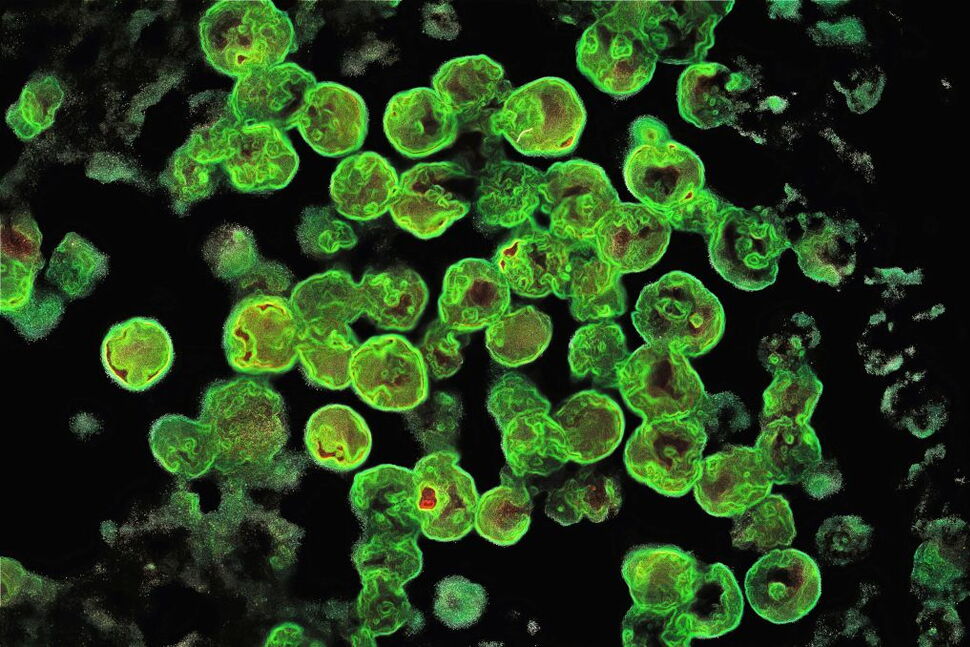
A rare brain infection linked to Naegleria fowleri has raised awareness of the risks associated with warm freshwater.
Washington, D.C. — A brain-eating amoeba infection has raised renewed health concerns in the United States after an eight-year-old Louisiana girl died and a teenager in North Carolina was reported to be in critical condition after contracting infections linked to Naegleria fowleri.
The organism is a rare, free-living amoeba that typically lives in soil and warm freshwater. According to the US Centers for Disease Control and Prevention (CDC), it generally does not cause illness, but it can lead to a devastating brain infection when contaminated water enters the body through the nose.
The infection is known as primary amebic meningoencephalitis, or PAM. It is extremely uncommon but is usually fatal, making awareness particularly important during the warmer months when people are more likely to swim in lakes, rivers and other freshwater environments.
How the infection reaches the brain
Naegleria fowleri is found naturally in warm freshwater and soil in several parts of the world. In lakes and other natural environments, the organism normally feeds on bacteria.
The danger arises when water containing the amoeba enters a person’s nose. From there, the organism can travel toward the brain and destroy brain tissue, causing severe inflammation and swelling.
Health authorities stress that PAM is not contracted by swallowing contaminated water. It also does not spread from one person to another.
Where can the amoeba be found?
Delay in Asma Mushtaq Body Repatriation Draws Condemnation From Rais Khan
Most infections are associated with exposure to warm freshwater during recreational activities, particularly in the summer.
The amoeba can occur in lakes, ponds, rivers, streams and hot springs. It has also been detected in certain warm-water environments, including inadequately chlorinated recreational facilities and some water systems.
The organism grows particularly well in warm temperatures, with optimal growth generally occurring between about 77 and 104 degrees Fahrenheit.
Naegleria fowleri can exist in three different life stages — cysts, trophozoites and flagellates — allowing it to adapt to changes in its surrounding environment.
How common is the infection?
Despite the alarming name, infections caused by Naegleria fowleri remain exceptionally rare.
The CDC has reported 167 laboratory-confirmed cases in the United States between 1962 and 2024. Only four people survived during that period, underscoring the severity of the infection once symptoms develop.
Worldwide reports have also remained limited. Historical data compiled through 2018 recorded 381 reported PAM cases, with the largest shares coming from the United States, Pakistan, Mexico, India and Australia.
The infection is most frequently associated with warm freshwater exposure, including activities such as swimming, diving and jumping into natural bodies of water. Children and young adults are among the groups most commonly affected.
What are the warning signs?
Symptoms generally begin between one and 12 days after exposure, according to the CDC.
Early symptoms can resemble other illnesses and may include:
- Headache
- Fever
- Nausea
- Vomiting
As the disease progresses, neurological symptoms can become increasingly severe. These may include:
- Stiff neck
- Confusion
- Hallucinations
- Difficulty paying attention
- Seizures
- Coma
- Death
The illness can progress rapidly, with death often occurring within days after symptoms begin.
Should swimmers be worried?
Health experts consider Naegleria fowleri infections extremely rare. The recent cases, however, highlight the importance of understanding how exposure occurs, particularly during periods of extreme heat.
People can reduce potential exposure by avoiding situations where warm freshwater is forced up the nose. Some public-health guidance also recommends using nose clips or holding the nose shut when jumping or diving into warm freshwater.
For people swimming in natural bodies of water, avoiding areas with particularly warm or stagnant water can also reduce potential exposure.
The key message is that the organism poses a very low overall risk to the public, but the consequences of infection can be severe. Awareness of the exposure route remains especially important during the summer swimming season.