
US Sanctions ICC President Tomoko Akane, Escalating Clash With The Hague
Washington targets two senior International Criminal Court officials as Japan and the Netherlands defend the court’s independence
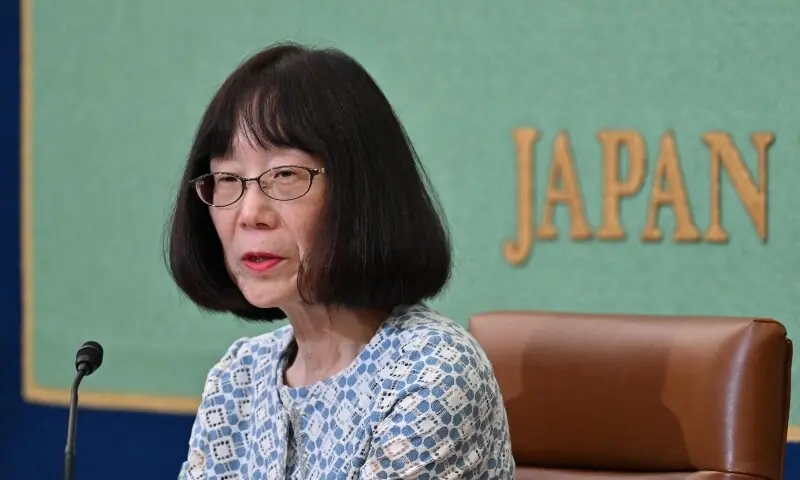
The United States sanctions ICC President Tomoko Akane amid a growing dispute over the court’s authority
The United States has imposed sanctions on International Criminal Court President Tomoko Akane of Japan and senior trial lawyer Abdoulaye Seye of Senegal, intensifying Washington’s confrontation with the Hague-based tribunal.
US Secretary of State Marco Rubio said the two officials had taken part in efforts to investigate, arrest, detain or prosecute officials whose governments had not accepted the court’s jurisdiction.
The ICC rejected the measures, warning that the sanctions threaten the international legal system and the independence of judges and prosecutors.
Washington steps up pressure on ICC
The new measures form part of President Donald Trump’s campaign against the court. Washington has accused the ICC of acting as a politically motivated institution that has exceeded its authority.
The ICC sanctions prevent targeted individuals from entering the United States and restrict transactions involving the US financial system.
The United States signed the Rome Statute, which created the ICC, but never ratified it. Israel, Russia and China also remain outside the court’s membership.
The ICC was established in 2002 to prosecute individuals accused of serious international crimes when national legal systems cannot adequately pursue accountability.
Netanyahu welcomes US action
The latest US sanctions come after the ICC investigated Israeli officials over the Gaza war.
In 2024, the court issued an arrest warrant for Israeli Prime Minister Benjamin Netanyahu. The move angered Israel and Washington.
Netanyahu welcomed Tuesday’s announcement and attacked the ICC, accusing it of abusing international law.
The US administration has repeatedly opposed the court’s investigations involving Israel and American interests.
ICC warns of threat to international law
The ICC said the sanctions undermine the rule of law.
The court warned that targeting judicial officials for carrying out their duties could threaten the broader international legal system.
Human rights organisations also criticised Washington’s decision.
Human Rights Watch said the sanctions could prevent victims of alleged war crimes from seeking justice through international institutions.
Four human rights groups recently sued Trump in a New York court over earlier sanctions against the ICC. They argued that the measures could interfere with efforts to pursue accountability for serious crimes.
Netherlands rejects sanctions
The Netherlands, which hosts the ICC in The Hague, also criticised Washington’s latest move.
Dutch Foreign Minister Tom Berendsen said his government disapproved of the sanctions against ICC officials and staff.
He stressed that international courts and tribunals must have the freedom to carry out their legal mandates.
The dispute places one of the world’s most important international justice institutions at the centre of an escalating diplomatic confrontation.
Russian case adds to Akane controversy
Akane has previously faced pressure from Russia.
In 2023, the ICC issued an arrest warrant for Russian President Vladimir Putin over alleged crimes linked to the war in Ukraine.
Moscow responded by issuing arrest warrants for senior ICC officials, including Akane.
She has served as an ICC judge since 2018 and became the court’s president in March 2024.
The latest US sanctions now add another major challenge to her leadership of the institution.
James Bond’s Karachi Restaurant Mystery Sparks Food Hunt
Japan protests sanctions against its citizen
Japan strongly objected to Washington’s decision against Akane.
Tokyo described the sanctions as “very unfortunate” and reaffirmed its support for the ICC.
Japanese Foreign Ministry spokesman Toshihiro Kitamura said Japan consistently supports the court’s efforts to prosecute the most serious crimes and uphold the rule of law.
Japan is also the ICC’s largest financial contributor and remains a close US ally.
The Japanese government had already expressed concern about Washington’s earlier actions against the court.
Growing divide over international justice
The dispute highlights a widening divide over the role of international courts and the limits of their jurisdiction.
Washington argues that the ICC cannot claim authority over officials from countries that have not accepted its jurisdiction.
The court and its supporters maintain that international accountability requires judicial independence and that political pressure should not prevent investigations into alleged war crimes.
With the US expanding sanctions and allies such as Japan and the Netherlands defending the ICC, the confrontation is likely to remain a major test for the future of international justice.